


Treatment of Acute and Chronic Spontaneous Urticaria

The manifestations associated with Urticaria These issues raise important clinical questions and require specialized guidance to avoid the risks of self-medication or unnecessary restrictions. When addressing the topic "Treatment of Acute and Chronic Spontaneous Urticaria"This educational guide brings together the practical knowledge of the medical team from the Brazil Without Allergies Project in order to clarify the triggering factors, the most accurate diagnostic tests, and the modern therapeutic strategies currently available.
✔ Medical and scientific content reviewed and validated. by the founding clinical staff of the Brazil Without Allergies Project
Dr. Marcello Bossois (CRM-RJ 52.73214-1) · Dr. Patricia Schlinkert (CRM/RJ 5274541-3) — more than 30 years of history in Allergy and Clinical Immunology, with units in Rio de Janeiro, São Paulo and Paraná. Last reviewed: November 2026.

Specialized Medical Explanation: Understanding the Clinical Picture
Allergy Care and Treatment: Brasil Sem Alergia has already treated more than 450,000 patients nationwide. Our medical team specializes in caring for patients with diseases such as urticaria, dermatitis, and symptoms like itching and redness. Our YouTube channel receives many questions about these diseases. Check out more information in the playlists below. Acute and Chronic Urticaria; Classification of Urticaria; How is urticaria diagnosed?
Treatment of Urticaria and Angioedema: In our free service units in Duque de Caxias, Nova Iguaçu, Realengo, Itaguaí - RJ, Iguaba Grande - RJ (Red Cross), Xerém Unit and Curitiba, but mainly in the Duque de Caxias unit, we receive many people seeking treatment for urticaria, dermatitis, furunculosis and boils, scabies, herpes, angioedema swelling, contact allergy to latex, candidiasis, and needing treatment for insect bite allergies.
We often provide free treatment for all these allergies and skin diseases. Allergic conditions are treated with specific vaccines for each of these pathologies that cause so much suffering, such as scabies, hives, dermatitis, furunculosis and boils, herpes, angioedema, contact allergy to latex, and even candidiasis, not to mention treatments for insect bites. Atopic dermatitis is the most common skin disease, especially in children.
It affects one in five babies, but only about one in fifty adults. In about half of patients with severe atopic dermatitis, the disease is due to the inheritance of a defective gene in the skin, which impairs the production of filaggrin. Unlike urticaria, the itching of dermatitis is not caused solely by histamine, so antihistamines may not control the symptoms. Allergic contact dermatitis occurs when the skin comes into direct contact with an allergen.
For example, if you are allergic to latex, you may develop red, rough, scaly, itchy, or swollen skin at the point of contact. Allergic contact dermatitis can be diagnosed and treated at one of our locations in Duque de Caxias, Nova Iguaçu, Realengo, Itaguaí - RJ, Iguaba Grande - RJ (Red Cross), and the Xerém Unit, but primarily in Duque de Caxias. You will find important information about atopic dermatitis treatment at the following link.
In this post, we will delve into the management of urticaria. Acute and Chronic Urticaria Urticaria is a skin inflammation characterized by reddish, swollen, raised welts that appear on the skin and cause intense itching. These welts can be found anywhere on the body, be small and isolated, or join together to form large reddish welts with varying patterns and shapes, always accompanied by itching.
Urticaria can appear in outbreaks, occurring at any time of day or night, lasting for hours and disappearing without leaving marks on the skin. The etymology of the word urticaria comes from the Latin word "urtiga," due to the lesions caused by contact with the plant, *Urtica dioica*, being similar to those of urticaria lesions. In urticaria, there may be a release of an inflammatory mediator called histamine, causing dilation of blood vessels, thus leading to hot, red, and raised lesions.
Classification of Urticaria Urticaria is initially classified into 2 types: - Acute urticaria, lasting less than 6 weeks, and chronic urticaria, lasting more than 6 weeks. The main causes of acute urticaria are infections (viral and bacterial), food poisoning, adverse drug reactions, allergic reactions to food, and stings from stinging insects (hymenoptera). Chronic urticaria is subdivided into 3 types: - Idiopathic Chronic Urticaria - Without a defined cause.
However, recently, the scientific community has been discussing some very promising hypotheses. For example, the concept of "estrogen pandemic," where this hormone, when in excess due to intrinsic hormonal dysfunctions or through the consumption of products containing estrogen-like substances, such as bisphenol A in plastic bottles, could bind to receptors for this hormone on the membrane of mast cells (cells that cause allergies), causing their rupture and the release of histamine, a potent vasodilator.
Blood diseases and paraneoplastic syndromes (cancers) can be included in this classification; - Chronic Induced Urticaria - Histamine release can occur through physical stimuli that rupture the mast cell membrane. For example, chronic induced urticaria can be triggered by vibration, pressure, touch, cold, heat (cholinergic), physical activity, etc.; - Chronic Spontaneous Urticaria - This can be subdivided into 3 types: - Allergic Chronic Spontaneous Urticaria - When there is an interaction of environmental and food allergens activating the cells that cause allergies, such as mast cells.
This interaction can occur through the production of IgE class antibodies, with the binding of bridges that rupture mast cells, or by the direct action of allergen proteases on these allergy-causing cells; - Chronic Spontaneous Auto-Allergic Urticaria - When your own immune system recognizes parts of your body as allergy triggers. In this type of urticaria, your body begins to produce IgE antibodies against itself, resulting in a large release of histamine from immune cells; - Chronic Spontaneous Autoimmune Urticaria - In this type of urticaria, there is an interaction of autoantibodies from rheumatological diseases, such as lupus, rheumatoid arthritis, urticarial vasculitis, Sjögren's disease, etc., in cells that release histamine, such as mast cells.
Hives are diagnosed and treated in our clinics in Duque de Caxias, Nova Iguaçu, Realengo, Itaguaí - RJ, Iguaba Grande - RJ (Red Cross) and Xerém. In Duque de Caxias we treat scabies, hives, dermatitis, furunculosis and boils, herpes, contact allergy to latex, candidiasis and insect bites. How is hives diagnosed? The best way to diagnose hives is, first of all, to classify it correctly, according to what has been explained above.
After a thorough collection of medical history, combined with a detailed clinical examination and complementary tests, the allergist will be able to better understand where your urticaria fits in and will draw up a strategic therapeutic plan for its control, according to its classification. Urticaria Treatment Urticaria can be treated in several ways, from indicating environmental and dietary control, using anti-allergic medications such as antihistamines, controlling autoimmune diseases, and more recently the use of monoclonal antibodies.
The most commonly used treatment for chronic spontaneous urticaria is omalizumab. This humanized monoclonal antibody works by inhibiting the action of the IgE antibody on high-affinity mast cell receptors, preventing the release of inflammatory mediators such as histamine. Angioedema Angioedema is swelling in the deeper layers of the skin. It is often observed along with urticaria. Angioedema occurs in soft tissues, such as the eyelids, mouth, or genitals.
Angioedema is termed "acute" if the condition lasts only a short period of time, such as minutes to hours. Acute angioedema is commonly caused by an allergic reaction to medications or foods. Chronic recurrent angioedema is when the condition returns after a long period of time. It usually does not have an identifiable cause. Angioedema can be with urticaria (caused by histamine) or without urticaria (caused by bradykinin).
When angioedema is present without urticaria, it is important to consider the possibility of diseases such as hereditary angioedema with functional or quantitative deficiency of C1 esterase inhibitor, acquired angioedema due to clinical conditions (cancer, lymphoproliferative diseases, autoimmune diseases, etc.) and angioedema due to coagulation factor 12 deficiency. Schedule your appointment RIO DE JANEIRO Phone: +55 (21) 4063-8720 WhatsApp: +55 21999545632 CURITIBA Phone: +55 (41) 3542-1838 FEATURED IN THE MEDIA In Brazil, 30% of the population has some type of allergy, according to the World Health Organization.
How should people undergoing treatment act? Patients with conditions such as rhinitis, bronchitis, and asthma may be more susceptible to contamination by viruses and bacteria that cause colds and flu, for example. Dr. Marcello Bossois, physician and technical coordinator of the Brazil Without Allergies program, explains that this happens because allergic patients produce what is called an adhesion protein.
"The inflamed environment of the patient's mucous membranes, which can be the nose, bronchi, and throat, produces adhesion proteins that act as a kind of hook for viruses and bacteria. The process is as follows: the patient breathes contaminated air, which, as it passes through the respiratory tract, brings the virus into contact with these proteins produced by the allergic person's body, causing the virus to penetrate the body more easily."
"This is why allergic patients often get sick quite frequently," explains the head of the Brazil Without Allergies Project. The role of preventative measures is becoming increasingly evident, and vaccination is one of them. Vaccines that protect the body from diseases such as influenza, H1N1, or even pneumococcus (which causes pneumonia) can currently alleviate and even help save lives.
Developments in Evidence-Based Medicine: Pathophysiology and Staged Management of Urticaria and Angioedema
In accordance with the international guideline EAACI/GA²LEN/EuroGuiDerm/APAAACI for the management of urticaria and angioedemaDegranulation of cutaneous mast cells with the release of histamine, platelet-activating factor (PAF), and cytokines promotes vasodilation, dermal plasma extravasation (fleeting pruritic papules/hives or submucosal/subcutaneous angioedema), and cell recruitment. To distinguish histaminergic angioedema from bradykinin-mediated angioedema (associated with C1-esterase inhibitor deficiency/dysfunction — C1-INH — or the use of ACE inhibitors), the presence of hives, the response to antihistamines, and the C4 and C1-INH levels are evaluated. First-line pharmacological treatment of chronic urticaria is based on non-sedating second-generation H1 antihistamines in standard doses, which can be increased up to four times the usual dose under medical prescription before the indication of anti-IgE immunobiological therapy.
Immune Reactions to Insect Bites and Prevention of Crises
Difference between Exaggerated Local Reaction, Strophulus, and Anaphylaxis
In allergological practice, distinguishing between local inflammatory edema and a systemic allergic reaction is crucial to protecting the patient's life. In mosquito hypersensitivity, a mixed immune response occurs (immediate mediated by IgE and delayed cellular response by T lymphocytes), causing a single bite to reactivate old lesions throughout the body. In reactions to bees and wasps, symptoms distant from the sting site—such as generalized plaques, hoarseness, bronchospasm, or a drop in blood pressure—characterize anaphylaxis and require immediate intervention.
Etiological Diagnosis and Specific Desensitization
In addition to physical barriers (protective screens, light-colored clothing, and age-appropriate repellents such as icaridin), long-term clinical control relies on... treatment for insect bite allergies allied to allergy vaccineAllergen-specific immunotherapy promotes progressive immune tolerance by stimulating IgG4 class blocking antibodies and drastically reducing both recurrent skin lesions and the risk of severe reactions upon re-exposure.
IgE-Mediated Allergy, Mixed Allergy, and Difference from Enzyme Intolerances
In contemporary allergology, it is essential to differentiate the immunological reaction against food proteins—such as casein, alpha-lactalbumin, and beta-lactoglobulin in cow's milk, ovomucoid in eggs, or tropomyosin in crustaceans—from non-immune digestive intolerances, such as lactase enzyme deficiency. While intolerance causes abdominal distension, flatulence, and osmotic diarrhea restricted to the digestive tract, food allergy involves Th2 lymphocytes and IgE antibodies or eosinophilic cellular inflammation, and can cause acute urticaria, angioedema, bronchospasm, proctocolitis, or anaphylaxis within minutes of ingesting trace amounts.
Epithelial Dysfunction, Skin Microbiome, and Delayed Sensitization
In eczematous dermatitis and cases of chronic pruritus, differentiating constitutional atopy from allergic contact dermatitis (a type IV delayed hypersensitivity reaction mediated by T lymphocytes sensitized to metals, cosmetic preservatives, fragrances, resins, or rubber) is essential. Repeated exposure to the sensitizing agent maintains active skin inflammation even with the use of anti-inflammatory ointments, requiring precise identification of the triggering factor.
Th1/Th17 Inflammatory Axis, Environmental Triggers, and Epidermal Barrier
Unlike purely IgE-mediated dermatoses, psoriasis and related autoimmune conditions involve the activation of plasmacytoid dendritic cells, interferon-gamma production, and sustained stimulation of the interleukin-23/interleukin-17 (IL-23/IL-17) and TNF-alpha axis. This signaling accelerates the epidermal keratinocyte renewal cycle several times over, resulting in well-defined erythematous-desquamative plaques and, in some patients, associated joint inflammation. Infections, mechanical or chemical trauma to the skin (Koebner phenomenon), dry winter weather, and emotional stress act as important amplifiers of the inflammatory response.
Mast Cell Activation, Histamine, and the Bradykinin Pathway
When isolated recurrent angioedema occurs without surrounding pruritic plaques, immunological reasoning must distinguish histaminergic conditions from those mediated by bradykinin—including hereditary or acquired angioedema due to functional or quantitative deficiency of C1-esterase inhibitor (C1-INH) and reactions induced by angiotensin-converting enzyme (ACE) inhibitor antihypertensive drugs. This differentiation is vital because bradykinin-related angioedema does not respond to conventional antihistamines or corticosteroids.
Lower Airway Hyperreactivity and the Role of Inhalation Therapy
Bronchial asthma and allergic bronchitis are chronic inflammatory diseases of the lower airways, characterized by bronchial hyperreactivity, mucosal edema, mucus hypersecretion, and variable obstruction to expiratory airflow. When eosinophilic or allergic inflammation (type 2) remains uncontrolled over the years—or when the patient uses only short-term bronchodilators without treating the underlying inflammation—thickening of the basement membrane and hypertrophy of the bronchial smooth muscle occur, a process known as bronchial remodeling.
Inflammation of the Respiratory Mucosa, House Mites, and Local Complications
Under the medical concept of a 'single airway', uncontrolled inflammation of the nasal cavities and paranasal sinuses directly impacts the ears (Eustachian tube dysfunction), eyes (rhinoconjunctivitis), sleep quality, and bronchi. In specific subgroups, such as Aspirin-Exacerbated Respiratory Disease (AERD), recurrent nasal polyposis, asthma, and intolerance to COX-1 inhibitor anti-inflammatory drugs are also present, requiring specialized diagnosis to restore the sense of smell and respiratory patency.
 Immunobiological therapy with anti-IgE monoclonal antibody (omalizumab) in chronic spontaneous urticaria
🎥 Supplementary Lesson on Urticaria and Dermatoses: Watch the educational video about the differential diagnosis of urticaria on the Brasil Sem Alergia channel. and also consult protocols of skin contact test.
Conclusion and Summary of Guidelines
It is concluded that the efficient management of issues related to Urticaria It relies on the combination of high-quality scientific information, environmental prevention, and therapy tailored to each patient's profile. In the face of persistent or recurring symptoms, seek evaluation with an allergist and immunologist—integrating thorough diagnostic investigation and established treatment options. allergy vaccine Whenever indicated — ensures clinical safety and long-lasting health protection.
Scientific references and institutional guidelines
The educational guidelines on this portal follow the clinical consensus of the leading medical societies of Allergy and Immunology:



 The Brazil Without Allergies Project consolidated its trajectory of care and social inclusion in 2007, when allergists and immunologists Dr. Marcello Bossois and Dr. Patrícia Schlinkert began volunteer work in Duque de Caxias, Rio de Janeiro, to assist the population affected by soot from the Reduc Refinery. What began as an emergency and temporary action became a permanent project of public utility, recognized by Municipal Law 3393 of 2024. With more than 700,000 consultations carried out, the project is now expanding its reach with the inauguration of a new unit in São Paulo, in the Campo Limpo neighborhood, in the southern part of the capital, reaffirming its commitment to bringing health to those who need it most. Through an initiative that complements the Brazilian Unified Health System (SUS), the "Brazil Without Allergies" program offers free allergy consultations and allergy testing to identify conditions such as rhinitis, asthma, bronchitis, atopic dermatitis, sinusitis, urticaria, food hypersensitivity, prurigo strophulus (insect bite allergy), otitis, and allergic conjunctivitis. The specialized care includes pediatric and adult allergists and offers allergy vaccines at affordable prices with the support of ABBAA. In addition to the new unit in Campo Limpo, the project is present in Rio de Janeiro in Duque de Caxias, Realengo, Nova Iguaçu (Red Cross building), Niterói, São Gonçalo, Maricá, Itaguaí, Xerém, and Iguaba, as well as Curitiba in Paraná, and also has national mobile units and initiatives in Africa and the United States. Prioritizing social inclusion, the project focuses on providing free care to those most in need. To schedule your appointment with an allergist and take your free allergy test, contact us by phone: Rio de Janeiro ☎️ +55 (21) 4063-8720, São Paulo ☎️ (11) 4210-1437, Curitiba ☎️ +55 (41) 3542-1838 or via WhatsApp 📲 +55 (21) 999545632, obtaining detailed locations and a link to the Campo Limpo map through the official website https://www.brasilsemalergia.com.br/.
 The Brazil Without Allergies Project consolidated its trajectory of care and social inclusion in 2007, when allergists and immunologists Dr. Marcello Bossois and Dr. Patrícia Schlinkert began volunteer work in Duque de Caxias, Rio de Janeiro, to assist the population affected by soot from the Reduc Refinery. What began as an emergency and temporary action became a permanent project of public utility, recognized by Municipal Law 3393 of March 25, 2024. With more than 700,000 consultations carried out, the project is now expanding its reach with the inauguration of a new unit in São Paulo, in the Campo Limpo neighborhood, in the southern part of the capital, reaffirming its commitment to bringing health and quality of life to those who need it most. Through an approach that complements the Brazilian Unified Health System (SUS) and international health systems, the "Brazil Without Allergies" project offers free allergy consultations and tests to identify pathologies such as rhinitis, asthma, bronchitis, atopic dermatitis, sinusitis, urticaria, food hypersensitivity, prurigo strophulus, otitis, and allergic conjunctivitis. The specialized care is provided by pediatric and adult allergists and offers allergy vaccines at affordable prices with the support of the Brazilian Beneficent Association for Allergy Support (ABBAA). In addition to the new unit in Campo Limpo, the project is present in Rio de Janeiro (Duque de Caxias, Realengo, Nova Iguaçu, Itaguaí, Xerém, Niterói, and Iguaba), as well as Curitiba in Paraná, and also has mobile units serving all of Brazil and international operations in Africa and the United States. Prioritizing social inclusion, the project encourages patients with health insurance plans to use their affiliated networks so that free and social care is focused on those who need it most. To schedule your appointment and take the free allergy test, patients can contact us by phone in Rio de Janeiro (21) 4063-8720, in São Paulo (11) 4210-1437, in Curitiba (41) 3542-1838 or via WhatsApp (21) 999545632, obtaining all the information and detailed locations through the official website brasilsemalergia.com.br
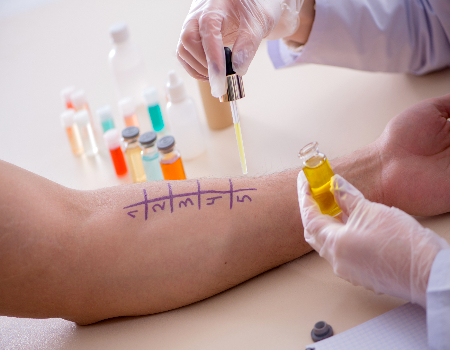 The Brazil Without Allergies Project consolidated its trajectory of care and social inclusion in 2007, when allergists and immunologists Dr. Marcello Bossois and Dr. Patrícia Schlinkert began volunteer work in Duque de Caxias, Rio de Janeiro, to assist the population affected by soot from the Reduc Refinery. What began as an emergency and temporary action became a permanent project of public utility, recognized by Municipal Law 3393 of 2024. With more than 700,000 consultations carried out, the project is now expanding its reach with the inauguration of a new unit in São Paulo, in the Campo Limpo neighborhood, in the southern part of the capital, reaffirming its commitment to bringing health to those who need it most. Through an approach that complements the SUS (Brazilian Public Health System), Brazil Without Allergies offers free and paid allergy testing consultations with allergists for various pathologies. We conduct tests to detect allergies that cause atopic dermatitis, asthma 🌬️, bronchitis 🫁, rhinitis, and prurigo strophulus (allergy to insect bites 🦟), including specific tests for dust, animal dander, food, and mosquitoes. Specialized care is provided by pediatric and adult allergists and offers allergy vaccines at affordable prices with the support of ABBAA. In addition to the new unit in Campo Limpo, the project is present in Rio de Janeiro in Duque de Caxias, Realengo, Nova Iguaçu (Red Cross building), Niterói, São Gonçalo, Maricá, Itaguaí, Xerém, and Iguaba, as well as Curitiba in Paraná, and also has national mobile units and outreach programs in Africa and the United States. Prioritizing social inclusion, the project focuses on providing free care to those who need it most. To schedule your appointment with an allergist and take your allergy test, contact us by phone: Rio de Janeiro ☎️ +55 (21) 4063-8720, São Paulo ☎️ (11) 4210-1437, Curitiba ☎️ +55 (41) 3542-1838 or via WhatsApp 📲 +55 (21) 999545632, obtaining detailed locations and the link to the Campo Limpo map through the official website https://www.brasilsemalergia.com.br/.
 Brazil Without Allergies' specialized care focuses on accurate diagnosis and accessible treatment of conditions such as atopic dermatitis, asthma 🌬️, bronchitis 🫁, rhinitis, and prurigo strophulus (allergy to insect bites 🦟). Our new unit in Campo Limpo, São Paulo, follows the network's standard of excellence, offering tests to detect allergies caused by dust, animal dander, and food. As a social inclusion project that complements the SUS (Brazilian Public Health System), we offer free and paid tests and treatments, relying on the fundamental support of ABBAA to make allergy vaccines available at affordable prices. We prioritize free care for those who need it most, encouraging patients with health insurance to use their own networks. Schedule your free allergy test 🆓 by contacting us at the following numbers: São Paulo ☎️ (11) 4210-1437, Rio de Janeiro ☎️ (21) 4063-8720 or Curitiba ☎️ (41) 3542-1838. You can also access the map of the new Campo Limpo unit or get more details on the institution's official website. Internationally recognized for its actions in Africa and the United States, the Brazil Without Allergies Social Project expands its health protection network with its arrival in Campo Limpo, in the South Zone of São Paulo. With a record of 700,000 consultations, our structure uses fixed clinics and mobile buses to bring allergist consultations and allergy tests to various regions, including Curitiba, Niterói, São Gonçalo, Maricá, Itaguaí and the Baixada Fluminense. We are a non-profit organization that seeks to democratize access to allergy vaccines and specialized treatments for sinusitis, otitis, and allergic conjunctivitis. Operating in accordance with ethical and legal standards, our medical team prioritizes social inclusion and overall well-being. To schedule appointments in São Paulo ☎️ (11) 4210-1437, Rio de Janeiro ☎️ (21) 4063-8720 or via WhatsApp 📲 (21) 999545632. Visit the website https://www.brasilsemalergia.com.br/ to find the unit nearest you and begin your treatment with a team that has been a leader in allergy health since 2007.
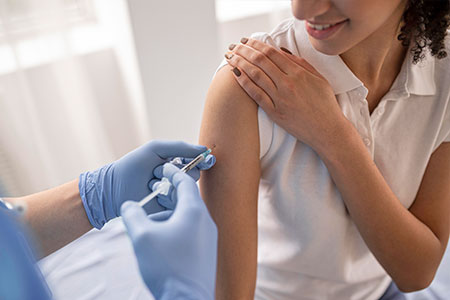 Protect Yourself with Vaccines at the Brazil Without Allergies Project! Vaccines are a safe and effective way to prevent diseases such as influenza, yellow fever 🟡, meningitis, pneumonia 🫁, and various allergies! The Brazil Without Allergies Project offers some free vaccines and medications through campaigns and sponsorships to help you have better health and quality of life. Our Locations — Rio de Janeiro: Duque de Caxias, Nova Iguaçu, Realengo, Itaguaí, Iguaba Grande (Red Cross) and Xerém. Paraná: Curitiba. 🩺 Our Services: We offer vaccines for Bronchitis 🫁, Rhinitis, Asthma, Atopic Dermatitis, and Candidiasis. Schedule your appointment! Phone RJ +55 (21) 4063-8720 and SP 11 4210-1437 ☎️WhatsApp: +55 (21) 999545632 Phone (Curitiba): +55 (41) 3542-1838 ☎️Find Our Locations Visit our website for complete addresses: https://www.brasilsemalergia.com.br/
 The Brazil Without Allergies Project 🇧🇷❤️ is the result of a journey of care and inclusion that began in 2007, when Dr. Marcello Bossois, an allergist and immunologist in Duque de Caxias, started volunteer work at a community association in the Baixada Fluminense region. What began as temporary support for local residents affected by the high incidence of allergies caused by soot from the region's refinery became a permanent project due to immense social demand. With the arrival of Dr. Patrícia Schlinkert, also an allergist in Duque de Caxias, the initiative strengthened, transforming into a public service organization that has already provided more than 700,000 consultations. Today, the project expands this legacy to São Paulo, with a new unit in the Campo Limpo neighborhood, in the southern part of the capital, reinforcing its mission to democratize access to healthcare. We offer specialized medical care and free 🆓 and paid allergy tests for conditions such as atopic dermatitis, asthma 🌬️, bronchitis 🫁, rhinitis, and prurigo strophulus (insect bite allergy 🦟). Complementing the work of the SUS (Brazilian Public Health System), Brasil Sem Alergia (Brazil Without Allergies) also offers allergy vaccines at affordable prices with the support of ABBAA (Brazilian Association of Allergy and Allergy). In addition to the new Campo Limpo unit, the project maintains units in Rio de Janeiro (Duque de Caxias, Nova Iguaçu, Realengo, Itaguaí, Xerém, Niterói, São Gonçalo, Maricá, and Iguaba Grande) and Paraná (Curitiba), as well as mobile units and international operations. To schedule your appointment with an allergist, contact us by phone: São Paulo ☎️ (11) 4210-1437, Rio de Janeiro ☎️ (21) 4063-8720, Curitiba ☎️ (41) 3542-1838 or via WhatsApp 📲 (21) 999545632. Check the detailed locations, including the Campo Limpo map, on the official website https://www.brasilsemalergia.com.br/.
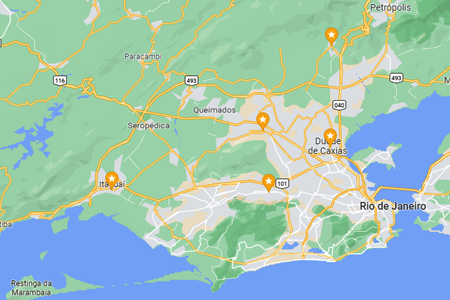 The Brazil Without Allergies Project consolidates its national presence and expands its reach with fixed units in Rio de Janeiro, Paraná, and now, in the capital of São Paulo, in the Campo Limpo neighborhood, South Zone. In addition to the physical clinics, the project has a strategic Mobile Unit that brings specialized medical care and free allergy tests to various cities, facilitating access to healthcare in remote regions. With over 700,000 consultations carried out since 2007 under the coordination of Dr. Marcello Bossois and Dr. Patrícia Schlinkert, the initiative complements the SUS (Brazilian Public Health System), offering support in the diagnosis and treatment of atopic dermatitis, asthma, bronchitis, rhinitis, and prurigo strophulus (allergy to insect bites). The new Campo Limpo unit in São Paulo reinforces this commitment, offering consultations with allergists and tests to identify allergic triggers. The project also provides allergy vaccines at affordable prices with the support of ABBAA, ensuring continuity of treatment. In Rio de Janeiro, fixed units serve Duque de Caxias, Nova Iguaçu (Red Cross), Realengo, Itaguaí, Iguaba Grande, Xerém, and Niterói, while in Paraná, service is provided in Curitiba. Prioritizing social inclusion, Brasil Sem Alergia focuses its efforts on those most in need, with international operations and mobile clinics. To schedule your appointment with an allergist and take your allergy test, contact us by phone: São Paulo ☎️ (11) 4210-1437, Rio de Janeiro ☎️ (21) 4063-8720, Curitiba ☎️ (41) 3542-1838 or via WhatsApp 📲 (21) 99545632. You can check the availability of the mobile unit in your region, see the map of the Campo Limpo unit and find all complete addresses on the official website https://www.brasilsemalergia.com.br/.
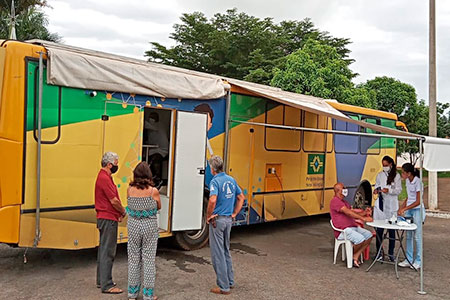 The Brazil Without Allergies Project reinforces its mission of social inclusion through its mobile and itinerant unit, which travels to various regions to bring health and well-being directly to your community. With the goal of democratizing access to specialized diagnosis, our mobile clinic offers consultations with an allergist and free allergy tests 🆓 to identify pathologies such as atopic dermatitis, asthma 🌬️, bronchitis 🫁, rhinitis, and prurigo strophulus (allergy to insect bites 🦟). This itinerant initiative complements the work of our fixed units located in Rio de Janeiro (Duque de Caxias, Nova Iguaçu, Realengo, Itaguaí, Iguaba Grande, Xerém and Niterói), Paraná (Curitiba), and our newest unit in São Paulo, in the Campo Limpo neighborhood, in the southern part of the capital. Working in a complementary way to the SUS (Brazilian Public Health System) and with the support of ABBAA (Brazilian Association of Allergy and Allergy), the project ensures that residents of more remote cities can also receive adequate treatment and allergy vaccines at affordable prices. To find out where our mobile unit is now, what the next destinations will be, or to schedule an appointment at the new Campo Limpo unit in São Paulo, contact us by phone: São Paulo ☎️ (11) 4210-1437, Rio de Janeiro ☎️ (21) 4063-8720 or via WhatsApp 📲 (21) 999545632. You can also check the map of the fixed Campo Limpo unit and get more information about the mobile unit's schedule on the official website https://www.brasilsemalergia.com.br/.