


Can an increase in IgE antibodies be a sign of HIV?
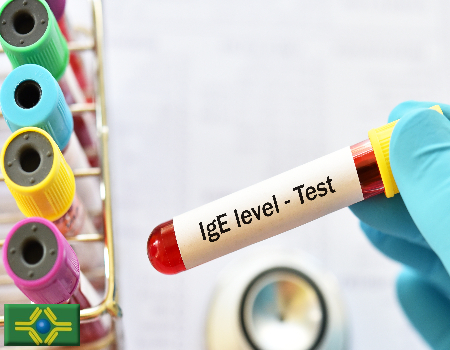
In the realm of allergic and immune-mediated diseases, the topic IgE It occupies a prominent position due to the frequency with which it impacts the daily well-being of children, adults, and the elderly. This publication was prepared with the purpose of fully elucidating the issue. "Can increased IgE antibody be a sign of HIV?", offering a structured overview from pathophysiology to diagnostic investigation and the safe prevention of new crises.
✔ Medical and scientific content reviewed and validated. by the founding clinical staff of the Brazil Without Allergies Project
Dr. Marcello Bossois (CRM-RJ 52.73214-1) · Dr. Patricia Schlinkert (CRM/RJ 5274541-3) — more than 30 years of history in Allergy and Clinical Immunology, with units in Rio de Janeiro, São Paulo and Paraná. Last reviewed: November 2026.

Complementary Audiovisual Content: Click here to watch the full explanatory video on the official Brasil Sem Alergia YouTube channel..
Could an increase in total IgE be an indication of HIV?
Immunoglobulin E (IgE) is an antibody widely known for its central role in allergic responses. However, it is common for patients to undergo routine blood tests and find high levels of total IgE, even without showing apparent allergic symptoms. It is essential to clarify that a high IgE result — whether total or specific — does not serve, in isolation, as an automatic indication of allergy treatment, the application of allergy vaccines or to label the patient as allergic. Laboratory interpretation always requires clinical correlation.
A frequent question that arises among patients, including abroad, concerns the possible relationship between increased IgE and HIV infection. In fact, in certain clinical contexts, very high levels of IgE (especially above 1,000 IU/mL) may function as a minor and subsidiary marker of immune system dysregulation, and may be present in conditions associated with HIV. However, it is a highly subjective marker with low specificity.
The major determining factor in medical assessment is not the number isolated in the laboratory test, but rather the clinical context presented by the patient. Diagnostic suspicion becomes relevant when a significant increase in IgE is accompanied by clinical signs suggestive of immunodeficiency, such as:
- Recurrent infections that persist or respond poorly to conventional treatments;
- Frequent fungal infections (such as recurrent candidiasis or extensive mycoses), which often occur when cellular immunity is compromised, especially involving CD4 and CD8 T lymphocytes.
Faced with a clinical picture compatible with immunodeficiency associated with an extremely high IgE, the doctor may consider the possibility of systemic immunological dysregulation and request screening tests for HIV, such as the ELISA test, to safely rule out or confirm the diagnosis and avoid any type of medical negligence. However, high IgE levels alone do not mean that a person has HIV.
This content is strictly educational and informative in nature, based on the guidelines of the Brazil Without Allergy Project. It does not under any circumstances replace consultation, detailed clinical evaluation and individualized guidance with a specialist doctor.
Developments in Evidence-Based Medicine: Vaccine Immunology and Allergen-Specific Immunotherapy
In Evidence-Based Medicine (WHO, EAACI and ASBAI), two complementary strategies for modulating the immune system are distinguished: (1) the preventive anti-infectious immunizing vaccines, which stimulate humoral (neutralizing IgG/IgA antibodies) and cellular (memory T lymphocytes) adaptive immunity against viral and bacterial pathogens; and (2) a Allergen-specific immunotherapy (allergy vaccines), the only treatment that modifies the natural history of IgE-mediated allergic diseases. The controlled and progressive administration of standardized allergenic extracts promotes an immunological shift from the Th2 to the Th1 profile, inducing the expansion of regulatory T lymphocytes (CD4)+CD25+FOXP3+) producers of IL-10 and TGF-β and stimulates the synthesis of IgG4 subclass blocking antibodies, thus sustainably reducing clinical hyper-reactivity and the need for symptomatic drugs.
Safe Immunization, Immune Response, and Protection of the Allergic Patient
Vaccine Mechanisms, Excipients, and Assessment of Immune Competence
In assessing the competence of the immune system—whether in recurrent infections, laboratory alterations in immunoglobulins (IgG, IgA, IgM, IgE), or in people living with HIV under monitoring of CD4 T lymphocyte counts—a careful distinction is made between the use of inactivated/subunit vaccines (widely safe even in immunocompromised individuals) and live attenuated vaccines, whose indication depends on the degree of preservation of cellular immunity. Furthermore, patients undergoing allergy immunotherapy can maintain their vaccination schedule, respecting only small operational intervals as directed by the medical team.
Integration between Vaccination Schedule, Allergy Tests and Baseline Monitoring
Individualized assessment by an allergist and immunologist correlates laboratory tests of cellular and humoral immunity with the patient's actual clinical history. Combining the allergy test well indicated for preventive monitoring — including allergy vaccine In cases of atopic dermatitis, and with immunostimulant vaccines when applicable, broad, safe protection based on scientific evidence is guaranteed.
Impact on Quality of Life, Sleep, and Systemic Well-being
In addition to direct physical manifestations, uncontrolled conditions linked to IgE profoundly interfere with the architecture of restful sleep, the ability to concentrate at school and work and emotional balance. Chronic stress, through neuroendocrine mediators and epithelial alarmins, feeds back the immune inflammatory response. In this way, instituting a comprehensive approach to clinical and environmental rehabilitation restores the individual's daily autonomy and global well-being.
Importance of Differential Diagnosis and Detailed Medical History
In the specialty of Allergy and Immunology, two patients with apparently similar symptoms involving IgE may present completely different pathophysiological mechanisms. For this reason, a detailed clinical history — investigating the chronology of crises, home and professional environment, family history of atopy, use of concomitant drugs and eating habits — serves as an indispensable compass to correctly interpret laboratory tests (such as total and specific IgE levels) and functional tests. An isolated laboratory result never replaces in-person clinical judgment or specialized telemedicine, preventing mistaken diagnoses and unnecessary treatments.
Environmental Prevention, Therapeutic Adherence, and Continuous Monitoring
Long-term success in managing allergic and immunological conditions depends directly on the alliance between targeted medical treatment and daily educational measures. Maintaining well-ventilated environments free from accumulated household dust, preserving the physiological hydration of mucous membranes and the skin barrier, strictly adhering to the schedules and technique for using prescribed preventive medications, and conducting periodic check-ups allow for the stabilization of subclinical inflammation before it progresses to acute exacerbations.
Conclusion and Summary of Guidelines
It is concluded that the efficient management of issues related to IgE It relies on the combination of high-quality scientific information, environmental prevention, and therapy tailored to each patient's profile. In the face of persistent or recurring symptoms, seek evaluation with an allergist and immunologist—integrating thorough diagnostic investigation and established treatment options. rhinitis treatment Whenever indicated — ensures clinical safety and long-lasting health protection.
Scientific references and institutional guidelines
The educational guidelines on this portal follow the clinical consensus of the leading medical societies of Allergy and Immunology:


