


Atopic Dermatitis — Thymic Stromal Lymphopoietin
When symptoms or doubts arise involving Atopic DermatitisDistinguishing between scientifically validated information and palliative care makes all the difference in the evolution of respiratory, skin, and systemic health. This page aims to deepen understanding of... "Atopic Dermatitis — Thymic Stromal Lymphopoietin", providing clear context on how the immune system reacts, which signs require medical attention, and how to structure individualized and effective care.
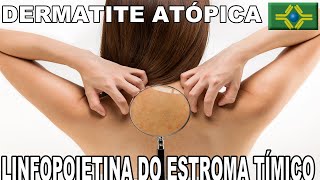
The Role of Thymic Stromal Lymphopoietin (TSLP) in Atopic Dermatitis
Understanding the molecular mechanisms involved in atopic dermatitis often reveals complex terms, but essential for understanding the disease. One of the main elements highlighted in current immunological research is thymic stromal lymphopoietin, known by the acronym TSLP. It is a biologically active substance that plays a fundamental role in the inflammatory cascade characteristic of this skin condition.
TSLP begins to be produced by epithelial cells — which cover the surface of the skin and organs — after suffering some type of aggression. In cases of atopic dermatitis, this production is intensified in the stages in which the patient presents epithelial lesions resulting from scratching, mechanical trauma or the action of pro-inflammatory substances and bacterial toxins present in the skin.
When released in large quantities, this protein acts directly on the innate immune system, which represents our first line of defense against infections. This activation further stimulates the inflammatory process, perpetuating the cycle of itching, irritation and worsening of skin lesions typical of atopic dermatitis.
Continuous advancement in allergy and immunology research points to exciting prospects in the development of targeted therapies. In the future, it is expected that treatments capable of specifically inhibiting the action of TSLP will be consolidated, offering new and more effective therapeutic alternatives for controlling atopic dermatitis.
Important note: This content is strictly educational and informative in nature and does not under any circumstances replace consultation, diagnosis and individualized medical monitoring with a specialist in Allergy and Immunology.
Developments in Evidence-Based Medicine: Pathophysiology and Staged Management of Urticaria and Angioedema
In accordance with the international guideline EAACI/GA²LEN/EuroGuiDerm/APAAACI for the management of urticaria and angioedemaDegranulation of cutaneous mast cells with the release of histamine, platelet-activating factor (PAF), and cytokines promotes vasodilation, dermal plasma extravasation (fleeting pruritic papules/hives or submucosal/subcutaneous angioedema), and cell recruitment. To distinguish histaminergic angioedema from bradykinin-mediated angioedema (associated with C1-esterase inhibitor deficiency/dysfunction — C1-INH — or the use of ACE inhibitors), the presence of hives, the response to antihistamines, and the C4 and C1-INH levels are evaluated. First-line pharmacological treatment of chronic urticaria is based on non-sedating second-generation H1 antihistamines in standard doses, which can be increased up to four times the usual dose under medical prescription before the indication of anti-IgE immunobiological therapy.
Skin Barrier Health, Immune Inflammation, and Pruritus Control
Epithelial Dysfunction, Skin Microbiome, and Delayed Sensitization
The skin acts as the first organ of immune defense in the human body. In atopic dermatitis, genetic alterations in structural proteins of the stratum corneum (such as filaggrin) and in the composition of ceramides cause transepidermal water loss, pronounced dryness, and facilitated entry of mites and aeroallergens. This microenvironment activates Th2 cytokines (especially IL-4, IL-13, and IL-31, directly linked to intense itching) and favors colonization by Staphylococcus aureus, whose superantigens perpetuate eczematous flare-ups.
Therapeutic Hydration, Skin Tests and Immunotherapy
Controlling the itch-scratch cycle requires ongoing management of subclinical inflammation through... atopic dermatitis treatment, topical corticosteroid-sparing immunomodulators and administration of allergy test appropriate to the lesion profile. When household allergens play a significant role in worsening skin conditions, the indication for allergy vaccine It works by reducing immune hyper-reactivity and significantly spacing out relapses.
Clinical Safety Criteria and Warning Signs in Allergology
Early recognition of warning signs requiring priority medical reassessment is part of the health education of every patient and their family. Symptoms such as progressive dyspnea (difficulty breathing or speaking in complete sentences), refractory wheezing, sudden edema of the lips, tongue, or glottis, dizziness due to a drop in blood pressure, persistent fever associated with skin lesions or mucous membrane involvement require immediate emergency care, followed by a structured allergy investigation to prevent future recurrences.
Conclusion and Summary of Guidelines
In summary, the appropriate approach to Atopic Dermatitis It requires a clear understanding of the immunological mechanisms involved, precise etiological diagnosis, and individualized medical follow-up. Avoiding self-medication and investigating the root cause of symptoms—relying on specialized resources and reliable guidance such as specialized allergy and immunology care when clinically relevant—is the safest way to control flare-ups, prevent complications, and ensure sustainable quality of life.
Scientific references and institutional guidelines
The educational guidelines on this portal follow the clinical consensus of the leading medical societies of Allergy and Immunology:


