


Fotossensibilidade e Reação Alérgica ao Sol em Pacientes com HIV: Entenda a Causa
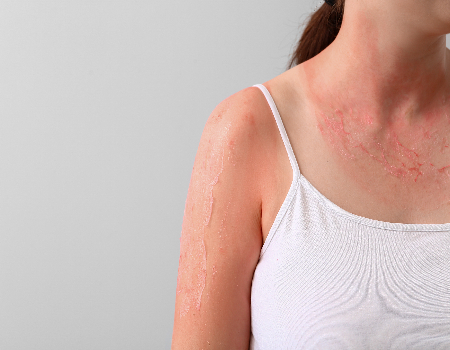
In the realm of allergic and immune-mediated diseases, the topic Fotossensibilidade e Reação Alérgica ao Sol It occupies a prominent position due to the frequency with which it impacts the daily well-being of children, adults, and the elderly. This publication was prepared with the purpose of fully elucidating the issue. "Fotossensibilidade e Reação Alérgica ao Sol em Pacientes com HIV: Entenda a Causa", offering a structured overview from pathophysiology to diagnostic investigation and the safe prevention of new crises.
✔ Medical and scientific content reviewed and validated. by the founding clinical staff of the Brazil Without Allergies Project
Dr. Marcello Bossois (CRM-RJ 52.73214-1) · Dr. Patricia Schlinkert (CRM/RJ 5274541-3) — more than 30 years of history in Allergy and Clinical Immunology, with units in Rio de Janeiro, São Paulo and Paraná. Last reviewed: November 2026.
Complementary Audiovisual Content: Click here to watch the full explanatory video on the official Brasil Sem Alergia YouTube channel..
Fotossensibilidade e Reação Alérgica ao Sol em Pacientes com HIV: Entenda a Causa
A relação entre a sensibilidade exagerada à luz solar e o diagnóstico de infecções virais é um tema de grande relevância na prática clínica. Pacientes com suspeita ou diagnóstico de HIV podem apresentar reações alérgicas ao sol com maior frequência. Esse quadro é clinicamente mais comum em populações de origem latina e em afrodescendentes, que apresentam maior propensão a desenvolver manifestações cutâneas anormais diante da radiação ultravioleta.
Quando o paciente passa a manifestar placas avermelhadas na pele após a exposição solar — um sintoma inédito em seu histórico —, é fundamental que o corpo clínico considere a investigação do HIV como parte do raciocínio diagnóstico diferencial. Essa alteração cutânea, conhecida como fotossensibilidade, pode ser um importante sinal de alerta emitido pelo organismo.
O mecanismo fisiopatológico por trás dessa ocorrência envolve a capacidade reduzida do organismo do paciente HIV positivo em processar e eliminar determinadas substâncias. A literatura médica aponta que indivíduos com HIV apresentam alterações metabólicas e imunológicas que interferem na metabolização de elementos químicos, conservantes, corantes e flavorizantes presentes na alimentação e no cotidiano. Como resultado, esses metabólitos permanecem circulando na corrente sanguínea por mais tempo.
Além disso, a resposta imunológica do organismo na tentativa de controlar a carga viral leva à produção aumentada de substâncias inflamatórias e interferons, que acabam por influenciar a capacidade hepática de desintoxicação e depuração de substâncias químicas. Quando o paciente se expõe aos raios ultravioletas do sol, esses metabólitos acumulados na pele sofrem fotoativação, desencadeando reações alérgicas e o surgimento das lesões avermelhadas.
Compreender a relação entre a fotossensibilidade de aparecimento espontâneo e a imunologia do HIV permite um diagnóstico mais precoce e assertivo. Destaca-se que este conteúdo possui caráter estritamente educativo e informativo, não substituindo em hipótese alguma a consulta, o diagnóstico e a avaliação individualizada realizada por um médico especialista.
Development in Evidence-Based Medicine: Bronchial Inflammation Control and Lung Function (GINA)
According to global guidelines of Global Initiative for Asthma (GINA), a bronchial asthma It is a chronic inflammatory disease of the airways characterized by bronchial hyperreactivity and variable obstruction to expiratory airflow, objectively documented by Spirometry (pulmonary function test with bronchodilator test)The fundamental therapeutic pillar consists of the continuous control of eosinophilic/Th2 inflammation of the bronchial mucosa through... inhaled corticosteroids (alone or in combination with long-acting beta-2 agonist bronchodilators — LABA, such as formoterol or salmeterol), using proper inhalation technique or a valved spacer. The isolated and repetitive use of short-acting bronchodilators (such as salbutamol or fenoterol) without inhaled anti-inflammatory coverage is associated with a higher risk of severe exacerbations and bronchial remodeling.
Safe Immunization, Immune Response, and Protection of the Allergic Patient
Vaccine Mechanisms, Excipients, and Assessment of Immune Competence
In assessing the competence of the immune system—whether in recurrent infections, laboratory alterations in immunoglobulins (IgG, IgA, IgM, IgE), or in people living with HIV under monitoring of CD4 T lymphocyte counts—a careful distinction is made between the use of inactivated/subunit vaccines (widely safe even in immunocompromised individuals) and live attenuated vaccines, whose indication depends on the degree of preservation of cellular immunity. Furthermore, patients undergoing allergy immunotherapy can maintain their vaccination schedule, respecting only small operational intervals as directed by the medical team.
Integration between Vaccination Schedule, Allergy Tests and Baseline Monitoring
Individualized assessment by an allergist and immunologist correlates laboratory tests of cellular and humoral immunity with the patient's actual clinical history. Combining the allergy test well indicated for preventive monitoring — including allergy vaccine In cases of atopic dermatitis, and with immunostimulant vaccines when applicable, broad, safe protection based on scientific evidence is guaranteed.
Epithelial Dysfunction, Skin Microbiome, and Delayed Sensitization
The skin acts as the first organ of immune defense in the human body. In atopic dermatitis, genetic alterations in structural proteins of the stratum corneum (such as filaggrin) and in the composition of ceramides cause transepidermal water loss, pronounced dryness, and facilitated entry of mites and aeroallergens. This microenvironment activates Th2 cytokines (especially IL-4, IL-13, and IL-31, directly linked to intense itching) and favors colonization by Staphylococcus aureus, whose superantigens perpetuate eczematous flare-ups.
Impact on Quality of Life, Sleep, and Systemic Well-being
Além das manifestações físicas diretas, quadros não controlados ligados a Fotossensibilidade e Reação Alérgica ao Sol interferem profundamente na arquitetura do sono reparador, na capacidade de concentração escolar e profissional e no equilíbrio emocional. O estresse crônico, por meio de mediadores neuroendócrinos e alarminas epiteliais, retroalimenta a resposta inflamatória imunitária. Dessa forma, instituir uma abordagem integral de reabilitação clínica e ambiental restaura a autonomia diária e o bem-estar global do indivíduo.
Conclusion and Summary of Guidelines
It is concluded that the efficient management of issues related to Fotossensibilidade e Reação Alérgica ao Sol It relies on the combination of high-quality scientific information, environmental prevention, and therapy tailored to each patient's profile. In the face of persistent or recurring symptoms, seek evaluation with an allergist and immunologist—integrating thorough diagnostic investigation and established treatment options. rhinitis treatment Whenever indicated — ensures clinical safety and long-lasting health protection.
Scientific references and institutional guidelines
The educational guidelines on this portal follow the clinical consensus of the leading medical societies of Allergy and Immunology:


