


Beta Thirty — Is it for Knee Injury? — Corticosteroids
The manifestations associated with Corticosteroid These issues raise important clinical questions and require specialized guidance to avoid the risks of self-medication or unnecessary restrictions. When addressing the topic "Beta Thirty — Is it for Knee Injury? — Corticosteroids"This educational guide brings together the practical knowledge of the medical team from the Brazil Without Allergies Project in order to clarify the triggering factors, the most accurate diagnostic tests, and the modern therapeutic strategies currently available.
✔ Medical and scientific content reviewed and validated. by the founding clinical staff of the Brazil Without Allergies Project
Dr. Marcello Bossois (CRM-RJ 52.73214-1) · Dr. Patricia Schlinkert (CRM/RJ 5274541-3) — more than 30 years of history in Allergy and Clinical Immunology, with units in Rio de Janeiro, São Paulo and Paraná. Last reviewed: November 2026.

Complementary Audiovisual Content: Click here to watch the full explanatory video on the official Brasil Sem Alergia YouTube channel..
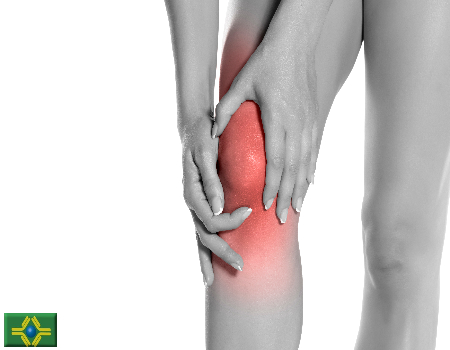
The use of Beta Trinta for joint pain and injuries, such as the knee
Beta Trinta is a corticosteroid-based medication with powerful anti-inflammatory action, often associated with the treatment of conditions that involve marked inflammation. When a patient suffers a contusion or joint injury resulting from playing sports, such as football, doubts may arise about the indication of this substance to relieve symptoms and recover the affected area.
This medication works as a depot corticosteroid, which means that its formulation allows a gradual and prolonged release in the body. This effect usually lasts between 15 and 17 days, varying according to each patient's metabolic response. Due to this ability to contain intense inflammatory processes, the medicine can be used to manage osteoarticular problems and bruises, provided there is strict medical indication and monitoring.
The route of administration chosen by the healthcare professional may vary depending on the assessment of the clinical condition. The medication can be applied through infiltration directly into the affected joint or intramuscularly, promoting a systemic effect on the body. It is essential to highlight that the choice of route and safety of use depend exclusively on an individualized medical assessment, considering the severity of the injury and the patient's health history.
This content is strictly educational and informative in nature and does not under any circumstances replace consultation, diagnosis and prescription from a specialist doctor.
Developments in Evidence-Based Medicine: Pharmacokinetics and Safety of Corticosteroids
The consolidated guidelines of Evidence-Based Medicine (GINA, ARIA, and Allergy and Endocrinology consensus) establish a strict distinction between the... topical/inhaled corticosteroids — which act locally on the respiratory or cutaneous mucosa with minimal systemic bioavailability and constitute the safe basis for chronic anti-inflammatory control — and the Systemic corticosteroids (oral or injectable depot corticosteroids, such as the combination of betamethasone dipropionate and disodium phosphate)Injectable depot formulations maintain prolonged release for weeks, promoting suppression of the hypothalamic-pituitary-adrenal axis (risk of secondary adrenal insufficiency), hyperglycemia, hypertension, fluid retention, bone demineralization, subcapsular cataracts, and immunosuppression, and should not be used as maintenance therapy for rhinitis, asthma, or urticaria.
Pharmacological Safety, Adverse Drug Reactions and Rational Use of Corticosteroids
Immediate Reactions, Delayed Drug Reactions, and Risks of Self-Medication
Another critical pharmacovigilance point concerns the indiscriminate use of long-acting oral or injectable systemic corticosteroids (such as intramuscular betamethasone combinations). Although they provide apparent rapid relief, repeated applications suppress the hypothalamic-pituitary-adrenal axis, raise blood pressure and blood glucose, demineralize bone mass, weaken immunity against infections, and can cause local neuropathic pain when improperly applied to the gluteal region.
Safe Investigation of Therapeutic Alternatives and Prevention
Any patient who presents a suspicious reaction after using medication must write down the exact active ingredient, the time interval until symptoms appear and never carry out re-exposure at home on their own. In a specialized consultation, the detailed pharmacological anamnesis, the allergy test (when applicable to the chemical group) and drug provocation tests in a controlled environment define safe therapeutic options, while basic allergic conditions should receive allergy vaccine corticosteroid-sparing etiology.
Conclusion and Summary of Guidelines
It is concluded that the efficient management of issues related to Corticosteroid It relies on the combination of high-quality scientific information, environmental prevention, and therapy tailored to each patient's profile. In the face of persistent or recurring symptoms, seek evaluation with an allergist and immunologist—integrating thorough diagnostic investigation and established treatment options. rhinitis treatment Whenever indicated — ensures clinical safety and long-lasting health protection.
Scientific references and institutional guidelines
The educational guidelines on this portal follow the clinical consensus of the leading medical societies of Allergy and Immunology:


