


Toda pessoa com HIV tem linfócitos atípicos?
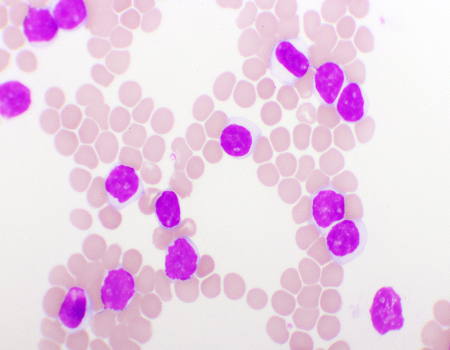
The manifestations associated with Toda pessoa com HIV tem linfócitos atípicos These issues raise important clinical questions and require specialized guidance to avoid the risks of self-medication or unnecessary restrictions. When addressing the topic "Toda pessoa com HIV tem linfócitos atípicos?"This educational guide brings together the practical knowledge of the medical team from the Brazil Without Allergies Project in order to clarify the triggering factors, the most accurate diagnostic tests, and the modern therapeutic strategies currently available.
✔ Medical and scientific content reviewed and validated. by the founding clinical staff of the Brazil Without Allergies Project
Dr. Marcello Bossois (CRM-RJ 52.73214-1) · Dr. Patricia Schlinkert (CRM/RJ 5274541-3) — more than 30 years of history in Allergy and Clinical Immunology, with units in Rio de Janeiro, São Paulo and Paraná. Last reviewed: November 2026.

Complementary Audiovisual Content: Click here to watch the full explanatory video on the official Brasil Sem Alergia YouTube channel..
Toda pessoa com HIV apresenta linfócitos atípicos?
A resposta para essa dúvida é não necessariamente. Nem toda pessoa que convive com o HIV apresenta linfócitos atípicos no sangue. O vírus da imunodeficiência humana atua de maneira específica sobre um grupo particular de células de defesa, os chamados linfócitos T CD4+, conhecidos popularmente como células helper ou auxiliares. Essas células desempenham um papel central na coordenação do sistema imunológico, orquestrando a resposta contra infecções oportunistas.
Em determinadas situações clínicas, quando ocorre uma redução acentuada na contagem de células CD4+, o organismo pode tentar compensar essa deficiência imunológica estimulando a produção de outros tipos celulares, como os linfócitos T CD8+. Durante esse processo de esforço compensatório, a medula óssea pode acabar liberando na corrente sanguínea células imaturas ou que apresentam alterações morfológicas, as quais são identificadas em exames laboratoriais como linfócitos atípicos. Vale destacar que tais alterações não são exclusivas do HIV, podendo surgir em diferentes quadros infecciosos.
Por outro lado, quando o paciente mantém o HIV devidamente controlado por meio do acompanhamento médico regular e da terapia antirretroviral adequada, o cenário imunológico é bastante diferente. Com a replicação viral suprimida e a carga viral controlada, os níveis de linfócitos T CD4+ tendem a se manter estáveis e dentro dos parâmetros normais. Essa estabilidade reduz drasticamente a sobrecarga sobre a medula óssea, tornando muito menos provável a detecção de linfócitos atípicos nos exames de sangue rotineiros.
Este conteúdo possui caráter estritamente educativo e informativo, não substituindo em hipótese alguma a consulta, o diagnóstico e o acompanhamento médico individualizado com um especialista.
Developments in Evidence-Based Medicine: Pathophysiological Correlation and Clinical Management
Under the principles of Evidence-Based Medicine (EBM) In the context of Allergy and Clinical Immunology, the interpretation of respiratory, cutaneous, gastrointestinal, or systemic signs and symptoms requires rigorous correlation between the... detailed clinical history (phenotype) and the underlying immunological mechanisms (endotype — mediated by IgE, T lymphocytes, immune complexes, or innate immunity pathways). Targeted diagnostic investigation — using standardized skin tests, specific laboratory assays, and functional tests — allows for precise differential diagnosis, avoidance of self-medication, and the establishment of an individualized therapeutic plan aimed at sustained control of inflammation and preservation of the patient's quality of life.
Safe Immunization, Immune Response, and Protection of the Allergic Patient
Vaccine Mechanisms, Excipients, and Assessment of Immune Competence
In assessing the competence of the immune system—whether in recurrent infections, laboratory alterations in immunoglobulins (IgG, IgA, IgM, IgE), or in people living with HIV under monitoring of CD4 T lymphocyte counts—a careful distinction is made between the use of inactivated/subunit vaccines (widely safe even in immunocompromised individuals) and live attenuated vaccines, whose indication depends on the degree of preservation of cellular immunity. Furthermore, patients undergoing allergy immunotherapy can maintain their vaccination schedule, respecting only small operational intervals as directed by the medical team.
Integration between Vaccination Schedule, Allergy Tests and Baseline Monitoring
Maintaining a controlled respiratory or immunological disease enhances the mucosal defense against seasonal viruses and enveloped bacteria. In case of doubt about the reaction history, the allergy test Specific information regarding excipients or associated allergens provides complete peace of mind before immunization, whereas continued use of the product is not recommended. allergy vaccine It preserves the immune system's balance throughout all seasons.
Conclusion and Summary of Guidelines
It is concluded that the efficient management of issues related to Toda pessoa com HIV tem linfócitos atípicos It relies on the combination of high-quality scientific information, environmental prevention, and therapy tailored to each patient's profile. In the face of persistent or recurring symptoms, seek evaluation with an allergist and immunologist—integrating thorough diagnostic investigation and established treatment options. rhinitis treatment Whenever indicated — ensures clinical safety and long-lasting health protection.
Scientific references and institutional guidelines
The educational guidelines on this portal follow the clinical consensus of the leading medical societies of Allergy and Immunology:


