


Tenho 59 anos, estou resfriada é trato Diabetes posso tomar a vacina? — Estou no grupo de risco?
When symptoms or doubts arise involving Tenho 59 anos, estou resfriada é tratoDistinguishing between scientifically validated information and palliative care makes all the difference in the evolution of respiratory, skin, and systemic health. This page aims to deepen understanding of... "Tenho 59 anos, estou resfriada é trato Diabetes posso tomar a vacina? — Estou no grupo de risco?", providing clear context on how the immune system reacts, which signs require medical attention, and how to structure individualized and effective care.
Complementary Audiovisual Content: Click here to watch the full explanatory video on the official Brasil Sem Alergia YouTube channel..
✔ Medical content reviewed and validated by the founding clinical staff of the Brazil Without Allergies Project
Dr. Marcello Bossois (CRM-RJ 52.73214-1) · Dr. Patricia Schlinkert (CRM/RJ 5274541-3) — more than 30 years of history in Allergy and Immunology, with units in Rio de Janeiro, São Paulo and Paraná. Last reviewed: November 2026.
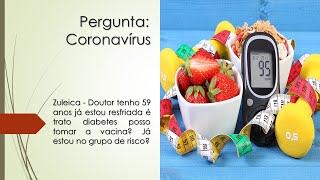
Vacinação e Diabetes: Importância da Imunização e Cuidados Essenciais
A dúvida sobre a segurança e a necessidade da vacinação em pacientes que convivem com diabetes e apresentam sintomas de resfriado é muito comum. Indivíduos diagnosticados com diabetes compõem os grupos de risco para diversas infecções respiratórias, incluindo o coronavírus e outras patologias sazonais. Essa vulnerabilidade ocorre porque as alterações metabólicas associadas à condição podem influenciar a resposta do sistema imunológico, tornando o organismo mais suscetível a complicações decorrentes de infecções.
Além do diabetes, outras condições clínicas também integram os grupos que demandam atenção redobrada com a imunização, tais como doenças cardiovasculares, doenças renais, uso de imunossupressores e imunodeficiências. Nesses cenários, seguir rigorosamente o calendário de vacinação preconizado para a faixa etária e para a condição clínica específica é uma medida fundamental de prevenção e proteção à saúde.
Vacinas essenciais para pacientes no grupo de risco
- Vacina contra a gripe (Influenza): Essencial para a prevenção das formas graves da infecção viral sazonal.
- Vacinas pneumocócicas (Pneumo 13-valente e Pneumo 23-valente): Importantes na prevenção de infecções bacterianas graves, como pneumonias e meningites.
- Vacina contra Haemophilus influenzae tipo b: Fundamental para a proteção respiratória.
- Tríplice bacteriana acelular (DTPa): Protege contra difteria, tétano e coqueluche.
Diante de um quadro de resfriado leve, a recomendação geral é aguardar a resolução dos sintomas agudos mais intensos antes de receber qualquer imunizante, garantindo que o sistema imunológico não esteja sobrecarregado por uma infecção ativa no momento da aplicação. É imprescindível consultar o médico assistente para avaliar o momento ideal da vacinação, bem como para assegurar o controle adequado da glicemia.
O acompanhamento multidisciplinar, incluindo a orientação de um nutricionista para a adequação dietética, desempenha um papel de suma importância na estabilização dos níveis glicêmicos e na manutenção da saúde geral. Lembre-se de que este conteúdo possui caráter exclusivamente educativo e informativo, não substituindo em hipótese alguma a consulta, o diagnóstico e a avaliação individualizada com um médico especialista.
Developments in Evidence-Based Medicine: Vaccine Immunology and Allergen-Specific Immunotherapy
In Evidence-Based Medicine (WHO, EAACI and ASBAI), two complementary strategies for modulating the immune system are distinguished: (1) the preventive anti-infectious immunizing vaccines, which stimulate humoral (neutralizing IgG/IgA antibodies) and cellular (memory T lymphocytes) adaptive immunity against viral and bacterial pathogens; and (2) a Allergen-specific immunotherapy (allergy vaccines), the only treatment that modifies the natural history of IgE-mediated allergic diseases. The controlled and progressive administration of standardized allergenic extracts promotes an immunological shift from the Th2 to the Th1 profile, inducing the expansion of regulatory T lymphocytes (CD4)+CD25+FOXP3+) producers of IL-10 and TGF-β and stimulates the synthesis of IgG4 subclass blocking antibodies, thus sustainably reducing clinical hyper-reactivity and the need for symptomatic drugs.
💎 Diamond Plan — Safe immunization, even for those with a history of allergies. Speak with an Allergy and Immunology specialist via teleconsultation, from anywhere in Brazil. Schedule a teleconsultation →
Note: Subject to prior medical evaluation (in person or via telemetry/telemedicine). Immunotherapy uses allergen-specific vaccines, which requires a prescription from the attending physician and must be administered under direct medical supervision.
Safe Immunization, Immune Response, and Protection of the Allergic Patient
Vaccine Mechanisms, Excipients, and Assessment of Immune Competence
Preventive immunization represents one of the greatest achievements of medicine in reducing hospitalizations and serious infectious complications, especially in patients with chronic respiratory diseases (such as asthma and COPD), heart disease, high blood pressure, and diabetes. Patients allergic to aeroallergens, foods, or common medications do not have a general contraindication to vaccines; allergological attention focuses on the specific evaluation of rare cases of previous anaphylaxis to isolated components of the formula (such as polyethylene glycol, polysorbate, or specific protein traces), situations that now have safe assisted application protocols.
Integration between Vaccination Schedule, Allergy Tests and Baseline Monitoring
Individualized assessment by an allergist and immunologist correlates laboratory tests of cellular and humoral immunity with the patient's actual clinical history. Combining the allergy test well indicated for preventive monitoring — including allergy vaccine In cases of atopic dermatitis, and with immunostimulant vaccines when applicable, broad, safe protection based on scientific evidence is guaranteed.
Diamond Plan: Specialized Allergy Treatment Wherever You Are
Living hundreds of miles from an allergist or having to interrupt treatment because of the price of vaccines shouldn't be anyone's fate. With the Diamond PlanBrazil Without Allergies brings the same high standard of care from its clinics to your home, with telemedicine consultations and a more accessible path to immunotherapy. Safe immunization, even for those with a history of allergies.
Why do patients across Brazil choose the Diamond Plan?
- Teleconsultation with a specialist In Allergy and Immunology, without queues and without long commutes — ideal for those who live far from large cities.
- easy access to Immunotherapy (including allergy vaccines and immunostimulants) — indicated for the treatment of allergic rhinitis, asthma, bronchitis, atopic dermatitis, insect/mosquito bite allergy (prurigo strophulus), recurrent candidiasis, and for increasing immunity in selected patients — capable of modifying the natural course of allergic disease, always through consultation and individualized prescription.
- A more accessible route For those facing the high cost of allergy vaccines, this plan offers support for continuity of treatment.
- Continuous monitoring based on clinical evolution, with adjustments to treatment throughout the entire therapeutic cycle.
- National coverage, backed by a consolidated physical network and a founding clinical team with over three decades of experience.
More than 30 years caring for people with allergies.
Founded and run by Dr. Marcello Bossois (CRM-RJ 52.73214-1) and by Dr. Patrícia Schlinkert (CRM/RJ 5274541-3)The Brazil Without Allergies Project adds... more than 30 years of history and more than 450,000 free services, with physical presence at Rio de Janeiro, São Paulo and Paraná, one mobile clinic bus that brings testing and consultations to communities with limited access to specialized care and a platform of telemedicine which connects patients from all states to the same standard of care.
START TODAY
Your expert consultation is just a click away.
I want to join the Diamond Plan.Schedule a teleconsultation
Official telemedicine environment: brasilsemalergia.online
Do you prefer to be served in person?
Our clinical units They conduct consultations, allergy tests, and immunotherapy follow-up with doctors in person:
- Rio de Janeiro: Realengo (West Zone), North Zone, Duke of Caxias, Xerém, New Iguaçu, Itaguaí, Niterói, Iguaba Grande and Saint Peter of the Village (Lakes Region).
- São Paulo: Campo Limpo (South Zone).
- Paraná: Curitiba.
Schedule your in-person appointment. Or check the mobile bus schedule through the customer service center on WhatsApp. (21) 99954-5632.
The indication for immunotherapy, and for any treatment, depends on an individual medical evaluation. This content is for informational purposes only and does not replace consultation with a specialist.
Note: Subject to prior medical evaluation (in person or via telemetry/telemedicine). Immunotherapy uses allergen-specific vaccines, which requires a prescription from the attending physician and must be administered under direct medical supervision.
Conclusion and Summary of Guidelines
In summary, the appropriate approach to Tenho 59 anos, estou resfriada é trato This requires a clear understanding of the immunological mechanisms involved, precise etiological diagnosis, and individualized medical follow-up. Avoid self-medication and investigate the root cause of symptoms—relying on specialized resources and reliable guidance such as... rhinitis treatment When clinically relevant, it is the safest way to manage crises, prevent complications, and ensure sustainable quality of life.
Scientific references and authoritative sources
The guidelines on this page follow the guidelines and literature of leading international Allergy and Immunology institutions. For further information:


