


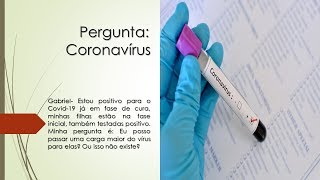
Estou em fase de cura do Covid-19 — Passo uma carga maior do vírus para quem está em fase inicial?
When symptoms or doubts arise involving Covid-19Distinguishing between scientifically validated information and palliative care makes all the difference in the evolution of respiratory, skin, and systemic health. This page aims to deepen understanding of... "Estou em fase de cura do Covid-19 — Passo uma carga maior do vírus para quem está em fase inicial?", providing clear context on how the immune system reacts, which signs require medical attention, and how to structure individualized and effective care.
✔ Medical content reviewed and validated by the founding clinical staff of the Brazil Without Allergies Project
Dr. Marcello Bossois (CRM-RJ 52.73214-1) · Dr. Patricia Schlinkert (CRM/RJ 5274541-3) — more than 30 years of history in Allergy and Immunology, with units in Rio de Janeiro, São Paulo and Paraná. Last reviewed: November 2026.
Transmissão de Carga Viral na Recuperação da COVID-19: O que Saber
Durante o período de enfrentamento da pandemia de COVID-19, uma dúvida comum entre familiares que adoecem em momentos distintos é a possibilidade de pacientes em fase de recuperação transmitirem uma carga viral maior para aqueles que se encontram no início da infecção. Para compreender essa dinâmica, é fundamental diferenciar os tipos de exames realizados, como o teste molecular RT-PCR através do swab nasal, e entender o conceito de viremia e eliminação viral.
A viremia refere-se à presença de vírus circulando no organismo. Clinicamente, quanto maior é a carga viral, maior pode ser a chance de desenvolvimento de formas mais graves da doença. Contudo, nas fases finais da infecção, espera-se que a pessoa apresente uma carga viral significativamente menor até cessar completamente a transmissão. Vale destacar que exames altamente sensíveis, como o RT-PCR, podem permanecer positivos mesmo após o término da transmissão ativa, detectando apenas fragmentos virais inativos que persistem no organismo.
Apesar da expectativa de menor eliminação viral na fase de cura, o cenário epidemiológico e a diversidade de mutações exigem cautela contínua. As diferentes variantes do coronavírus e o tempo ainda limitado de estudos científicos sobre a doença reforçam que todo cuidado é essencial para proteger os conviventes no mesmo domicílio.
Recomendações de Segurança e Distanciamento
- Isolamento domiciliar: Sempre que possível, manter o distanciamento físico adequado e permanecer em cômodos separados daqueles que estão na fase inicial da doença.
- Uso de máscaras: O uso correto de máscaras de proteção por todos os envolvidos ajuda a reduzir a concentração de partículas virais no ambiente.
- Redução da exposição: Medidas rigorosas de higiene e distanciamento auxiliam a minimizar o contágio quantitativo, mantendo a concentração viral circulante o mais baixa possível.
Este conteúdo possui caráter estritamente educativo e informativo, fundamentando-se no contexto histórico da pandemia de COVID-19, e não substitui em hipótese alguma a avaliação médica individualizada e a consulta com um profissional de saúde qualificado.
Developments in Evidence-Based Medicine: The Unified Airway Concept (ARIA/EPOS)
The international ARIA consensuses (Allergic Rhinitis and its Impact on Asthma) and EPOS (European Position Paper on Rhinosinusitis and Nasal Polyps) consolidate the pathophysiological concept of single (unified) air routeThe nasal mucosa, paranasal sinuses, and tracheobronchial tree share the same ciliated pseudostratified respiratory epithelium and the same immunological mechanisms mediated by IgE, mast cells, and eosinophils. Persistent edema of the sinus drainage ostia in uncontrolled allergic rhinitis predisposes to mucociliary stasis, post-nasal drip, recurrent rhinosinusitis, and bronchial hyperreactivity. Evidence-based management integrates nasal hygiene with isotonic/hypertonic saline solution, topical intranasal corticosteroids, environmental control, and... allergen-specific immunotherapy to induce lasting immune tolerance.
💎 Diamond Plan — Safe immunization, even for those with a history of allergies. Speak with an Allergy and Immunology specialist via teleconsultation, from anywhere in Brazil. Schedule a teleconsultation →
Note: Subject to prior medical evaluation (in person or via telemetry/telemedicine). Immunotherapy uses allergen-specific vaccines, which requires a prescription from the attending physician and must be administered under direct medical supervision.
Safe Immunization, Immune Response, and Protection of the Allergic Patient
Vaccine Mechanisms, Excipients, and Assessment of Immune Competence
Preventive immunization represents one of the greatest achievements of medicine in reducing hospitalizations and serious infectious complications, especially in patients with chronic respiratory diseases (such as asthma and COPD), heart disease, high blood pressure, and diabetes. Patients allergic to aeroallergens, foods, or common medications do not have a general contraindication to vaccines; allergological attention focuses on the specific evaluation of rare cases of previous anaphylaxis to isolated components of the formula (such as polyethylene glycol, polysorbate, or specific protein traces), situations that now have safe assisted application protocols.
Integration between Vaccination Schedule, Allergy Tests and Baseline Monitoring
Individualized assessment by an allergist and immunologist correlates laboratory tests of cellular and humoral immunity with the patient's actual clinical history. Combining the allergy test well indicated for preventive monitoring — including allergy vaccine In cases of atopic dermatitis, and with immunostimulant vaccines when applicable, broad, safe protection based on scientific evidence is guaranteed.
Inflammation of the Respiratory Mucosa, House Mites, and Local Complications
Under the medical concept of a 'single airway', uncontrolled inflammation of the nasal cavities and paranasal sinuses directly impacts the ears (Eustachian tube dysfunction), eyes (rhinoconjunctivitis), sleep quality, and bronchi. In specific subgroups, such as Aspirin-Exacerbated Respiratory Disease (AERD), recurrent nasal polyposis, asthma, and intolerance to COX-1 inhibitor anti-inflammatory drugs are also present, requiring specialized diagnosis to restore the sense of smell and respiratory patency.
Clinical Safety Criteria and Warning Signs in Allergology
Early recognition of warning signs requiring priority medical reassessment is part of the health education of every patient and their family. Symptoms such as progressive dyspnea (difficulty breathing or speaking in complete sentences), refractory wheezing, sudden edema of the lips, tongue, or glottis, dizziness due to a drop in blood pressure, persistent fever associated with skin lesions or mucous membrane involvement require immediate emergency care, followed by a structured allergy investigation to prevent future recurrences.
Impact on Quality of Life, Sleep, and Systemic Well-being
Além das manifestações físicas diretas, quadros não controlados ligados a Covid-19 interferem profundamente na arquitetura do sono reparador, na capacidade de concentração escolar e profissional e no equilíbrio emocional. O estresse crônico, por meio de mediadores neuroendócrinos e alarminas epiteliais, retroalimenta a resposta inflamatória imunitária. Dessa forma, instituir uma abordagem integral de reabilitação clínica e ambiental restaura a autonomia diária e o bem-estar global do indivíduo.
Importance of Differential Diagnosis and Detailed Medical History
Na especialidade de Alergia e Imunologia, dois pacientes com sintomas aparentemente semelhantes envolvendo Covid-19 podem apresentar mecanismos fisiopatológicos completamente distintos. Por essa razão, a história clínica minuciosa — investigando cronologia das crises, ambiente domiciliar e profissional, histórico familiar de atopia, uso de fármacos concomitantes e hábitos alimentares — funciona como bússola indispensável para interpretar corretamente exames laboratoriais (como dosagem de IgE total e específica) e provas funcionais. Um resultado laboratorial isolado jamais substitui o julgamento clínico presencial ou por telemedicina especializada, prevenindo diagnósticos equivocados e tratamentos desnecessários.
Environmental Prevention, Therapeutic Adherence, and Continuous Monitoring
Long-term success in managing allergic and immunological conditions depends directly on the alliance between targeted medical treatment and daily educational measures. Maintaining well-ventilated environments free from accumulated household dust, preserving the physiological hydration of mucous membranes and the skin barrier, strictly adhering to the schedules and technique for using prescribed preventive medications, and conducting periodic check-ups allow for the stabilization of subclinical inflammation before it progresses to acute exacerbations.
Diamond Plan: Specialized Allergy Treatment Wherever You Are
Living hundreds of miles from an allergist or having to interrupt treatment because of the price of vaccines shouldn't be anyone's fate. With the Diamond PlanBrazil Without Allergies brings the same high standard of care from its clinics to your home, with telemedicine consultations and a more accessible path to immunotherapy. Safe immunization, even for those with a history of allergies.
Why do patients across Brazil choose the Diamond Plan?
- Teleconsultation with a specialist In Allergy and Immunology, without queues and without long commutes — ideal for those who live far from large cities.
- easy access to Immunotherapy (including allergy vaccines and immunostimulants) — indicated for the treatment of allergic rhinitis, asthma, bronchitis, atopic dermatitis, insect/mosquito bite allergy (prurigo strophulus), recurrent candidiasis, and for increasing immunity in selected patients — capable of modifying the natural course of allergic disease, always through consultation and individualized prescription.
- A more accessible route For those facing the high cost of allergy vaccines, this plan offers support for continuity of treatment.
- Continuous monitoring based on clinical evolution, with adjustments to treatment throughout the entire therapeutic cycle.
- National coverage, backed by a consolidated physical network and a founding clinical team with over three decades of experience.
More than 30 years caring for people with allergies.
Founded and run by Dr. Marcello Bossois (CRM-RJ 52.73214-1) and by Dr. Patrícia Schlinkert (CRM/RJ 5274541-3)The Brazil Without Allergies Project adds... more than 30 years of history and more than 450,000 free services, with physical presence at Rio de Janeiro, São Paulo and Paraná, one mobile clinic bus that brings testing and consultations to communities with limited access to specialized care and a platform of telemedicine which connects patients from all states to the same standard of care.
START TODAY
Your expert consultation is just a click away.
I want to join the Diamond Plan.Schedule a teleconsultation
Official telemedicine environment: brasilsemalergia.online
Do you prefer to be served in person?
Our clinical units They conduct consultations, allergy tests, and immunotherapy follow-up with doctors in person:
- Rio de Janeiro: Realengo (West Zone), North Zone, Duke of Caxias, Xerém, New Iguaçu, Itaguaí, Niterói, Iguaba Grande and Saint Peter of the Village (Lakes Region).
- São Paulo: Campo Limpo (South Zone).
- Paraná: Curitiba.
Schedule your in-person appointment. Or check the mobile bus schedule through the customer service center on WhatsApp. (21) 99954-5632.
The indication for immunotherapy, and for any treatment, depends on an individual medical evaluation. This content is for informational purposes only and does not replace consultation with a specialist.
Note: Subject to prior medical evaluation (in person or via telemetry/telemedicine). Immunotherapy uses allergen-specific vaccines, which requires a prescription from the attending physician and must be administered under direct medical supervision.
Conclusion and Summary of Guidelines
In summary, the appropriate approach to Covid-19 This requires a clear understanding of the immunological mechanisms involved, precise etiological diagnosis, and individualized medical follow-up. Avoid self-medication and investigate the root cause of symptoms—relying on specialized resources and reliable guidance such as... rhinitis treatment When clinically relevant, it is the safest way to manage crises, prevent complications, and ensure sustainable quality of life.
Scientific references and authoritative sources
The guidelines on this page follow the guidelines and literature of leading international Allergy and Immunology institutions. For further information:


