


Patch Test — Cosmetic Allergy — Negative Test — Contact Reaction
When symptoms or doubts arise involving Patch TestDistinguishing between scientifically validated information and palliative care makes all the difference in the evolution of respiratory, skin, and systemic health. This page aims to deepen understanding of... "Patch Test — Cosmetic Allergy — Negative Test — Contact Reaction", providing clear context on how the immune system reacts, which signs require medical attention, and how to structure individualized and effective care.
✔ Medical content reviewed and validated by the founding clinical staff of the Brazil Without Allergies Project
Dr. Marcello Bossois (CRM-RJ 52.73214-1) · Dr. Patricia Schlinkert (CRM/RJ 5274541-3) — more than 30 years of history in Allergy and Immunology, with units in Rio de Janeiro, São Paulo and Paraná. Last reviewed: November 2026.
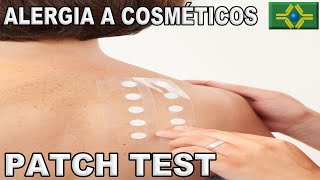
Allergological Evaluation and Informed Clinical Response
Question: "I took a patch test and it came back negative. My doctor is very worried, as he knows I'm allergic to cosmetics. What could have happened for the test to come back negative?"
It's difficult to know exactly what happened in your case — each case is different, and this is no substitute for a consultation. But there are several possibilities for a patch test negative when the doctor is sure that there is a contact allergy, the so-called contact reaction. type IV:
• Insufficient penetration of the allergen: the way the substance was placed on the back may not have allowed adequate penetration.
• Low concentration or dose: Some people, for example with a larger body surface, need a greater amount of the allergen for the test to be positive.
• Substance not released: the filter paper may not be suitable and may not release the substance.
• Insufficient occlusion: If the test is not well occluded, the substance leaks and is not in contact with the correct region.
• Inappropriate application site: The preferred location is the one with the least friction, movement and joints — hence the back, a wide area that allows for adequate reading.
• Absence of late readings: around 30% of the substances tested are only positive after 72 hours; with reading only in 48 hours, some reactions may go unnoticed.
• Medicines: the use, even a few days before, of immunosuppressants such as tacrolimus (a calcineurin inhibitor) or topical corticosteroid in the region can lead to a false negative.
• Inappropriate allergen: the substance tested may not be in active form or may be insufficiently oxidized or degraded.
• Compound reaction: the patient may react to a combination of substances.
Before classifying the patient as non-allergic to a contact allergy, it is necessary to consider all these possibilities. The specialist doctor’s assessment is essential; talk to him.
Developments in Evidence-Based Medicine: Cutaneous Immunopathology and Restoration of the Epithelial Barrier
Evidence-based medicine demonstrates that chronic inflammatory dermatoses involve the interaction between epidermal barrier dysfunction (such as mutations or reduced expression of the protein). filaggrin and ceramides in the stratum corneum in atopic dermatitis, facilitating transepidermal water loss and the penetration of aeroallergens and staphylococcal antigens) and polarized immune activation (predominance of Th2/Th22 with IL-4, IL-13 and IL-31 in atopic dermatitis; delayed-type IV hypersensitivity mediated by T lymphocytes in allergic contact eczema diagnosed by contact test / patch test; and the IL-23/Th17/TNF-α axis in psoriasis). Structured management combines intensive restorative hydration, inflammation control with topical corticosteroids or calcineurin inhibitors (proactive therapy), eradication of proven triggers, and, in aeroallergen-sensitized or severe cases, specific immunotherapy and targeted therapies.
💎 Diamond Plan — Peaceful skin, free from constant itching and sleepless flare-ups. Speak with an Allergy and Immunology specialist via teleconsultation, from anywhere in Brazil. Schedule a teleconsultation →
Note: Subject to prior medical evaluation (in person or via telemetry/telemedicine). Immunotherapy uses allergen-specific vaccines, which requires a prescription from the attending physician and must be administered under direct medical supervision.
Skin Barrier Health, Immune Inflammation, and Pruritus Control
Epithelial Dysfunction, Skin Microbiome, and Delayed Sensitization
The skin acts as the first organ of immune defense in the human body. In atopic dermatitis, genetic alterations in structural proteins of the stratum corneum (such as filaggrin) and in the composition of ceramides cause transepidermal water loss, pronounced dryness, and facilitated entry of mites and aeroallergens. This microenvironment activates Th2 cytokines (especially IL-4, IL-13, and IL-31, directly linked to intense itching) and favors colonization by Staphylococcus aureus, whose superantigens perpetuate eczematous flare-ups.
Therapeutic Hydration, Skin Tests and Immunotherapy
Controlling the itch-scratch cycle requires ongoing management of subclinical inflammation through... atopic dermatitis treatment, topical corticosteroid-sparing immunomodulators and administration of allergy test appropriate to the lesion profile. When household allergens play a significant role in worsening skin conditions, the indication for allergy vaccine It works by reducing immune hyper-reactivity and significantly spacing out relapses.
Immediate Reactions, Delayed Drug Reactions, and Risks of Self-Medication
Another critical pharmacovigilance point concerns the indiscriminate use of long-acting oral or injectable systemic corticosteroids (such as intramuscular betamethasone combinations). Although they provide apparent rapid relief, repeated applications suppress the hypothalamic-pituitary-adrenal axis, raise blood pressure and blood glucose, demineralize bone mass, weaken immunity against infections, and can cause local neuropathic pain when improperly applied to the gluteal region.
Clinical Safety Criteria and Warning Signs in Allergology
Early recognition of warning signs requiring priority medical reassessment is part of the health education of every patient and their family. Symptoms such as progressive dyspnea (difficulty breathing or speaking in complete sentences), refractory wheezing, sudden edema of the lips, tongue, or glottis, dizziness due to a drop in blood pressure, persistent fever associated with skin lesions or mucous membrane involvement require immediate emergency care, followed by a structured allergy investigation to prevent future recurrences.
Impact on Quality of Life, Sleep, and Systemic Well-being
In addition to the direct physical manifestations, uncontrolled conditions linked to the Patch Test profoundly interfere with the architecture of restful sleep, the ability to concentrate at school and work and emotional balance. Chronic stress, through neuroendocrine mediators and epithelial alarmins, feeds back the immune inflammatory response. In this way, instituting a comprehensive approach to clinical and environmental rehabilitation restores the individual's daily autonomy and global well-being.
Importance of Differential Diagnosis and Detailed Medical History
In the specialty of Allergy and Immunology, two patients with apparently similar symptoms involving Patch Test may present completely different pathophysiological mechanisms. For this reason, a detailed clinical history — investigating the chronology of crises, home and professional environment, family history of atopy, use of concomitant drugs and eating habits — serves as an indispensable compass to correctly interpret laboratory tests (such as total and specific IgE levels) and functional tests. An isolated laboratory result never replaces in-person clinical judgment or specialized telemedicine, preventing mistaken diagnoses and unnecessary treatments.
Environmental Prevention, Therapeutic Adherence, and Continuous Monitoring
Long-term success in managing allergic and immunological conditions depends directly on the alliance between targeted medical treatment and daily educational measures. Maintaining well-ventilated environments free from accumulated household dust, preserving the physiological hydration of mucous membranes and the skin barrier, strictly adhering to the schedules and technique for using prescribed preventive medications, and conducting periodic check-ups allow for the stabilization of subclinical inflammation before it progresses to acute exacerbations.
Frequently Asked Questions in Clinical Practice
Immunological Reactions to Insect Bites and Prevention of Crises: Reactions triggered by arthropods are clinically divided between hypersensitivity to the saliva of hematophagous insects (such as mosquitoes, black flies, and fleas, which cause papular urticaria in childhood) and systemic allergy to the venom of hymenoptera (bees, wasps, and fire ants). While salivary antigens usually generate persistent pruritic papules and a risk of secondary bacterial infection from scratching, venom injected by a stinger can trigger massive mast cell degranulation mediated by IgE antibodies, requiring evaluation of baseline serum tryptase and an emergency action plan.
Diamond Plan: Specialized Allergy Treatment Wherever You Are
Treating the cause of an allergy requires consistency — and consistency requires access. Diamond Plan It was designed for patients throughout Brazil who face the high cost of allergy vaccines and the difficulties of travel, offering specialized follow-up through telemedicine and easy access to immunotherapy treatment. For peaceful skin, free from constant itching and sleep-depriving flare-ups.
Why do patients across Brazil choose the Diamond Plan?
- Teleconsultation with a specialist In Allergy and Immunology, without queues and without long commutes — ideal for those who live far from large cities.
- easy access to Immunotherapy (including allergy vaccines and immunostimulants) — indicated for the treatment of allergic rhinitis, asthma, bronchitis, atopic dermatitis, insect/mosquito bite allergy (prurigo strophulus), recurrent candidiasis, and for increasing immunity in selected patients — capable of modifying the natural course of allergic disease, always through consultation and individualized prescription.
- A more accessible route For those facing the high cost of allergy vaccines, this plan offers support for continuity of treatment.
- Continuous monitoring based on clinical evolution, with adjustments to treatment throughout the entire therapeutic cycle.
- National coverage, backed by a consolidated physical network and a founding clinical team with over three decades of experience.
More than 30 years caring for people with allergies.
Founded and run by Dr. Marcello Bossois (CRM-RJ 52.73214-1) and by Dr. Patrícia Schlinkert (CRM/RJ 5274541-3)The Brazil Without Allergies Project adds... more than 30 years of history and more than 450,000 free services, with physical presence at Rio de Janeiro, São Paulo and Paraná, one mobile clinic bus that brings testing and consultations to communities with limited access to specialized care and a platform of telemedicine which connects patients from all states to the same standard of care.
START TODAY
Your expert consultation is just a click away.
I want to join the Diamond Plan.Schedule a teleconsultation
Official telemedicine environment: brasilsemalergia.online
Do you prefer to be served in person?
Our clinical units They conduct consultations, allergy tests, and immunotherapy follow-up with doctors in person:
- Rio de Janeiro: Realengo (West Zone), North Zone, Duke of Caxias, Xerém, New Iguaçu, Itaguaí, Niterói, Iguaba Grande and Saint Peter of the Village (Lakes Region).
- São Paulo: Campo Limpo (South Zone).
- Paraná: Curitiba.
Schedule your in-person appointment. Or check the mobile bus schedule through the customer service center on WhatsApp. (21) 99954-5632.
The indication for immunotherapy, and for any treatment, depends on an individual medical evaluation. This content is for informational purposes only and does not replace consultation with a specialist.
Note: Subject to prior medical evaluation (in person or via telemetry/telemedicine). Immunotherapy uses allergen-specific vaccines, which requires a prescription from the attending physician and must be administered under direct medical supervision.
Conclusion and Summary of Guidelines
In summary, the appropriate approach to Patch Test It requires a clear understanding of the immunological mechanisms involved, precise etiological diagnosis, and individualized medical follow-up. Avoiding self-medication and investigating the root cause of symptoms—relying on specialized resources and reliable guidance such as specialized allergy and immunology care when clinically relevant—is the safest way to control flare-ups, prevent complications, and ensure sustainable quality of life.
Scientific references and authoritative sources
The guidelines on this page follow the guidelines and literature of leading international Allergy and Immunology institutions. For further information:


