


Asma — Eu tenho Asma, tomo remédio mais não funciona — O que fazer?
When symptoms or doubts arise involving AsthmaDistinguishing between scientifically validated information and palliative care makes all the difference in the evolution of respiratory, skin, and systemic health. This page aims to deepen understanding of... "Asma — Eu tenho Asma, tomo remédio mais não funciona — O que fazer?", providing clear context on how the immune system reacts, which signs require medical attention, and how to structure individualized and effective care.
✔ Medical content reviewed and validated by the founding clinical staff of the Brazil Without Allergies Project
Dr. Marcello Bossois (CRM-RJ 52.73214-1) · Dr. Patricia Schlinkert (CRM/RJ 5274541-3) — more than 30 years of history in Allergy and Immunology, with units in Rio de Janeiro, São Paulo and Paraná. Last reviewed: November 2026.
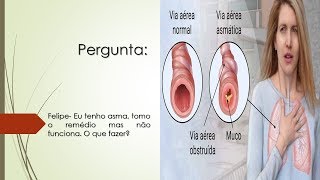
O que fazer quando o tratamento para asma parece não funcionar?
Uma das principais dúvidas que chegam aos especialistas no Projeto Brasil Sem Alergia envolve pacientes que fazem uso contínuo de medicamentos para a asma, mas sentem que o tratamento não está trazendo o alívio esperado. Quando a medicação parece não funcionar, o primeiro passo fundamental é reavaliar a precisão do diagnóstico. É essencial confirmar com um médico especialista se o quadro realmente se trata de asma, uma vez que outras condições respiratórias podem apresentar sintomas semelhantes.
Além da confirmação diagnóstica, é preciso analisar criteriosamente quais fármacos estão sendo utilizados e de que maneira o tratamento está sendo conduzido. A asma pode apresentar diferentes perfis, sendo a asma alérgica uma das formas mais comuns. Nesses casos, a identificação dos gatilhos alérgicos é determinante para o sucesso terapêutico, permitindo que o médico indique a abordagem mais apropriada para o controle a longo prazo.
Aspectos fundamentais na condução do tratamento da asma
- Diferenciação entre medicações de resgate e de controle: O uso inadequado dos fármacos é uma causa frequente de falha terapêutica. Broncodilatadores de curta duração, como o salbutamol, são excelentes ferramentas para o alívio rápido dos sintomas (resgate), mas não substituem os medicamentos anti-inflamatórios de uso contínuo (corticosteroides inalatórios associados a broncodilatadores de longa duração) necessários para o controle diário da inflamação brônquica.
- Prevenção da taquifilaxia: O uso isolado e excessivo de broncodilatadores de curta duração sem a devida orientação médica pode levar à redução da resposta dos receptores pulmonares ao medicamento, fenômeno conhecido como taquifilaxia. O acompanhamento regular por meio de exames de função pulmonar, como a espirometria, é indispensável para ajustar as doses com segurança.
- Avaliação de comorbidades associadas: Condições concomitantes frequentemente agravam os sintomas respiratórios e mascaram a melhora clínica. A rinite alérgica não controlada, a rinossinusite e a doença do refluxo gastroesofágico (DRGE) exercem impacto direto sobre as vias aéreas, exigindo uma abordagem integrada e holística do paciente.
- Imunoterapia alérgeno-específica: Para pacientes com asma alérgica leve a moderada devidamente documentada por testes de sensibilização, o uso de vacinas para alergia pode ser considerado como parte do plano terapêutico para modular a resposta imunológica.
Portanto, diante da sensação de que o tratamento para a asma não está surtindo efeito, nunca recorra à automedicação ou altere as doses por conta própria. É imprescindível passar por uma avaliação médica detalhada com um alergista ou pneumologista para identificar eventuais falhas na rotina de cuidados, revisar a técnica inalatória e ajustar a conduta terapêutica de maneira personalizada.
Nota importante: Este conteúdo possui caráter estritamente educativo e informativo, não substituindo em hipótese alguma a consulta, o diagnóstico e a avaliação individualizada com um médico especialista.
Developments in Evidence-Based Medicine: Pharmacokinetics and Safety of Corticosteroids
The consolidated guidelines of Evidence-Based Medicine (GINA, ARIA, and Allergy and Endocrinology consensus) establish a strict distinction between the... topical/inhaled corticosteroids — which act locally on the respiratory or cutaneous mucosa with minimal systemic bioavailability and constitute the safe basis for chronic anti-inflammatory control — and the Systemic corticosteroids (oral or injectable depot corticosteroids, such as the combination of betamethasone dipropionate and disodium phosphate)Injectable depot formulations maintain prolonged release for weeks, promoting suppression of the hypothalamic-pituitary-adrenal axis (risk of secondary adrenal insufficiency), hyperglycemia, hypertension, fluid retention, bone demineralization, subcapsular cataracts, and immunosuppression, and should not be used as maintenance therapy for rhinitis, asthma, or urticaria.
💎 Diamond Plan — Well-controlled asthma shouldn't require frequent trips to the emergency room. Talk to an Allergy and Immunology specialist via teleconsultation, from anywhere in Brazil. Schedule a teleconsultation →
Note: Subject to prior medical evaluation (in person or via telemetry/telemedicine). Immunotherapy uses allergen-specific vaccines, which requires a prescription from the attending physician and must be administered under direct medical supervision.
Control of Bronchial Inflammation, Lung Function, and Prevention of Remodeling
Lower Airway Hyperreactivity and the Role of Inhalation Therapy
Bronchial asthma and allergic bronchitis are chronic inflammatory diseases of the lower airways, characterized by bronchial hyperreactivity, mucosal edema, mucus hypersecretion, and variable obstruction to expiratory airflow. When eosinophilic or allergic inflammation (type 2) remains uncontrolled over the years—or when the patient uses only short-term bronchodilators without treating the underlying inflammation—thickening of the basement membrane and hypertrophy of the bronchial smooth muscle occur, a process known as bronchial remodeling.
Inhalation Technique, Environmental Control and Respiratory Immunotherapy
The integration between environmental control of household dust, adherence to the prescribed preventive plan, and implementation of allergy test allows you to customize the asthma treatmentIn the presence of proven IgE sensitization, the asthma vaccine It acts on the immunological cause of respiratory hyper-reactivity, while cases of severe refractory asthma now have access to highly precise immunobiological drugs.
Immediate Reactions, Delayed Drug Reactions, and Risks of Self-Medication
Another critical pharmacovigilance point concerns the indiscriminate use of long-acting oral or injectable systemic corticosteroids (such as intramuscular betamethasone combinations). Although they provide apparent rapid relief, repeated applications suppress the hypothalamic-pituitary-adrenal axis, raise blood pressure and blood glucose, demineralize bone mass, weaken immunity against infections, and can cause local neuropathic pain when improperly applied to the gluteal region.
Epithelial Barrier, Eosinophilic Inflammation, and Intestinal Permeability
Immune-mediated disorders of the gastrointestinal tract—including eosinophilic esophagitis, celiac disease, and non-celiac gluten sensitivity—share alterations in the integrity of the tight junctions of the digestive epithelium. In eosinophilic esophagitis, frequently associated with rhinitis, asthma, and atopic dermatitis, eosinophil infiltration of the esophageal wall causes dysphagia, food impaction, and symptoms that mimic gastroesophageal reflux refractory to proton pump inhibitors.
Inflammation of the Respiratory Mucosa, House Mites, and Local Complications
Under the medical concept of a 'single airway', uncontrolled inflammation of the nasal cavities and paranasal sinuses directly impacts the ears (Eustachian tube dysfunction), eyes (rhinoconjunctivitis), sleep quality, and bronchi. In specific subgroups, such as Aspirin-Exacerbated Respiratory Disease (AERD), recurrent nasal polyposis, asthma, and intolerance to COX-1 inhibitor anti-inflammatory drugs are also present, requiring specialized diagnosis to restore the sense of smell and respiratory patency.
Clinical Safety Criteria and Warning Signs in Allergology
Early recognition of warning signs requiring priority medical reassessment is part of the health education of every patient and their family. Symptoms such as progressive dyspnea (difficulty breathing or speaking in complete sentences), refractory wheezing, sudden edema of the lips, tongue, or glottis, dizziness due to a drop in blood pressure, persistent fever associated with skin lesions or mucous membrane involvement require immediate emergency care, followed by a structured allergy investigation to prevent future recurrences.
Impact on Quality of Life, Sleep, and Systemic Well-being
Além das manifestações físicas diretas, quadros não controlados ligados a Asma interferem profundamente na arquitetura do sono reparador, na capacidade de concentração escolar e profissional e no equilíbrio emocional. O estresse crônico, por meio de mediadores neuroendócrinos e alarminas epiteliais, retroalimenta a resposta inflamatória imunitária. Dessa forma, instituir uma abordagem integral de reabilitação clínica e ambiental restaura a autonomia diária e o bem-estar global do indivíduo.
Diamond Plan: Specialized Allergy Treatment Wherever You Are
We know that, for many families, allergy treatment faces two concrete obstacles: high cost of allergy vaccines and the distance to a specialized centerThe Diamond Plan It was created precisely to remove these barriers, combining teleconsultation with specialists and easy access to immunotherapy throughout the country. Well-controlled asthma should not depend on frequent trips to the emergency room.
Why do patients across Brazil choose the Diamond Plan?
- Teleconsultation with a specialist In Allergy and Immunology, without queues and without long commutes — ideal for those who live far from large cities.
- easy access to Immunotherapy (including allergy vaccines and immunostimulants) — indicated for the treatment of allergic rhinitis, asthma, bronchitis, atopic dermatitis, insect/mosquito bite allergy (prurigo strophulus), recurrent candidiasis, and for increasing immunity in selected patients — capable of modifying the natural course of allergic disease, always through consultation and individualized prescription.
- A more accessible route For those facing the high cost of allergy vaccines, this plan offers support for continuity of treatment.
- Continuous monitoring based on clinical evolution, with adjustments to treatment throughout the entire therapeutic cycle.
- National coverage, backed by a consolidated physical network and a founding clinical team with over three decades of experience.
More than 30 years caring for people with allergies.
Founded and run by Dr. Marcello Bossois (CRM-RJ 52.73214-1) and by Dr. Patrícia Schlinkert (CRM/RJ 5274541-3)The Brazil Without Allergies Project adds... more than 30 years of history and more than 450,000 free services, with physical presence at Rio de Janeiro, São Paulo and Paraná, one mobile clinic bus that brings testing and consultations to communities with limited access to specialized care and a platform of telemedicine which connects patients from all states to the same standard of care.
START TODAY
Your expert consultation is just a click away.
I want to join the Diamond Plan.Schedule a teleconsultation
Official telemedicine environment: brasilsemalergia.online
Do you prefer to be served in person?
Our clinical units They conduct consultations, allergy tests, and immunotherapy follow-up with doctors in person:
- Rio de Janeiro: Realengo (West Zone), North Zone, Duke of Caxias, Xerém, New Iguaçu, Itaguaí, Niterói, Iguaba Grande and Saint Peter of the Village (Lakes Region).
- São Paulo: Campo Limpo (South Zone).
- Paraná: Curitiba.
Schedule your in-person appointment. Or check the mobile bus schedule through the customer service center on WhatsApp. (21) 99954-5632.
The indication for immunotherapy, and for any treatment, depends on an individual medical evaluation. This content is for informational purposes only and does not replace consultation with a specialist.
Note: Subject to prior medical evaluation (in person or via telemetry/telemedicine). Immunotherapy uses allergen-specific vaccines, which requires a prescription from the attending physician and must be administered under direct medical supervision.
Conclusion and Summary of Guidelines
In summary, the appropriate approach to Asthma It requires a clear understanding of the immunological mechanisms involved, precise etiological diagnosis, and individualized medical follow-up. Avoiding self-medication and investigating the root cause of symptoms—relying on specialized resources and reliable guidance such as specialized allergy and immunology care when clinically relevant—is the safest way to control flare-ups, prevent complications, and ensure sustainable quality of life.
Scientific references and authoritative sources
The guidelines on this page follow the guidelines and literature of leading international Allergy and Immunology institutions. For further information:


