


Coronavírus — Tenho 53 anos, sou hipertensa e tenho Rinite Alérgica — Estou no grupo de risco?
When symptoms or doubts arise involving Rinite AlérgicaDistinguishing between scientifically validated information and palliative care makes all the difference in the evolution of respiratory, skin, and systemic health. This page aims to deepen understanding of... "Coronavírus — Tenho 53 anos, sou hipertensa e tenho Rinite Alérgica — Estou no grupo de risco?", providing clear context on how the immune system reacts, which signs require medical attention, and how to structure individualized and effective care.
✔ Medical content reviewed and validated by the founding clinical staff of the Brazil Without Allergies Project
Dr. Marcello Bossois (CRM-RJ 52.73214-1) · Dr. Patricia Schlinkert (CRM/RJ 5274541-3) — more than 30 years of history in Allergy and Immunology, with units in Rio de Janeiro, São Paulo and Paraná. Last reviewed: November 2026.
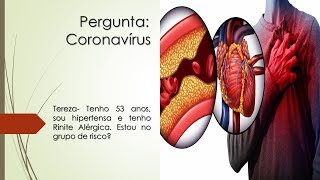
Coronavírus, Hipertensão e Rinite Alérgica: Faço parte do grupo de risco?
Compreender os riscos associados a comorbidades durante períodos de infecções respiratórias é fundamental para a tranquilidade e a segurança do paciente. Um questionamento frequente recebido no Projeto Brasil Sem Alérgia envolveu uma paciente de 53 anos, diagnosticada com hipertensão arterial e rinite alérgica, que buscava entender se integrava o grupo de risco para o coronavírus (SARS-CoV-2), especialmente devido a discussões científicas iniciais sobre o uso de medicamentos anti-hipertensivos.
O raciocínio clínico inicial sobre a hipertensão baseava-se em um estudo publicado que sugeria uma possível relação entre o aumento de angiotensina e uma maior facilidade de penetração do vírus nas células pulmonares. Contudo, sociedades médicas de referência — como a Sociedade Europeia de Cardiologia e a Sociedade Brasileira de Cardiologia — ponderaram e atualizaram essas diretrizes com base em evidências robustas. O posicionamento oficial da comunidade cardiológica mundial é categórico: os pacientes não devem interromper o uso de seus medicamentos anti-hipertensivos sob nenhuma hipótese. A suspensão abrupta da medicação apresenta um risco imensamente superior de complicações cardiovasculares graves do que o cenário hipotético em discussão.
No que diz respeito à rinite alérgica, a inflamação crônica da mucosa nasal altera a integridade da barreira epitelial e pode facilitar a adesão e a entrada de determinados vírus respiratórios, devido à expressão de proteínas de adesão. Embora não houvesse, à época do contexto analisado, dados científicos específicos consolidados exclusivamente sobre a infecção por coronavírus em pacientes com rinite alérgica, o conhecimento prévio sobre resfriados e gripes comuns orientava o raciocínio médico preventivo: controlar a inflamação alérgica é sempre uma medida prudente para manter as vias aéreas superiores protegidas.
Diante de quadros alérgicos descontrolados ou dúvidas sobre comorbidades e medicações, a recomendação primária é buscar a orientação de um médico especialista para a individualização do plano terapêutico. Ressaltamos que este conteúdo possui caráter estritamente educativo e informativo, não substituindo em hipótese alguma a consulta, o diagnóstico e a avaliação médica individualizada oferecida pelos canais oficiais do Projeto Brasil Sem Alérgia.
Development in Evidence-Based Medicine: Bronchial Inflammation Control and Lung Function (GINA)
According to global guidelines of Global Initiative for Asthma (GINA), a bronchial asthma It is a chronic inflammatory disease of the airways characterized by bronchial hyperreactivity and variable obstruction to expiratory airflow, objectively documented by Spirometry (pulmonary function test with bronchodilator test)The fundamental therapeutic pillar consists of the continuous control of eosinophilic/Th2 inflammation of the bronchial mucosa through... inhaled corticosteroids (alone or in combination with long-acting beta-2 agonist bronchodilators — LABA, such as formoterol or salmeterol), using proper inhalation technique or a valved spacer. The isolated and repetitive use of short-acting bronchodilators (such as salbutamol or fenoterol) without inhaled anti-inflammatory coverage is associated with a higher risk of severe exacerbations and bronchial remodeling.
💎 Diamond Plan — Respirar bem pelo nariz, dormir melhor e trabalhar sem crises é um objetivo possível. Fale com um especialista em Alergia e Imunologia por teleconsulta, de qualquer cidade do Brasil. Schedule a teleconsultation →
Note: Subject to prior medical evaluation (in person or via telemetry/telemedicine). Immunotherapy uses allergen-specific vaccines, which requires a prescription from the attending physician and must be administered under direct medical supervision.
Via Aérea Unificada: Manejo da Rinite, Rinossinusite e Hipersensibilidade Nasal
Inflammation of the Respiratory Mucosa, House Mites, and Local Complications
The nose performs vital functions of filtering, warming, and humidifying inhaled air before it reaches the lungs. In allergic rhinitis and chronic rhinosinusitis, contact between aeroallergens—especially house dust mites (Dermatophagoides pteronyssinus and Blomia tropicalis), anemophilous fungi, and epithelia—and IgE antibodies fixed to mast cells in the nasal mucosa triggers the immediate release of histamine, leukotrienes, and prostaglandins. This process generates nasal obstruction, itching, sneezing fits, post-nasal drip (a frequent cause of chronic nighttime cough), and vascular fragility that can favor minor bleeding (epistaxis) due to trauma from blowing the nose or from poorly directed sprays.
Lavagem Nasal, Sprays Tópicos Seguros e Imunoterapia Dessensibilizante
Medidas de higiene ambiental no quarto de dormir — encapamento impermeável de colchões e travesseiros, ventilação solar e remoção de reservatórios de poeira — caminham lado a lado com o allergy test and the rhinitis treatment individualizado. Quando indicada pelo especialista, a allergy vaccine reduz de forma duradoura as crises nasais e previne a evolução para sinusites de repetição e hiper-reatividade brônquica.
Vaccine Mechanisms, Excipients, and Assessment of Immune Competence
In assessing the competence of the immune system—whether in recurrent infections, laboratory alterations in immunoglobulins (IgG, IgA, IgM, IgE), or in people living with HIV under monitoring of CD4 T lymphocyte counts—a careful distinction is made between the use of inactivated/subunit vaccines (widely safe even in immunocompromised individuals) and live attenuated vaccines, whose indication depends on the degree of preservation of cellular immunity. Furthermore, patients undergoing allergy immunotherapy can maintain their vaccination schedule, respecting only small operational intervals as directed by the medical team.
Diamond Plan: Specialized Allergy Treatment Wherever You Are
We know that, for many families, allergy treatment faces two concrete obstacles: high cost of allergy vaccines and the distance to a specialized centerThe Diamond Plan nasceu exatamente para remover essas barreiras, unindo teleconsulta com especialista e acesso facilitado à imunoterapia em todo o território nacional. Respirar bem pelo nariz, dormir melhor e trabalhar sem crises é um objetivo possível.
Why do patients across Brazil choose the Diamond Plan?
- Teleconsultation with a specialist In Allergy and Immunology, without queues and without long commutes — ideal for those who live far from large cities.
- easy access to Immunotherapy (including allergy vaccines and immunostimulants) — indicated for the treatment of allergic rhinitis, asthma, bronchitis, atopic dermatitis, insect/mosquito bite allergy (prurigo strophulus), recurrent candidiasis, and for increasing immunity in selected patients — capable of modifying the natural course of allergic disease, always through consultation and individualized prescription.
- A more accessible route For those facing the high cost of allergy vaccines, this plan offers support for continuity of treatment.
- Continuous monitoring based on clinical evolution, with adjustments to treatment throughout the entire therapeutic cycle.
- National coverage, backed by a consolidated physical network and a founding clinical team with over three decades of experience.
More than 30 years caring for people with allergies.
Founded and run by Dr. Marcello Bossois (CRM-RJ 52.73214-1) and by Dr. Patrícia Schlinkert (CRM/RJ 5274541-3)The Brazil Without Allergies Project adds... more than 30 years of history and more than 450,000 free services, with physical presence at Rio de Janeiro, São Paulo and Paraná, one mobile clinic bus that brings testing and consultations to communities with limited access to specialized care and a platform of telemedicine which connects patients from all states to the same standard of care.
START TODAY
Your expert consultation is just a click away.
I want to join the Diamond Plan.Schedule a teleconsultation
Official telemedicine environment: brasilsemalergia.online
Do you prefer to be served in person?
Our clinical units They conduct consultations, allergy tests, and immunotherapy follow-up with doctors in person:
- Rio de Janeiro: Realengo (West Zone), North Zone, Duke of Caxias, Xerém, New Iguaçu, Itaguaí, Niterói, Iguaba Grande and Saint Peter of the Village (Lakes Region).
- São Paulo: Campo Limpo (South Zone).
- Paraná: Curitiba.
Schedule your in-person appointment. Or check the mobile bus schedule through the customer service center on WhatsApp. (21) 99954-5632.
The indication for immunotherapy, and for any treatment, depends on an individual medical evaluation. This content is for informational purposes only and does not replace consultation with a specialist.
Note: Subject to prior medical evaluation (in person or via telemetry/telemedicine). Immunotherapy uses allergen-specific vaccines, which requires a prescription from the attending physician and must be administered under direct medical supervision.
Conclusion and Summary of Guidelines
In summary, the appropriate approach to Rinite Alérgica It requires a clear understanding of the immunological mechanisms involved, precise etiological diagnosis, and individualized medical follow-up. Avoiding self-medication and investigating the root cause of symptoms—relying on specialized resources and reliable guidance such as specialized allergy and immunology care when clinically relevant—is the safest way to control flare-ups, prevent complications, and ensure sustainable quality of life.
Scientific references and authoritative sources
The guidelines on this page follow the guidelines and literature of leading international Allergy and Immunology institutions. For further information:


