


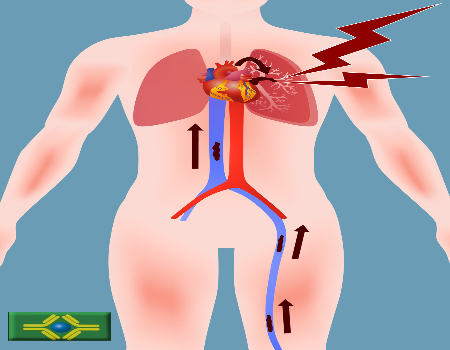
Tenho uma Trombose Pulmonar — Devo tomar essa vacina da Covid-19?
When symptoms or doubts arise involving Covid-19Distinguishing between scientifically validated information and palliative care makes all the difference in the evolution of respiratory, skin, and systemic health. This page aims to deepen understanding of... "Tenho uma Trombose Pulmonar — Devo tomar essa vacina da Covid-19?", providing clear context on how the immune system reacts, which signs require medical attention, and how to structure individualized and effective care.
✔ Medical and scientific content reviewed and validated. by the founding clinical staff of the Brazil Without Allergies Project
Dr. Marcello Bossois (CRM-RJ 52.73214-1) · Dr. Patricia Schlinkert (CRM/RJ 5274541-3) — more than 30 years of history in Allergy and Clinical Immunology, with units in Rio de Janeiro, São Paulo and Paraná. Last reviewed: November 2026.

Complementary Audiovisual Content: Click here to watch the full explanatory video on the official Brasil Sem Alergia YouTube channel..
Allergological Evaluation and Informed Clinical Response
Pergunta (Lourdes): "Doutor, tenho histórico de trombose pulmonar. Devo tomar a vacina contra a Covid-19?" Resposta (Dr. Marcello Bossois): Sim, Lourdes. Contrair a própria infecção pela Covid-19 oferece um risco trombótico e pulmonar infinitamente maior do que a vacinação. As vacinas inativadas não contêm o vírus vivo capaz de provocar a doença infecciosa — diferentemente de vacinas de agentes vivos atenuados, como a tríplice viral, a febre amarela e a BCG.
Portanto, para quem já apresentou quadro de trombose ou embolia pulmonar, a conduta mais prudente é manter o calendário vacinal em dia sob orientação médica, incluindo não apenas a vacina contra a Covid-19, mas também outras vacinas inativadas importantes para a proteção respiratória, como a vacina pneumocócica conjugada (vacina pneumocócica conjugada 13-valente (Pneumo 13) / vacina pneumocócica 23-valente (Pneumo 23)), a vacina anual contra a gripe (Influenza) e a vacina tríplice bacteriana acelular (dTpa) contra difteria, tétano e coqueluche ( Bordetella pertussis ). Converse sempre com o seu médico assistente para receber a prescrição individualizada.
Developments in Evidence-Based Medicine: Differential Diagnosis between Food Allergy and Intolerances
The international guidelines on Food Allergy and Gastroenterology (EAACI/ASBAI) emphasize the precise pathophysiological distinction between immune-mediated food allergy — directed against specific protein fractions in food (such as casein, alpha-lactalbumin, and beta-lactoglobulin in cow's milk protein allergy; ovomucoid in eggs; or tropomyosin in crustaceans), which may be IgE-mediated (risk of immediate anaphylaxis), non-IgE-mediated, or mixed (as in eosinophilic esophagitis and allergic proctocolitis) — and enzymatic or fermentative food intolerances (such as hypolactasia/lactose intolerance and visceral hypersensitivity to fermentable carbohydrates FODMAPs), which do not involve an immune response or anaphylactic risk. The gold standard diagnosis relies on clinical history, specific IgE for molecular components (Component-Resolved Diagnostics), skin tests and, when indicated, oral provocation test (OPT) supervised, avoiding unnecessary restrictive diets.
Safe Immunization, Immune Response, and Protection of the Allergic Patient
Vaccine Mechanisms, Excipients, and Assessment of Immune Competence
Preventive immunization represents one of the greatest achievements of medicine in reducing hospitalizations and serious infectious complications, especially in patients with chronic respiratory diseases (such as asthma and COPD), heart disease, high blood pressure, and diabetes. Patients allergic to aeroallergens, foods, or common medications do not have a general contraindication to vaccines; allergological attention focuses on the specific evaluation of rare cases of previous anaphylaxis to isolated components of the formula (such as polyethylene glycol, polysorbate, or specific protein traces), situations that now have safe assisted application protocols.
Integration between Vaccination Schedule, Allergy Tests and Baseline Monitoring
Individualized assessment by an allergist and immunologist correlates laboratory tests of cellular and humoral immunity with the patient's actual clinical history. Combining the allergy test well indicated for preventive monitoring — including allergy vaccine In cases of atopic dermatitis, and with immunostimulant vaccines when applicable, broad, safe protection based on scientific evidence is guaranteed.
Clinical Safety Criteria and Warning Signs in Allergology
Early recognition of warning signs requiring priority medical reassessment is part of the health education of every patient and their family. Symptoms such as progressive dyspnea (difficulty breathing or speaking in complete sentences), refractory wheezing, sudden edema of the lips, tongue, or glottis, dizziness due to a drop in blood pressure, persistent fever associated with skin lesions or mucous membrane involvement require immediate emergency care, followed by a structured allergy investigation to prevent future recurrences.
Impact on Quality of Life, Sleep, and Systemic Well-being
Além das manifestações físicas diretas, quadros não controlados ligados a Covid-19 interferem profundamente na arquitetura do sono reparador, na capacidade de concentração escolar e profissional e no equilíbrio emocional. O estresse crônico, por meio de mediadores neuroendócrinos e alarminas epiteliais, retroalimenta a resposta inflamatória imunitária. Dessa forma, instituir uma abordagem integral de reabilitação clínica e ambiental restaura a autonomia diária e o bem-estar global do indivíduo.
Conclusion and Summary of Guidelines
In summary, the appropriate approach to Covid-19 This requires a clear understanding of the immunological mechanisms involved, precise etiological diagnosis, and individualized medical follow-up. Avoid self-medication and investigate the root cause of symptoms—relying on specialized resources and reliable guidance such as... rhinitis treatment When clinically relevant, it is the safest way to manage crises, prevent complications, and ensure sustainable quality of life.
Scientific references and institutional guidelines
The educational guidelines on this portal follow the clinical consensus of the leading medical societies of Allergy and Immunology:


