


Coronavírus — Tenho Rinite e Urticária — Posso pegar Coronavírus? — Trabalho em hospital
When symptoms or doubts arise involving UrticariaDistinguishing between scientifically validated information and palliative care makes all the difference in the evolution of respiratory, skin, and systemic health. This page aims to deepen understanding of... "Coronavírus — Tenho Rinite e Urticária — Posso pegar Coronavírus? — Trabalho em hospital", providing clear context on how the immune system reacts, which signs require medical attention, and how to structure individualized and effective care.
✔ Medical content reviewed and validated by the founding clinical staff of the Brazil Without Allergies Project
Dr. Marcello Bossois (CRM-RJ 52.73214-1) · Dr. Patricia Schlinkert (CRM/RJ 5274541-3) — more than 30 years of history in Allergy and Immunology, with units in Rio de Janeiro, São Paulo and Paraná. Last reviewed: November 2026.
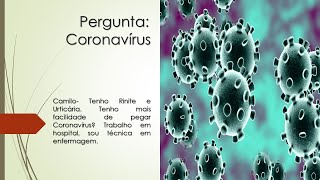
Rinite, Urticária e o Risco de Infecção pelo Coronavírus
A relação entre doenças alérgicas respiratórias e o risco aumentado de infecções virais, como o coronavírus, desperta muitas dúvidas, especialmente em profissionais de saúde que atuam na linha de frente, a exemplo dos técnicos de enfermagem. Pacientes que conviven com condições como rinite alérgica e urticária frequentemente questionam se possuem maior vulnerabilidade para contrair o vírus no ambiente hospitalar.
Embora alguns debates médicos iniciais tenham ponderado sobre essa correlação, a observação clínica e diversos registros especializados apontam que o paciente alérgico merece atenção redobrada. Quando a mucosa nasal encontra-se inflamada devido a um quadro alérgico não controlado, a defesa natural do organismo sofre impactos importantes:
- Comprometimento da proteção mucociliar: Os cílios nasais e o muco atuam como uma barreira física essencial que dificulta a entrada de vírus. A inflamação crônica prejudica o funcionamento adequado desse mecanismo de defesa.
- Aumento de proteínas de adesão: Processos inflamatórios nas vias respiratórias podem elevar a expressão de proteínas que facilitam a penetração de agentes infecciosos no organismo.
- Maior carga viral (viremia): Com as vias aéreas inflamadas e sem a barreira protetora eficiente, o contato com o vírus pode resultar em uma penetração mais expressiva, aumentando a probabilidade de desenvolvimento da doença.
Por essas razões, o controle rigoroso da inflamação alérgica é fundamental. O tratamento adequado das vias aéreas superiores ajuda a restaurar a barreira protetora natural, reduzindo os riscos associados à exposição viral. Profissionais que atuam em hospitais e apresentam sintomas alérgicos devem buscar a avaliação de um médico especialista — como um alergista ou otorrinolaringologista — para iniciar o acompanhamento adequado e manter o quadro devidamente controlado.
Este conteúdo possui caráter exclusivamente educativo e informativo, não substituindo em hipótese alguma a consulta, o diagnóstico ou a orientação médica individualizada com um especialista qualificado.
Developments in Evidence-Based Medicine: Pathophysiology and Staged Management of Urticaria and Angioedema
In accordance with the international guideline EAACI/GA²LEN/EuroGuiDerm/APAAACI for the management of urticaria and angioedemaDegranulation of cutaneous mast cells with the release of histamine, platelet-activating factor (PAF), and cytokines promotes vasodilation, dermal plasma extravasation (fleeting pruritic papules/hives or submucosal/subcutaneous angioedema), and cell recruitment. To distinguish histaminergic angioedema from bradykinin-mediated angioedema (associated with C1-esterase inhibitor deficiency/dysfunction — C1-INH — or the use of ACE inhibitors), the presence of hives, the response to antihistamines, and the C4 and C1-INH levels are evaluated. First-line pharmacological treatment of chronic urticaria is based on non-sedating second-generation H1 antihistamines in standard doses, which can be increased up to four times the usual dose under medical prescription before the indication of anti-IgE immunobiological therapy.
💎 Diamond Plan — Safe immunization, even for those with a history of allergies. Speak with an Allergy and Immunology specialist via teleconsultation, from anywhere in Brazil. Schedule a teleconsultation →
Note: Subject to prior medical evaluation (in person or via telemetry/telemedicine). Immunotherapy uses allergen-specific vaccines, which requires a prescription from the attending physician and must be administered under direct medical supervision.
Pathophysiology of Urticaria and Angioedema: Safe Diagnosis and Management
Mast Cell Activation, Histamine, and the Bradykinin Pathway
Urticaria is characterized by the sudden appearance of hives (intensely itchy, erythematous and edematous papules that are fleeting and disappear in less than 24 hours in the same spot without leaving a scar), and may be accompanied by angioedema in the deeper layers of the dermis and submucosa. In acute cases (lasting less than six weeks), viral infections, foods, and medications are among the classic triggers; while in chronic spontaneous urticaria or induced urticaria (dermographic, cholinergic due to sweat/heat, cold, or delayed pressure), autoimmune mechanisms or mast cell hyperreactivity play a central role.
Therapeutic Escalation without Overuse of Corticosteroids
Identifying aggravating cofactors—especially the use of nonsteroidal anti-inflammatory drugs (NSAIDs), acute stress, and physical stimuli—is part of the specialized consultation. Through the allergy test well-indicated and requiring continuous monitoring aimed at stabilizing mast cells and, in patients with atopic respiratory comorbidities, at allergy vaccineComplete control of symptoms is achieved while preserving overall health.
Inflammation of the Respiratory Mucosa, House Mites, and Local Complications
Under the medical concept of a 'single airway', uncontrolled inflammation of the nasal cavities and paranasal sinuses directly impacts the ears (Eustachian tube dysfunction), eyes (rhinoconjunctivitis), sleep quality, and bronchi. In specific subgroups, such as Aspirin-Exacerbated Respiratory Disease (AERD), recurrent nasal polyposis, asthma, and intolerance to COX-1 inhibitor anti-inflammatory drugs are also present, requiring specialized diagnosis to restore the sense of smell and respiratory patency.
Vaccine Mechanisms, Excipients, and Assessment of Immune Competence
Preventive immunization represents one of the greatest achievements of medicine in reducing hospitalizations and serious infectious complications, especially in patients with chronic respiratory diseases (such as asthma and COPD), heart disease, high blood pressure, and diabetes. Patients allergic to aeroallergens, foods, or common medications do not have a general contraindication to vaccines; allergological attention focuses on the specific evaluation of rare cases of previous anaphylaxis to isolated components of the formula (such as polyethylene glycol, polysorbate, or specific protein traces), situations that now have safe assisted application protocols.
Epithelial Dysfunction, Skin Microbiome, and Delayed Sensitization
In eczematous dermatitis and cases of chronic pruritus, differentiating constitutional atopy from allergic contact dermatitis (a type IV delayed hypersensitivity reaction mediated by T lymphocytes sensitized to metals, cosmetic preservatives, fragrances, resins, or rubber) is essential. Repeated exposure to the sensitizing agent maintains active skin inflammation even with the use of anti-inflammatory ointments, requiring precise identification of the triggering factor.
Clinical Safety Criteria and Warning Signs in Allergology
Early recognition of warning signs requiring priority medical reassessment is part of the health education of every patient and their family. Symptoms such as progressive dyspnea (difficulty breathing or speaking in complete sentences), refractory wheezing, sudden edema of the lips, tongue, or glottis, dizziness due to a drop in blood pressure, persistent fever associated with skin lesions or mucous membrane involvement require immediate emergency care, followed by a structured allergy investigation to prevent future recurrences.
Diamond Plan: Specialized Allergy Treatment Wherever You Are
Living hundreds of miles from an allergist or having to interrupt treatment because of the price of vaccines shouldn't be anyone's fate. With the Diamond PlanBrazil Without Allergies brings the same high standard of care from its clinics to your home, with telemedicine consultations and a more accessible path to immunotherapy. Safe immunization, even for those with a history of allergies.
Why do patients across Brazil choose the Diamond Plan?
- Teleconsultation with a specialist In Allergy and Immunology, without queues and without long commutes — ideal for those who live far from large cities.
- easy access to Immunotherapy (including allergy vaccines and immunostimulants) — indicated for the treatment of allergic rhinitis, asthma, bronchitis, atopic dermatitis, insect/mosquito bite allergy (prurigo strophulus), recurrent candidiasis, and for increasing immunity in selected patients — capable of modifying the natural course of allergic disease, always through consultation and individualized prescription.
- A more accessible route For those facing the high cost of allergy vaccines, this plan offers support for continuity of treatment.
- Continuous monitoring based on clinical evolution, with adjustments to treatment throughout the entire therapeutic cycle.
- National coverage, backed by a consolidated physical network and a founding clinical team with over three decades of experience.
More than 30 years caring for people with allergies.
Founded and run by Dr. Marcello Bossois (CRM-RJ 52.73214-1) and by Dr. Patrícia Schlinkert (CRM/RJ 5274541-3)The Brazil Without Allergies Project adds... more than 30 years of history and more than 450,000 free services, with physical presence at Rio de Janeiro, São Paulo and Paraná, one mobile clinic bus that brings testing and consultations to communities with limited access to specialized care and a platform of telemedicine which connects patients from all states to the same standard of care.
START TODAY
Your expert consultation is just a click away.
I want to join the Diamond Plan.Schedule a teleconsultation
Official telemedicine environment: brasilsemalergia.online
Do you prefer to be served in person?
Our clinical units They conduct consultations, allergy tests, and immunotherapy follow-up with doctors in person:
- Rio de Janeiro: Realengo (West Zone), North Zone, Duke of Caxias, Xerém, New Iguaçu, Itaguaí, Niterói, Iguaba Grande and Saint Peter of the Village (Lakes Region).
- São Paulo: Campo Limpo (South Zone).
- Paraná: Curitiba.
Schedule your in-person appointment. Or check the mobile bus schedule through the customer service center on WhatsApp. (21) 99954-5632.
The indication for immunotherapy, and for any treatment, depends on an individual medical evaluation. This content is for informational purposes only and does not replace consultation with a specialist.
Note: Subject to prior medical evaluation (in person or via telemetry/telemedicine). Immunotherapy uses allergen-specific vaccines, which requires a prescription from the attending physician and must be administered under direct medical supervision.
Conclusion and Summary of Guidelines
In summary, the appropriate approach to Urticaria This requires a clear understanding of the immunological mechanisms involved, precise etiological diagnosis, and individualized medical follow-up. Avoid self-medication and investigate the root cause of symptoms—relying on specialized resources and reliable guidance such as... rhinitis treatment When clinically relevant, it is the safest way to manage crises, prevent complications, and ensure sustainable quality of life.
Scientific references and authoritative sources
The guidelines on this page follow the guidelines and literature of leading international Allergy and Immunology institutions. For further information:


