


Tenho dermatite atópica grave com muita coceira — O médico passou pré-gabalina para melhorar
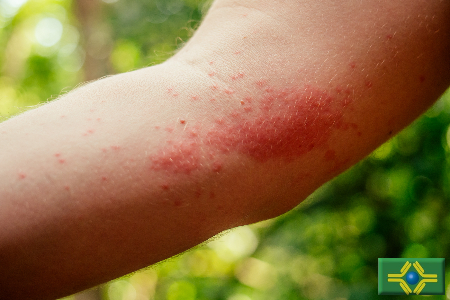
To clearly understand the clinical aspects involved in Atopic Dermatitis This is an essential step for those seeking diagnostic certainty, lasting symptom relief, and prevention of complications. In the daily practice of Allergology and Clinical Immunology, questions related to... "Tenho dermatite atópica grave com muita coceira — O médico passou pré-gabalina para melhorar" Allergy-free conditions are common among patients and their families. The goal of this page in the Brazil Allergy-Free Encyclopedia is to present a complete, accessible, and evidence-based medical analysis, detailing causes, immunological mechanisms, and safe practices.
✔ Medical and scientific content reviewed and validated. by the founding clinical staff of the Brazil Without Allergies Project
Dr. Marcello Bossois (CRM-RJ 52.73214-1) · Dr. Patricia Schlinkert (CRM/RJ 5274541-3) — more than 30 years of history in Allergy and Clinical Immunology, with units in Rio de Janeiro, São Paulo and Paraná. Last reviewed: November 2026.

Complementary Audiovisual Content: Click here to watch the full explanatory video on the official Brasil Sem Alergia YouTube channel..
O Uso da Pregabalina no Tratamento da Coceira Intensa na Dermatite Atópica Grave
A dermatite atópica grave é uma condição inflamatória crônica da pele que frequentemente cursa com episódios de prurido (coceira) intenso e persistente. Em casos selecionados e sob rigorosa orientação médica, o uso de medicamentos específicos atrelados ao sistema nervoso, como a pregabalina, pode ser considerado para auxiliar no controle dos sintomas.
Quando um paciente apresenta um quadro de dermatite atópica severa e coça a pele de maneira intensa, frequente e prolongada ao longo do tempo, as terminações nervosas localizadas na região acabam sofrendo um processo de hiperativação e sensibilização. Na prática clínica, esse fenômeno pode ser comparado a um fio elétrico que teve sua capa protetora danificada. Com o nervo exposto e hiperativado, a sensação de coceira ganha um componente neurológico, deixando de ser desencadeada apenas pelos mediadores inflamatórios tradicionais da alergia e passando a ser perpetuada por estímulos do próprio nervo sensibilizado.
Nesse contexto, substâncias como a pregabalina atuam modulando a atividade desses nervos hipersensibilizados, funcionando de maneira semelhante a um isolante que protege as fibras nervosas expostas. Essa ação ajuda a reduzir a transmissão exagerada dos impulsos de coceira e dor do local afetado para o cérebro, onde todas essas sensações são processadas e reguladas.
É fundamental destacar que o acompanhamento com a equipe médica responsável pelo seu tratamento é indispensável para esclarecer dúvidas sobre qualquer prescrição, ajustar doses e avaliar individualmente as necessidades do seu quadro clínico. Este conteúdo possui caráter exclusivamente educativo e informativo, não substituindo em hipótese alguma a consulta, o diagnóstico e a avaliação pormenorizada realizada por um médico especialista no Projeto Brasil Sem Alergia.
Developments in Evidence-Based Medicine: Pathophysiology and Staged Management of Urticaria and Angioedema
In accordance with the international guideline EAACI/GA²LEN/EuroGuiDerm/APAAACI for the management of urticaria and angioedemaDegranulation of cutaneous mast cells with the release of histamine, platelet-activating factor (PAF), and cytokines promotes vasodilation, dermal plasma extravasation (fleeting pruritic papules/hives or submucosal/subcutaneous angioedema), and cell recruitment. To distinguish histaminergic angioedema from bradykinin-mediated angioedema (associated with C1-esterase inhibitor deficiency/dysfunction — C1-INH — or the use of ACE inhibitors), the presence of hives, the response to antihistamines, and the C4 and C1-INH levels are evaluated. First-line pharmacological treatment of chronic urticaria is based on non-sedating second-generation H1 antihistamines in standard doses, which can be increased up to four times the usual dose under medical prescription before the indication of anti-IgE immunobiological therapy.
Skin Barrier Health, Immune Inflammation, and Pruritus Control
Epithelial Dysfunction, Skin Microbiome, and Delayed Sensitization
The skin acts as the first organ of immune defense in the human body. In atopic dermatitis, genetic alterations in structural proteins of the stratum corneum (such as filaggrin) and in the composition of ceramides cause transepidermal water loss, pronounced dryness, and facilitated entry of mites and aeroallergens. This microenvironment activates Th2 cytokines (especially IL-4, IL-13, and IL-31, directly linked to intense itching) and favors colonization by Staphylococcus aureus, whose superantigens perpetuate eczematous flare-ups.
Therapeutic Hydration, Skin Tests and Immunotherapy
The daily pillar of protection consists of immediate intensive hydration after quick, lukewarm showers with syndet cleansers (without alkaline soap), combined with personalized protocols of... tratamento de dermatite atópicaIn causal investigation, the allergy test (whether it's a prick test for aeroallergens or a patch test for chemicals) guides precise avoidance measures and enables the indication of allergy vaccine in patients sensitized to dust mites.
Immediate Reactions, Delayed Drug Reactions, and Risks of Self-Medication
Another critical pharmacovigilance point concerns the indiscriminate use of long-acting oral or injectable systemic corticosteroids (such as intramuscular betamethasone combinations). Although they provide apparent rapid relief, repeated applications suppress the hypothalamic-pituitary-adrenal axis, raise blood pressure and blood glucose, demineralize bone mass, weaken immunity against infections, and can cause local neuropathic pain when improperly applied to the gluteal region.
Importance of Differential Diagnosis and Detailed Medical History
Na especialidade de Alergia e Imunologia, dois pacientes com sintomas aparentemente semelhantes envolvendo Dermatite Atópica podem apresentar mecanismos fisiopatológicos completamente distintos. Por essa razão, a história clínica minuciosa — investigando cronologia das crises, ambiente domiciliar e profissional, histórico familiar de atopia, uso de fármacos concomitantes e hábitos alimentares — funciona como bússola indispensável para interpretar corretamente exames laboratoriais (como dosagem de IgE total e específica) e provas funcionais. Um resultado laboratorial isolado jamais substitui o julgamento clínico presencial ou por telemedicina especializada, prevenindo diagnósticos equivocados e tratamentos desnecessários.
Environmental Prevention, Therapeutic Adherence, and Continuous Monitoring
Long-term success in managing allergic and immunological conditions depends directly on the alliance between targeted medical treatment and daily educational measures. Maintaining well-ventilated environments free from accumulated household dust, preserving the physiological hydration of mucous membranes and the skin barrier, strictly adhering to the schedules and technique for using prescribed preventive medications, and conducting periodic check-ups allow for the stabilization of subclinical inflammation before it progresses to acute exacerbations.
Clinical Safety Criteria and Warning Signs in Allergology
Early recognition of warning signs requiring priority medical reassessment is part of the health education of every patient and their family. Symptoms such as progressive dyspnea (difficulty breathing or speaking in complete sentences), refractory wheezing, sudden edema of the lips, tongue, or glottis, dizziness due to a drop in blood pressure, persistent fever associated with skin lesions or mucous membrane involvement require immediate emergency care, followed by a structured allergy investigation to prevent future recurrences.
Conclusion and Summary of Guidelines
In summary, the appropriate approach to Atopic Dermatitis It requires a clear understanding of the immunological mechanisms involved, precise etiological diagnosis, and individualized medical follow-up. Avoiding self-medication and investigating the root cause of symptoms—relying on specialized resources and reliable guidance such as specialized allergy and immunology care when clinically relevant—is the safest way to control flare-ups, prevent complications, and ensure sustainable quality of life.
Scientific references and institutional guidelines
The educational guidelines on this portal follow the clinical consensus of the leading medical societies of Allergy and Immunology:


