


I have very itchy eyes, throat, stuffy nose and a lot of sneezing — What could it be?
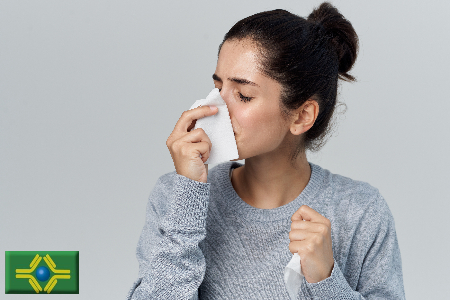
The manifestations associated with I have a lot of itching in my eyes, throat, These issues raise important clinical questions and require specialized guidance to avoid the risks of self-medication or unnecessary restrictions. When addressing the topic "I have very itchy eyes, throat, stuffy nose and a lot of sneezing — What could it be?"This educational guide brings together the practical knowledge of the medical team from the Brazil Without Allergies Project in order to clarify the triggering factors, the most accurate diagnostic tests, and the modern therapeutic strategies currently available.
✔ Medical and scientific content reviewed and validated. by the founding clinical staff of the Brazil Without Allergies Project
Dr. Marcello Bossois (CRM-RJ 52.73214-1) · Dr. Patricia Schlinkert (CRM/RJ 5274541-3) — more than 30 years of history in Allergy and Clinical Immunology, with units in Rio de Janeiro, São Paulo and Paraná. Last reviewed: November 2026.

Complementary Audiovisual Content: Click here to watch the full explanatory video on the official Brasil Sem Alergia YouTube channel..
Understanding the Relationship Between Itchy Eyes, Stuffy Nose and Sneezing
Presenting symptoms such as intense itchy eyes, throat irritation, stuffy nose and frequent episodes of sneezing is a very common complaint in allergology and immunology offices. Often, the patient may believe that these are isolated problems in different parts of the body, but the upper airways form an integrated and highly communicating system. This anatomical and functional proximity means that inflammatory processes in one region often affect the others.
A classic example of this interaction is allergic rhinoconjunctivitis. It is common for patients with nasal inflammation to undergo several ophthalmological consultations without finding definitive relief from itchy eyes, as the treatment is focused only on the eyes. In these cases, the ophthalmologist often refers the patient to the specialized allergy service. Clinical reasoning involves investigating whether the eye problem is isolated or whether it is part of a systemic condition originating in the nose. When itchy eyes result from a nasal allergy, the isolated use of eye drops or ophthalmic ointments only brings temporary relief, as the treatment does not target the true cause of the problem.
The Importance of Accurate Diagnosis and Appropriate Treatment
To control the condition effectively, it is essential to investigate the origin of the inflammation through a detailed medical evaluation. The diagnostic process generally includes:
- Thorough clinical consultation with a specialist doctor;
- Additional imaging exams, when necessary;
- Allergy tests (such as prick testing or prick test) to identify the agents causing the allergic reaction.
With the diagnosis properly established, the therapeutic plan can be drawn up. Although symptomatic medications and environmental control guidelines are essential to reduce inflammation and provide immediate relief, the only treatment capable of modifying the natural history of allergic disease and teaching the body not to overreact to allergens is allergen-specific immunotherapy, popularly known as the allergy vaccine.
We emphasize that this content is strictly educational and informative in nature, not replacing under any circumstances the consultation, diagnosis and individualized assessment carried out by a specialist doctor at Projeto Brasil Sem Alergia or its service network.
Developments in Evidence-Based Medicine: Pathophysiology and Staged Management of Urticaria and Angioedema
In accordance with the international guideline EAACI/GA²LEN/EuroGuiDerm/APAAACI for the management of urticaria and angioedemaDegranulation of cutaneous mast cells with the release of histamine, platelet-activating factor (PAF), and cytokines promotes vasodilation, dermal plasma extravasation (fleeting pruritic papules/hives or submucosal/subcutaneous angioedema), and cell recruitment. To distinguish histaminergic angioedema from bradykinin-mediated angioedema (associated with C1-esterase inhibitor deficiency/dysfunction — C1-INH — or the use of ACE inhibitors), the presence of hives, the response to antihistamines, and the C4 and C1-INH levels are evaluated. First-line pharmacological treatment of chronic urticaria is based on non-sedating second-generation H1 antihistamines in standard doses, which can be increased up to four times the usual dose under medical prescription before the indication of anti-IgE immunobiological therapy.
Unified Airway: Management of Rhinitis, Rhinosinusitis and Nasal Hypersensitivity
Inflammation of the Respiratory Mucosa, House Mites, and Local Complications
Under the medical concept of a 'single airway', uncontrolled inflammation of the nasal cavities and paranasal sinuses directly impacts the ears (Eustachian tube dysfunction), eyes (rhinoconjunctivitis), sleep quality, and bronchi. In specific subgroups, such as Aspirin-Exacerbated Respiratory Disease (AERD), recurrent nasal polyposis, asthma, and intolerance to COX-1 inhibitor anti-inflammatory drugs are also present, requiring specialized diagnosis to restore the sense of smell and respiratory patency.
Nasal Wash, Safe Topical Sprays, and Desensitizing Immunotherapy
Daily nasal washing with isotonic saline mechanically removes allergens, pollutants and inflammatory mediators, enhancing the safe topical action of prescribed sprays (always applied by directing the nozzle towards the side wall of the nose, away from the septum). To go beyond palliative relief, perform allergy test allows you to structure the rhinitis vaccine at your fingertips with allergy vaccine, the only resource capable of re-educating the immune response to respiratory allergens.
Environmental Prevention, Therapeutic Adherence, and Continuous Monitoring
Long-term success in managing allergic and immunological conditions depends directly on the alliance between targeted medical treatment and daily educational measures. Maintaining well-ventilated environments free from accumulated household dust, preserving the physiological hydration of mucous membranes and the skin barrier, strictly adhering to the schedules and technique for using prescribed preventive medications, and conducting periodic check-ups allow for the stabilization of subclinical inflammation before it progresses to acute exacerbations.
Clinical Safety Criteria and Warning Signs in Allergology
Early recognition of warning signs requiring priority medical reassessment is part of the health education of every patient and their family. Symptoms such as progressive dyspnea (difficulty breathing or speaking in complete sentences), refractory wheezing, sudden edema of the lips, tongue, or glottis, dizziness due to a drop in blood pressure, persistent fever associated with skin lesions or mucous membrane involvement require immediate emergency care, followed by a structured allergy investigation to prevent future recurrences.
Impact on Quality of Life, Sleep, and Systemic Well-being
In addition to the direct physical manifestations, uncontrolled conditions linked to I have a lot of itching in my eyes, throat, profoundly interfere with the architecture of restful sleep, the ability to concentrate at school and work and emotional balance. Chronic stress, through neuroendocrine mediators and epithelial alarmins, feeds back the immune inflammatory response. In this way, instituting a comprehensive approach to clinical and environmental rehabilitation restores the individual's daily autonomy and global well-being.
Conclusion and Summary of Guidelines
It is concluded that the efficient management of issues related to I have a lot of itching in my eyes, throat, It relies on the combination of high-quality scientific information, environmental prevention, and therapy tailored to each patient's profile. In the face of persistent or recurring symptoms, seeking evaluation with an allergist and immunologist—integrating thorough diagnostic investigation and established options for specialized allergy and immunology care whenever indicated—ensures clinical safety and lasting health protection.
Scientific references and institutional guidelines
The educational guidelines on this portal follow the clinical consensus of the leading medical societies of Allergy and Immunology:


