


Eu tomei a vacina para Pneumonia Polivalente-23 — Preciso tomar a Pneumo-13? — Quando tomar de novo?
When symptoms or doubts arise involving PneumoniaDistinguishing between scientifically validated information and palliative care makes all the difference in the evolution of respiratory, skin, and systemic health. This page aims to deepen understanding of... "Eu tomei a vacina para Pneumonia Polivalente-23 — Preciso tomar a Pneumo-13? — Quando tomar de novo?", providing clear context on how the immune system reacts, which signs require medical attention, and how to structure individualized and effective care.
✔ Medical content reviewed and validated by the founding clinical staff of the Brazil Without Allergies Project
Dr. Marcello Bossois (CRM-RJ 52.73214-1) · Dr. Patricia Schlinkert (CRM/RJ 5274541-3) — more than 30 years of history in Allergy and Immunology, with units in Rio de Janeiro, São Paulo and Paraná. Last reviewed: November 2026.
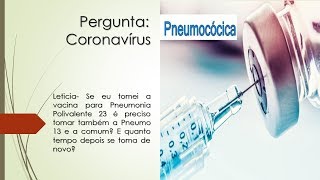
Vacinação contra Pneumonia: Qual a Diferença entre a Pneumo-13 e a Pneumo-23?
Uma dúvida muito comum nos consultórios e centros de imunização diz respeito à complementação entre as diferentes vacinas disponíveis contra infecções pneumocócicas, especialmente quando o paciente já recebeu a vacina pneumocócica polissacarídica 23-valente (Pneumo-23). Compreender as características de cada imunizante é fundamental para garantir uma proteção adequada e duradoura contra bactérias como o Streptococcus pneumoniae, principal agente causador de pneumonias bacterianas, otites, sinusites e doenças invasivas graves, como a meningite.
As principais diferenças entre as formulações residem na tecnologia utilizada para a fabricação e na forma como o sistema imunológico responde a cada uma delas:
- Vacina Pneumocócica 13-Valente (Pneumo-13): É uma vacina conjugada, o que significa que os antígenos bacterianos são acoplados a proteínas carreadoras que estimulam intensamente o sistema imunológico. Esse mecanismo induz uma forte memória imunológica de longo prazo, conferindo uma proteção duradoura que pode se estender por muitos anos (ou até décadas, dependendo do perfil do paciente). No entanto, ela protege contra 13 sorotipos específicos da bactéria.
- Vacina Pneumocócica 23-Valente (Pneumo-23): É uma vacina polissacarídica. Embora proteja contra um número maior de sorotipos bacterianos (23 tipos), os polissacarídeos não induzem uma memória imunológica duradoura a longo prazo. A proteção gerada é de qualidade, mas apresenta um período limitado de eficácia, durando em torno de cinco anos, após os quais pode ser necessário um reforço.
Se você já tomou a vacina Pneumo-23 anteriormente, não há qualquer problema, mas é preciso respeitar o intervalo correto caso deseje receber a Pneumo-13 para ampliar o espectro e a qualidade da resposta imune. De acordo com as diretrizes habituais adotadas por especialistas, o esquema sequencial ideal costuma priorizar a administração da Pneumo-13 primeiro; após um intervalo de cerca de seis meses, aplica-se a Pneumo-23 e, decorridos cinco anos desta última, pode ser indicado um reforço da Pneumo-23 para manter os níveis protetores elevados. Caso a ordem tenha sido invertida e você tenha tomado a Pneumo-23 primeiro, o recomendado é aguardar um intervalo de pelo menos um ano para então realizar a aplicação da Pneumo-13.
Além das vacinas pneumocócicas específicas, é importante destacar que existem outras imunizações relevantes para a prevenção de infecções respiratórias e pulmonares complexas — como as vacinas direcionadas contra a coqueluche (por meio da tríplice bacteriana acelular) e a vacinação anual contra a influenza (gripe), que desempenham papel sinérgico na preservação da saúde respiratória.
Nota importante: Este conteúdo possui caráter exclusivamente educativo e informativo, não substituindo em hipótese alguma a consulta, o diagnóstico e a avaliação médica individualizada com um alergista, imunologista ou especialista em saúde respiratória.
Developments in Evidence-Based Medicine: Differential Diagnosis between Food Allergy and Intolerances
The international guidelines on Food Allergy and Gastroenterology (EAACI/ASBAI) emphasize the precise pathophysiological distinction between immune-mediated food allergy — directed against specific protein fractions in food (such as casein, alpha-lactalbumin, and beta-lactoglobulin in cow's milk protein allergy; ovomucoid in eggs; or tropomyosin in crustaceans), which may be IgE-mediated (risk of immediate anaphylaxis), non-IgE-mediated, or mixed (as in eosinophilic esophagitis and allergic proctocolitis) — and enzymatic or fermentative food intolerances (such as hypolactasia/lactose intolerance and visceral hypersensitivity to fermentable carbohydrates FODMAPs), which do not involve an immune response or anaphylactic risk. The gold standard diagnosis relies on clinical history, specific IgE for molecular components (Component-Resolved Diagnostics), skin tests and, when indicated, oral provocation test (OPT) supervised, avoiding unnecessary restrictive diets.
💎 Diamond Plan — Safe immunization, even for those with a history of allergies. Speak with an Allergy and Immunology specialist via teleconsultation, from anywhere in Brazil. Schedule a teleconsultation →
Note: Subject to prior medical evaluation (in person or via telemetry/telemedicine). Immunotherapy uses allergen-specific vaccines, which requires a prescription from the attending physician and must be administered under direct medical supervision.
Safe Immunization, Immune Response, and Protection of the Allergic Patient
Vaccine Mechanisms, Excipients, and Assessment of Immune Competence
Preventive immunization represents one of the greatest achievements of medicine in reducing hospitalizations and serious infectious complications, especially in patients with chronic respiratory diseases (such as asthma and COPD), heart disease, high blood pressure, and diabetes. Patients allergic to aeroallergens, foods, or common medications do not have a general contraindication to vaccines; allergological attention focuses on the specific evaluation of rare cases of previous anaphylaxis to isolated components of the formula (such as polyethylene glycol, polysorbate, or specific protein traces), situations that now have safe assisted application protocols.
Integration between Vaccination Schedule, Allergy Tests and Baseline Monitoring
Individualized assessment by an allergist and immunologist correlates laboratory tests of cellular and humoral immunity with the patient's actual clinical history. Combining the allergy test well indicated for preventive monitoring — including allergy vaccine In cases of atopic dermatitis, and with immunostimulant vaccines when applicable, broad, safe protection based on scientific evidence is guaranteed.
Epithelial Dysfunction, Skin Microbiome, and Delayed Sensitization
In eczematous dermatitis and cases of chronic pruritus, differentiating constitutional atopy from allergic contact dermatitis (a type IV delayed hypersensitivity reaction mediated by T lymphocytes sensitized to metals, cosmetic preservatives, fragrances, resins, or rubber) is essential. Repeated exposure to the sensitizing agent maintains active skin inflammation even with the use of anti-inflammatory ointments, requiring precise identification of the triggering factor.
Clinical Safety Criteria and Warning Signs in Allergology
Early recognition of warning signs requiring priority medical reassessment is part of the health education of every patient and their family. Symptoms such as progressive dyspnea (difficulty breathing or speaking in complete sentences), refractory wheezing, sudden edema of the lips, tongue, or glottis, dizziness due to a drop in blood pressure, persistent fever associated with skin lesions or mucous membrane involvement require immediate emergency care, followed by a structured allergy investigation to prevent future recurrences.
Impact on Quality of Life, Sleep, and Systemic Well-being
Beyond the direct physical manifestations, uncontrolled pneumonia-related conditions profoundly interfere with restorative sleep patterns, concentration at school and work, and emotional balance. Chronic stress, through neuroendocrine mediators and epithelial alarmins, reinforces the immune inflammatory response. Therefore, instituting a comprehensive approach to clinical and environmental rehabilitation restores daily autonomy and overall well-being to the individual.
Importance of Differential Diagnosis and Detailed Medical History
In the specialty of Allergy and Immunology, two patients with seemingly similar symptoms involving pneumonia may present completely distinct pathophysiological mechanisms. For this reason, a thorough clinical history—investigating the chronology of crises, home and work environment, family history of atopy, use of concomitant medications, and dietary habits—serves as an indispensable compass for correctly interpreting laboratory tests (such as total and specific IgE levels) and functional tests. A single laboratory result can never replace in-person clinical judgment or specialized telemedicine, preventing misdiagnosis and unnecessary treatments.
Diamond Plan: Specialized Allergy Treatment Wherever You Are
Treating the cause of an allergy requires consistency — and consistency requires access. Diamond Plan It was designed for patients throughout Brazil who face the high cost of allergy vaccines and the difficulties of travel, offering specialized follow-up via telemedicine and easy access to immunotherapy treatment. Safe immunization, even for those with a history of allergies.
Why do patients across Brazil choose the Diamond Plan?
- Teleconsultation with a specialist In Allergy and Immunology, without queues and without long commutes — ideal for those who live far from large cities.
- easy access to Immunotherapy (including allergy vaccines and immunostimulants) — indicated for the treatment of allergic rhinitis, asthma, bronchitis, atopic dermatitis, insect/mosquito bite allergy (prurigo strophulus), recurrent candidiasis, and for increasing immunity in selected patients — capable of modifying the natural course of allergic disease, always through consultation and individualized prescription.
- A more accessible route For those facing the high cost of allergy vaccines, this plan offers support for continuity of treatment.
- Continuous monitoring based on clinical evolution, with adjustments to treatment throughout the entire therapeutic cycle.
- National coverage, backed by a consolidated physical network and a founding clinical team with over three decades of experience.
More than 30 years caring for people with allergies.
Founded and run by Dr. Marcello Bossois (CRM-RJ 52.73214-1) and by Dr. Patrícia Schlinkert (CRM/RJ 5274541-3)The Brazil Without Allergies Project adds... more than 30 years of history and more than 450,000 free services, with physical presence at Rio de Janeiro, São Paulo and Paraná, one mobile clinic bus that brings testing and consultations to communities with limited access to specialized care and a platform of telemedicine which connects patients from all states to the same standard of care.
START TODAY
Your expert consultation is just a click away.
I want to join the Diamond Plan.Schedule a teleconsultation
Official telemedicine environment: brasilsemalergia.online
Do you prefer to be served in person?
Our clinical units They conduct consultations, allergy tests, and immunotherapy follow-up with doctors in person:
- Rio de Janeiro: Realengo (West Zone), North Zone, Duke of Caxias, Xerém, New Iguaçu, Itaguaí, Niterói, Iguaba Grande and Saint Peter of the Village (Lakes Region).
- São Paulo: Campo Limpo (South Zone).
- Paraná: Curitiba.
Schedule your in-person appointment. Or check the mobile bus schedule through the customer service center on WhatsApp. (21) 99954-5632.
The indication for immunotherapy, and for any treatment, depends on an individual medical evaluation. This content is for informational purposes only and does not replace consultation with a specialist.
Note: Subject to prior medical evaluation (in person or via telemetry/telemedicine). Immunotherapy uses allergen-specific vaccines, which requires a prescription from the attending physician and must be administered under direct medical supervision.
Conclusion and Summary of Guidelines
In summary, the appropriate approach to Pneumonia This requires a clear understanding of the immunological mechanisms involved, precise etiological diagnosis, and individualized medical follow-up. Avoid self-medication and investigate the root cause of symptoms—relying on specialized resources and reliable guidance such as... rhinitis treatment When clinically relevant, it is the safest way to manage crises, prevent complications, and ensure sustainable quality of life.
Scientific references and authoritative sources
The guidelines on this page follow the guidelines and literature of leading international Allergy and Immunology institutions. For further information:


