


Tomei Beta 30 pela primeira vez e meu rosto está inchado — O que eu posso fazer?
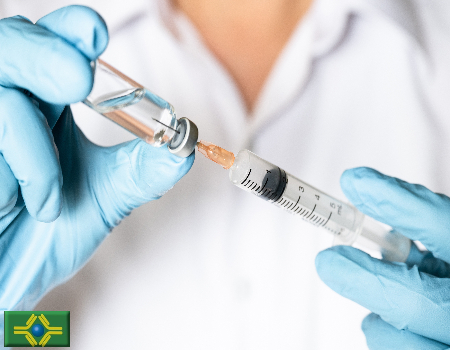
In the realm of allergic and immune-mediated diseases, the topic Beta 30 It occupies a prominent position due to the frequency with which it impacts the daily well-being of children, adults, and the elderly. This publication was prepared with the purpose of fully elucidating the issue. "Tomei Beta 30 pela primeira vez e meu rosto está inchado — O que eu posso fazer?", offering a structured overview from pathophysiology to diagnostic investigation and the safe prevention of new crises.
✔ Medical and scientific content reviewed and validated. by the founding clinical staff of the Brazil Without Allergies Project
Dr. Marcello Bossois (CRM-RJ 52.73214-1) · Dr. Patricia Schlinkert (CRM/RJ 5274541-3) — more than 30 years of history in Allergy and Clinical Immunology, with units in Rio de Janeiro, São Paulo and Paraná. Last reviewed: November 2026.

Complementary Audiovisual Content: Click here to watch the full explanatory video on the official Brasil Sem Alergia YouTube channel..
Esclarecimento Médico Especializado: Entenda o Quadro Clínico
Pergunta feita nas nossas mídias sociais e e-mail: e-mail: This email address is being protected from spambots. You need JavaScript enabled to view it. Aline- Eu tomei Beta 30 pela primeira vez e meu rosto está inchado. O que eu devo fazer? Link do vídeo no YouTube.
Developments in Evidence-Based Medicine: Pharmacokinetics and Safety of Corticosteroids
The consolidated guidelines of Evidence-Based Medicine (GINA, ARIA, and Allergy and Endocrinology consensus) establish a strict distinction between the... topical/inhaled corticosteroids — which act locally on the respiratory or cutaneous mucosa with minimal systemic bioavailability and constitute the safe basis for chronic anti-inflammatory control — and the Systemic corticosteroids (oral or injectable depot corticosteroids, such as the combination of betamethasone dipropionate and disodium phosphate)Injectable depot formulations maintain prolonged release for weeks, promoting suppression of the hypothalamic-pituitary-adrenal axis (risk of secondary adrenal insufficiency), hyperglycemia, hypertension, fluid retention, bone demineralization, subcapsular cataracts, and immunosuppression, and should not be used as maintenance therapy for rhinitis, asthma, or urticaria.
Pathophysiology of Urticaria and Angioedema: Safe Diagnosis and Management
Mast Cell Activation, Histamine, and the Bradykinin Pathway
When isolated recurrent angioedema occurs without surrounding pruritic plaques, immunological reasoning must distinguish histaminergic conditions from those mediated by bradykinin—including hereditary or acquired angioedema due to functional or quantitative deficiency of C1-esterase inhibitor (C1-INH) and reactions induced by angiotensin-converting enzyme (ACE) inhibitor antihypertensive drugs. This differentiation is vital because bradykinin-related angioedema does not respond to conventional antihistamines or corticosteroids.
Therapeutic Escalation without Overuse of Corticosteroids
Identifying aggravating cofactors—especially the use of nonsteroidal anti-inflammatory drugs (NSAIDs), acute stress, and physical stimuli—is part of the specialized consultation. Through the allergy test well-indicated and requiring continuous monitoring aimed at stabilizing mast cells and, in patients with atopic respiratory comorbidities, at allergy vaccineComplete control of symptoms is achieved while preserving overall health.
Conclusion and Summary of Guidelines
It is concluded that the efficient management of issues related to Beta 30 It relies on the combination of high-quality scientific information, environmental prevention, and therapy tailored to each patient's profile. In the face of persistent or recurring symptoms, seek evaluation with an allergist and immunologist—integrating thorough diagnostic investigation and established treatment options. rhinitis treatment Whenever indicated — ensures clinical safety and long-lasting health protection.
Scientific references and institutional guidelines
The educational guidelines on this portal follow the clinical consensus of the leading medical societies of Allergy and Immunology:


