


My daughter has Atopic Dermatitis and itches a lot — How can these itches and wounds be cured?
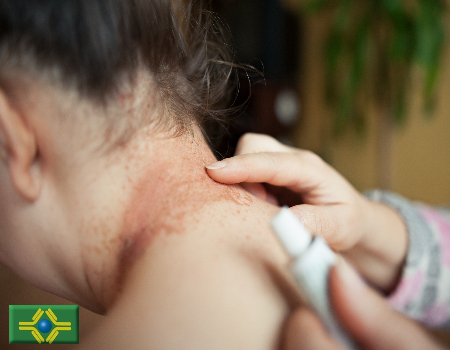
In the realm of allergic and immune-mediated diseases, the topic Atopic Dermatitis It occupies a prominent position due to the frequency with which it impacts the daily well-being of children, adults, and the elderly. This publication was prepared with the purpose of fully elucidating the issue. "My daughter has Atopic Dermatitis and itches a lot — How can these itches and wounds be cured?", offering a structured overview from pathophysiology to diagnostic investigation and the safe prevention of new crises.
✔ Medical and scientific content reviewed and validated. by the founding clinical staff of the Brazil Without Allergies Project
Dr. Marcello Bossois (CRM-RJ 52.73214-1) · Dr. Patricia Schlinkert (CRM/RJ 5274541-3) — more than 30 years of history in Allergy and Clinical Immunology, with units in Rio de Janeiro, São Paulo and Paraná. Last reviewed: November 2026.

Complementary Audiovisual Content: Click here to watch the full explanatory video on the official Brasil Sem Alergia YouTube channel..
Understanding and Managing Childhood Atopic Dermatitis
Atopic dermatitis is a chronic inflammatory skin condition that frequently affects children and is usually accompanied by intense itching and injuries resulting from scratching. It is very common for patients with atopic dermatitis to also have an associated respiratory disorder, such as asthma. Although this does not occur in 100% of cases, there is a notable prevalence in the coexistence of these atopic conditions. It is a positive point when the child's respiratory condition is under control, but it is essential to direct adequate attention to treatment and ongoing skin care.
The first essential step in managing atopic dermatitis is specialized medical evaluation to correctly classify the degree of severity of the disease, which can be mild, moderate or severe. The therapeutic approach varies substantially depending on this classification:
- Light forms: They often respond well to basic care, with emphasis on daily skin hydration using hypoallergenic products free of aggressive chemical substances that could irritate the skin epithelium.
- Moderate to severe forms: They require a broader and more targeted therapeutic repertoire, which must be strictly prescribed and monitored by a specialist doctor.
The medical literature reinforces that atopic dermatitis is closely related to a change in the skin's barrier function. When this skin barrier is compromised and inflamed, it facilitates the penetration of allergens and irritants into the body, which triggers exacerbated immunological reactions and intensifies the cycle of itching and inflammation. This principle of barrier protection applies to the entire organism, also covering the integrity of the respiratory and intestinal mucosa.
Therefore, early treatment and strict care for the integrity of the body's barriers are essential for controlling allergic diseases, whether dermatological or respiratory. If your daughter presents persistent symptoms or wounds resulting from itching, it is essential to seek support from a doctor specializing in Allergy and Immunology for an individualized, safe and effective care plan.
Important note: This content is strictly educational and informative in nature and does not under any circumstances replace consultation, diagnosis or specialized medical advice.
Developments in Evidence-Based Medicine: Pathophysiology and Staged Management of Urticaria and Angioedema
In accordance with the international guideline EAACI/GA²LEN/EuroGuiDerm/APAAACI for the management of urticaria and angioedemaDegranulation of cutaneous mast cells with the release of histamine, platelet-activating factor (PAF), and cytokines promotes vasodilation, dermal plasma extravasation (fleeting pruritic papules/hives or submucosal/subcutaneous angioedema), and cell recruitment. To distinguish histaminergic angioedema from bradykinin-mediated angioedema (associated with C1-esterase inhibitor deficiency/dysfunction — C1-INH — or the use of ACE inhibitors), the presence of hives, the response to antihistamines, and the C4 and C1-INH levels are evaluated. First-line pharmacological treatment of chronic urticaria is based on non-sedating second-generation H1 antihistamines in standard doses, which can be increased up to four times the usual dose under medical prescription before the indication of anti-IgE immunobiological therapy.
Skin Barrier Health, Immune Inflammation, and Pruritus Control
Epithelial Dysfunction, Skin Microbiome, and Delayed Sensitization
In eczematous dermatitis and cases of chronic pruritus, differentiating constitutional atopy from allergic contact dermatitis (a type IV delayed hypersensitivity reaction mediated by T lymphocytes sensitized to metals, cosmetic preservatives, fragrances, resins, or rubber) is essential. Repeated exposure to the sensitizing agent maintains active skin inflammation even with the use of anti-inflammatory ointments, requiring precise identification of the triggering factor.
Therapeutic Hydration, Skin Tests and Immunotherapy
Controlling the itch-scratch cycle requires ongoing management of subclinical inflammation through... vaccine for dermatitis, topical corticosteroid-sparing immunomodulators and administration of allergy test appropriate to the lesion profile. When household allergens play a significant role in worsening skin conditions, the indication for allergy vaccine It works by reducing immune hyper-reactivity and significantly spacing out relapses.
Epithelial Barrier, Eosinophilic Inflammation, and Intestinal Permeability
Immune-mediated disorders of the gastrointestinal tract—including eosinophilic esophagitis, celiac disease, and non-celiac gluten sensitivity—share alterations in the integrity of the tight junctions of the digestive epithelium. In eosinophilic esophagitis, frequently associated with rhinitis, asthma, and atopic dermatitis, eosinophil infiltration of the esophageal wall causes dysphagia, food impaction, and symptoms that mimic gastroesophageal reflux refractory to proton pump inhibitors.
Lower Airway Hyperreactivity and the Role of Inhalation Therapy
Objective monitoring through spirometry (pulmonary function test with bronchodilator test) is indispensable even during periods when the patient believes they are asymptomatic, as it detects silent obstructions in small airways. Modern inhaled corticosteroids act directly on the respiratory mucosa in doses measured in micrograms, offering high systemic safety, reducing severe exacerbations, and protecting respiratory capacity in the long term.
Immediate Reactions, Delayed Drug Reactions, and Risks of Self-Medication
Drug hypersensitivity reactions encompass distinct immunological and pharmacological mechanisms: from immediate reactions (up to one to six hours after dosing, manifested by urticaria, labial or palpebral angioedema, bronchospasm, and anaphylaxis, common with COX-1 inhibitor analgesics and beta-lactams) to delayed drug eruptions mediated by T cells, such as maculopapular rashes and DRESS syndrome — a systemic condition that arises weeks after the start of anticonvulsants, sulfones, or allopurinol, presenting with fever, lymphadenomegaly, eosinophilia, and the need for immediate discontinuation under hospital supervision.
Vaccine Mechanisms, Excipients, and Assessment of Immune Competence
In assessing the competence of the immune system—whether in recurrent infections, laboratory alterations in immunoglobulins (IgG, IgA, IgM, IgE), or in people living with HIV under monitoring of CD4 T lymphocyte counts—a careful distinction is made between the use of inactivated/subunit vaccines (widely safe even in immunocompromised individuals) and live attenuated vaccines, whose indication depends on the degree of preservation of cellular immunity. Furthermore, patients undergoing allergy immunotherapy can maintain their vaccination schedule, respecting only small operational intervals as directed by the medical team.
Impact on Quality of Life, Sleep, and Systemic Well-being
Beyond the direct physical manifestations, uncontrolled conditions linked to Atopic Dermatitis profoundly interfere with restorative sleep patterns, concentration at school and work, and emotional balance. Chronic stress, through neuroendocrine mediators and epithelial alarmins, reinforces the immune inflammatory response. Therefore, instituting a comprehensive approach to clinical and environmental rehabilitation restores daily autonomy and overall well-being of the individual.
Importance of Differential Diagnosis and Detailed Medical History
In the specialty of Allergy and Immunology, two patients with apparently similar symptoms involving Atopic Dermatitis may present completely different pathophysiological mechanisms. For this reason, a detailed clinical history — investigating the chronology of crises, home and professional environment, family history of atopy, use of concomitant drugs and eating habits — serves as an indispensable compass to correctly interpret laboratory tests (such as total and specific IgE levels) and functional tests. An isolated laboratory result never replaces in-person clinical judgment or specialized telemedicine, preventing mistaken diagnoses and unnecessary treatments.
Environmental Prevention, Therapeutic Adherence, and Continuous Monitoring
Long-term success in managing allergic and immunological conditions depends directly on the alliance between targeted medical treatment and daily educational measures. Maintaining well-ventilated environments free from accumulated household dust, preserving the physiological hydration of mucous membranes and the skin barrier, strictly adhering to the schedules and technique for using prescribed preventive medications, and conducting periodic check-ups allow for the stabilization of subclinical inflammation before it progresses to acute exacerbations.
Conclusion and Summary of Guidelines
It is concluded that the efficient management of issues related to Atopic Dermatitis It relies on the combination of high-quality scientific information, environmental prevention, and therapy tailored to each patient's profile. In the face of persistent or recurring symptoms, seeking evaluation with an allergist and immunologist—integrating thorough diagnostic investigation and established options for specialized allergy and immunology care whenever indicated—ensures clinical safety and lasting health protection.
Scientific references and institutional guidelines
The educational guidelines on this portal follow the clinical consensus of the leading medical societies of Allergy and Immunology:


