


Minha filha tem Asma Brônquica, Rinite Alérgica e Alergia Alimentar — Como fazer o tratamento?
The manifestations associated with Rinite Alérgica These issues raise important clinical questions and require specialized guidance to avoid the risks of self-medication or unnecessary restrictions. When addressing the topic "Minha filha tem Asma Brônquica, Rinite Alérgica e Alergia Alimentar — Como fazer o tratamento?"This educational guide brings together the practical knowledge of the medical team from the Brazil Without Allergies Project in order to clarify the triggering factors, the most accurate diagnostic tests, and the modern therapeutic strategies currently available.
✔ Medical content reviewed and validated by the founding clinical staff of the Brazil Without Allergies Project
Dr. Marcello Bossois (CRM-RJ 52.73214-1) · Dr. Patricia Schlinkert (CRM/RJ 5274541-3) — more than 30 years of history in Allergy and Immunology, with units in Rio de Janeiro, São Paulo and Paraná. Last reviewed: November 2026.
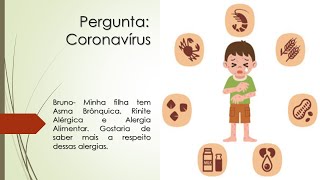
Entendendo o Tratamento da Asma Brônquica, Rinite Alérgica e Alergia Alimentar
A convivência simultânea com a asma brônquica, a rinite alérgica e a alergia alimentar em uma mesma criança é uma situação clínica bastante conhecida na imunologia, frequentemente referida como marcha atópica. Esse processo descreve a evolução na qual o paciente, muitas vezes apresentando um quadro alérgico inicial, desenvolve outras manifestações ao longo do tempo, como a dermatite atópica ou novos episódios respiratórios e alimentares.
Diante desse cenário complexo, o acompanhamento médico especializado torna-se indispensável. O principal objetivo do tratamento é manter as mucosas respiratórias e o organismo devidamente controlados, evitando que processos inflamatórios iniciais — como uma rinite mal controlada — evoluam para complicações mais sérias, a exemplo de rinossinusites ou crises de asma acompanhadas de falta de ar.
Manter a doença alérgica estabilizada é fundamental não apenas para a qualidade de vida diária da criança, mas também para assegurar a preservação da função pulmonar e a integridade do sistema imunológico. Vias aéreas cronicamente inflamadas podem apresentar maior suscetibilidade a infecções virais e respiratórias, tornando o controle rigoroso da inflamação uma prioridade clínica absoluta, especialmente em contextos de circulação de vírus respiratórios.
O conteúdo acima possui caráter estritamente educativo e informativo, não substituindo em hipótese alguma a consulta, o diagnóstico e a avaliação individualizada com um médico especialista em Alergia e Imunologia.
Developments in Evidence-Based Medicine: Cutaneous Immunopathology and Restoration of the Epithelial Barrier
Evidence-based medicine demonstrates that chronic inflammatory dermatoses involve the interaction between epidermal barrier dysfunction (such as mutations or reduced expression of the protein). filaggrin and ceramides in the stratum corneum in atopic dermatitis, facilitating transepidermal water loss and the penetration of aeroallergens and staphylococcal antigens) and polarized immune activation (predominance of Th2/Th22 with IL-4, IL-13 and IL-31 in atopic dermatitis; delayed-type IV hypersensitivity mediated by T lymphocytes in allergic contact eczema diagnosed by contact test / patch test; and the IL-23/Th17/TNF-α axis in psoriasis). Structured management combines intensive restorative hydration, inflammation control with topical corticosteroids or calcineurin inhibitors (proactive therapy), eradication of proven triggers, and, in aeroallergen-sensitized or severe cases, specific immunotherapy and targeted therapies.
💎 Diamond Plan — Well-controlled asthma shouldn't require frequent trips to the emergency room. Talk to an Allergy and Immunology specialist via teleconsultation, from anywhere in Brazil. Schedule a teleconsultation →
Note: Subject to prior medical evaluation (in person or via telemetry/telemedicine). Immunotherapy uses allergen-specific vaccines, which requires a prescription from the attending physician and must be administered under direct medical supervision.
Mechanisms of Food Allergy, Accurate Diagnosis and Nutritional Management
IgE-Mediated Allergy, Mixed Allergy, and Difference from Enzyme Intolerances
The immune system associated with the gastrointestinal mucosa normally functions by maintaining oral tolerance to thousands of dietary proteins. When this immune barrier is broken—influenced by genetic predisposition, dysbiosis of the intestinal microbiota, or immaturity of secretory IgA in childhood—intact protein fractions sensitize mast cells and basophils. Therefore, a single positive blood test reflects only biological sensitization and should always be correlated with the clinical history and, when necessary, with a supervised oral food challenge in a medical setting.
Label Reading, Desensitization, and Food Safety
Avoiding restrictive, empirically based diets without diagnostic confirmation prevents significant nutritional deficiencies, especially in growing children. Proper investigation includes... allergy test specific for protein fractions and protocols of vaccine for milk allergy conducted by specialists. In selected and rigorously monitored cases, modern resources are used. allergy vaccine They complement the comprehensive care of the atopic patient.
Lower Airway Hyperreactivity and the Role of Inhalation Therapy
Bronchial asthma and allergic bronchitis are chronic inflammatory diseases of the lower airways, characterized by bronchial hyperreactivity, mucosal edema, mucus hypersecretion, and variable obstruction to expiratory airflow. When eosinophilic or allergic inflammation (type 2) remains uncontrolled over the years—or when the patient uses only short-term bronchodilators without treating the underlying inflammation—thickening of the basement membrane and hypertrophy of the bronchial smooth muscle occur, a process known as bronchial remodeling.
Inflammation of the Respiratory Mucosa, House Mites, and Local Complications
Under the medical concept of a 'single airway', uncontrolled inflammation of the nasal cavities and paranasal sinuses directly impacts the ears (Eustachian tube dysfunction), eyes (rhinoconjunctivitis), sleep quality, and bronchi. In specific subgroups, such as Aspirin-Exacerbated Respiratory Disease (AERD), recurrent nasal polyposis, asthma, and intolerance to COX-1 inhibitor anti-inflammatory drugs are also present, requiring specialized diagnosis to restore the sense of smell and respiratory patency.
Epithelial Dysfunction, Skin Microbiome, and Delayed Sensitization
The skin acts as the first organ of immune defense in the human body. In atopic dermatitis, genetic alterations in structural proteins of the stratum corneum (such as filaggrin) and in the composition of ceramides cause transepidermal water loss, pronounced dryness, and facilitated entry of mites and aeroallergens. This microenvironment activates Th2 cytokines (especially IL-4, IL-13, and IL-31, directly linked to intense itching) and favors colonization by Staphylococcus aureus, whose superantigens perpetuate eczematous flare-ups.
Vaccine Mechanisms, Excipients, and Assessment of Immune Competence
In assessing the competence of the immune system—whether in recurrent infections, laboratory alterations in immunoglobulins (IgG, IgA, IgM, IgE), or in people living with HIV under monitoring of CD4 T lymphocyte counts—a careful distinction is made between the use of inactivated/subunit vaccines (widely safe even in immunocompromised individuals) and live attenuated vaccines, whose indication depends on the degree of preservation of cellular immunity. Furthermore, patients undergoing allergy immunotherapy can maintain their vaccination schedule, respecting only small operational intervals as directed by the medical team.
Environmental Prevention, Therapeutic Adherence, and Continuous Monitoring
Long-term success in managing allergic and immunological conditions depends directly on the alliance between targeted medical treatment and daily educational measures. Maintaining well-ventilated environments free from accumulated household dust, preserving the physiological hydration of mucous membranes and the skin barrier, strictly adhering to the schedules and technique for using prescribed preventive medications, and conducting periodic check-ups allow for the stabilization of subclinical inflammation before it progresses to acute exacerbations.
Clinical Safety Criteria and Warning Signs in Allergology
Early recognition of warning signs requiring priority medical reassessment is part of the health education of every patient and their family. Symptoms such as progressive dyspnea (difficulty breathing or speaking in complete sentences), refractory wheezing, sudden edema of the lips, tongue, or glottis, dizziness due to a drop in blood pressure, persistent fever associated with skin lesions or mucous membrane involvement require immediate emergency care, followed by a structured allergy investigation to prevent future recurrences.
Diamond Plan: Specialized Allergy Treatment Wherever You Are
Living hundreds of miles from an allergist or having to interrupt treatment because of the price of vaccines shouldn't be anyone's fate. With the Diamond PlanBrazil Without Allergies brings the same high standard of care from its clinics to your home, with telemedicine consultations and a more accessible path to immunotherapy. Well-controlled asthma shouldn't depend on frequent trips to the emergency room.
Why do patients across Brazil choose the Diamond Plan?
- Teleconsultation with a specialist In Allergy and Immunology, without queues and without long commutes — ideal for those who live far from large cities.
- easy access to Immunotherapy (including allergy vaccines and immunostimulants) — indicated for the treatment of allergic rhinitis, asthma, bronchitis, atopic dermatitis, insect/mosquito bite allergy (prurigo strophulus), recurrent candidiasis, and for increasing immunity in selected patients — capable of modifying the natural course of allergic disease, always through consultation and individualized prescription.
- A more accessible route For those facing the high cost of allergy vaccines, this plan offers support for continuity of treatment.
- Continuous monitoring based on clinical evolution, with adjustments to treatment throughout the entire therapeutic cycle.
- National coverage, backed by a consolidated physical network and a founding clinical team with over three decades of experience.
More than 30 years caring for people with allergies.
Founded and run by Dr. Marcello Bossois (CRM-RJ 52.73214-1) and by Dr. Patrícia Schlinkert (CRM/RJ 5274541-3)The Brazil Without Allergies Project adds... more than 30 years of history and more than 450,000 free services, with physical presence at Rio de Janeiro, São Paulo and Paraná, one mobile clinic bus that brings testing and consultations to communities with limited access to specialized care and a platform of telemedicine which connects patients from all states to the same standard of care.
START TODAY
Your expert consultation is just a click away.
I want to join the Diamond Plan.Schedule a teleconsultation
Official telemedicine environment: brasilsemalergia.online
Do you prefer to be served in person?
Our clinical units They conduct consultations, allergy tests, and immunotherapy follow-up with doctors in person:
- Rio de Janeiro: Realengo (West Zone), North Zone, Duke of Caxias, Xerém, New Iguaçu, Itaguaí, Niterói, Iguaba Grande and Saint Peter of the Village (Lakes Region).
- São Paulo: Campo Limpo (South Zone).
- Paraná: Curitiba.
Schedule your in-person appointment. Or check the mobile bus schedule through the customer service center on WhatsApp. (21) 99954-5632.
The indication for immunotherapy, and for any treatment, depends on an individual medical evaluation. This content is for informational purposes only and does not replace consultation with a specialist.
Note: Subject to prior medical evaluation (in person or via telemetry/telemedicine). Immunotherapy uses allergen-specific vaccines, which requires a prescription from the attending physician and must be administered under direct medical supervision.
Conclusion and Summary of Guidelines
It is concluded that the efficient management of issues related to Rinite Alérgica It relies on the combination of high-quality scientific information, environmental prevention, and therapy tailored to each patient's profile. In the face of persistent or recurring symptoms, seeking evaluation with an allergist and immunologist—integrating thorough diagnostic investigation and established options for specialized allergy and immunology care whenever indicated—ensures clinical safety and lasting health protection.
Scientific references and authoritative sources
The guidelines on this page follow the guidelines and literature of leading international Allergy and Immunology institutions. For further information:


