


PART IIB: ALLERGIES
✔ Medical and scientific content reviewed and validated. by the founding clinical staff of the Brazil Without Allergies Project
Dr. Marcello Bossois (CRM-RJ 52.73214-1) · Dr. Patricia Schlinkert (CRM/RJ 5274541-3) — more than 30 years of history in Allergy and Clinical Immunology, with units in Rio de Janeiro, São Paulo and Paraná. Last reviewed: November 2026.
Overview and Expert Guidance
TEXT TRANSLATED BY GOOGLE TRANSLATOR
PART IIB: ALLERGIES
THE INCREASING PREVALENCE OF ENVIRONMENTAL AND FOOD ALLERGIES
Cases of environmental and food allergies are on the rise and are often frustrating to deal with.
treat effectively due to a lack of understanding about its causes. Rhinitis or
inflammation of the nasal mucous membranes, can lead to post-nasal drip, chronic or
recurring sinus infections, sinus pressure, headaches, and even asthma symptoms
chest tightness, shortness of breath, coughing and wheezing. Food allergies in
children and adults have reached epidemic proportions.
Most cases of environmental and food allergies are treated by primary care
providers or by patients who self-treat; however, many healthcare professionals do not
have a deep understanding of the biological mechanisms that cause allergic rhinitis
or food allergy symptoms. Furthermore, many patients who self-treat use
(OTC) medications that can actually prolong nasal symptoms and may even represent
even more serious health risks.
In this part of the book, we will explore the origins of childhood and early adulthood.
allergy epidemics and the most effective ways to fix these problems.
WHAT CAUSES YOUR NASAL ALLERGY SYMPTOMS?
A question you may have asked many times is “Why do I have these allergies?
symptoms (and other people don’t)?”
For some individuals, allergies begin in childhood. These individuals tend to inherit
genes from one or both parents that make them susceptible to allergies. Se
If one of the parents has allergies, the child has about a 40% chance of developing allergies. Se
Both parents have allergies, the child has about a 70% to 90% chance of developing
allergies. If neither parent has an allergy, the child has about a 10% to 15% chance of
develop allergies.
The genes that make someone susceptible to allergies are not the only cause of allergies
reactions. Having a reaction to allergens (substances in the environment that cause
allergic reactions), the individual must be a carrier of the allergic gene and be
environment in which the allergen is present. These are the genetic environments
interactions that lead to allergic reactions.
The prevalence of allergic diseases in the developed world is partially explained by
the hygiene hypothesis, according to which allergies are due to excessive cleaning.
In developing countries, people's immune systems are busy fighting off
bacteria, viruses, protozoa and parasites and do not have time to concentrate
relatively harmless substances such as pollens and other allergens. Node
developed world, where individuals are not as exposed to bacteria, the
immune system, looking for work, turns to fighting harmless allergens.
ATOPIC DISEASES
There are three diseases that are grouped together and known collectively as atopic.
(caused externally): atopic dermatitis (eczema), asthma and
rhinitis (ear, nose and throat symptoms). There is a phenomenon called “atopic
March", which is a progression of different atopic diseases. This usually starts with
eczema in children around four or five months of age - when they are first exposed
to solid foods. At three to four months of age (sometimes earlier and sometimes
later), some children develop upper respiratory infections, such as
syncytial virus (RSV) infection and other viral infections that lead to your first
experiences of wheezing, coughing, shortness of breath, and chest tightness (asthma
symptoms). These symptoms, often called reactive airway disease (RAD) by many
primary care physicians, may continue into adulthood or may decrease early
infancy. By age two, most children with atopy have developed allergic rhinitis.
symptoms.
Sometimes the sequence is eczema-allergic rhinitis-asthma, and sometimes it is
asthma-eczema-allergic rhinitis. If children have untreated allergic rhinitis or
poorly treated, they may develop asthma symptoms as a result; it is known
such as allergic rhinitis and its impact on asthma (ARIA). Chronic sinusitis (sinusitis is a
consequence of poorly treated rhinitis). When mucus is not drained from the
Nasal sinuses become a breeding ground for bacteria, which can lead to sinusitis.
Acute sinusitis can be caused by a viral infection. If that's the case, don't
respond to antibiotics (which are effective against bacteria); may simply have to
follow its course. It is therefore important to observe acute sinusitis for at least seven
days before the start of antibiotic therapy.
Food allergy is a fourth condition that can accompany these three atopic diseases.
Food allergies often contribute to the exacerbation of atopic dermatitis, asthma or
rhinitis. Eliminating the offending food from the child's diet can alleviate the atopic condition
symptoms of dermatitis, asthma or rhinitis.
The most common foods that cause allergies in children are peanuts, soy, milk, eggs,
wheat, barley, rye, corn, potatoes, garlic and nuts.
THE ROLE OF THE IMMUNE SYSTEM IN ALLERGIC REACTIONS
The Corps has the most effective military power known to man. It is known as the
immune system. The immune system comprises cells with specialized functions only
as Special Forces in the military.
Antigen Presenting Cells
The process of allergy sensitization begins with exposure of an allergen to an antigen-presenting cell (APC), such as macrophages, monocytes, dendritic cells, or B cells,
which I call “patrolmen” of the immune system. These cells live in the skin,
tissues and blood. These patrollers “present” an allergen to the Th0 cell,
which I call the “superhero or superman of white blood cells” because the Th0 cell can
transform into Th1 or Th2 cells, depending on the level of threat posed by the
allergen. The roles these cells play in the immune response are explained in
following paragraphs.
Action of Th0 Cell and B Cells (Bomb Making Cells)
The Th0 cell, upon encountering endotoxins, bacteria, viruses and others
organisms, it becomes a Th1 cell, which is specialized to stimulate B cells (bomb-making specialists) to produce antibodies (smart bombs called IgM and IgG) to
combating bacteria, viruses, protozoa and other non-allergic infectious pathogens.
The Th0 cell becomes a Th2 cell after exposure to allergens. In the presence of
allergens, the patrollers (antigen-presenting cells) send a signal to Superman
(Th0 cell), which turns into a Th2 cell that multiplies.
Th2 cells produce IL-4 and IL-13. IL stands for interleukin. Interleukins are
chemicals used by Th2 cells to communicate with other white blood cells. Imagine
these chemicals like the Th2 cell phone or walkie-talkie).
In addition to IL-4 and IL-13, Th2 cells also produce IL-5, which generates a late-phase allergic response by stimulating eosinophils (white blood cells specialized in
in killing parasites). Eosinophils contribute to allergic inflammation by producing
toxic proteins - major basic protein (MBP) and eosinophil cationic protein
(ECP)—both of which are involved in chronic inflammation and tissue destruction.
Th2 cells also produce cytokines, which are involved in allergic reactions; IL-3, which
stimulates the multiplication of basophils; and IL-6, which is involved in chronic inflammation.
The role of the IgE pump
Th2 cells use IL-4 and IL-13 to alert B cells to the presence of allergens. Cell B is
so versatile that it can produce IgE against any allergen (tree, grass and weeds)
pollens; dust mites; Molds; animal hair; cheap; etc.). These bomb makers
cells then manufacture a powerful bomb called IgE (a smart bomb to fight allergens). The IgE pump circulates in the blood, looking for anchoring sites – known
like IgE receptors - before it can detonate.
The Role of Mast Cells (Misery Cell #1) and Basophils (Misery Cell #2) in
Allergic response
These anchoring sites are located on two types of white blood cells – mast cells (which
I call misery cell no. 1, because they make people feel so miserable) and basophiles
(which I call Misery Cell #2). Mast cells are found in the skin and tissues, and
basophils circulate in the blood. Basophils can also enter tissues such as mast cells
He does. When circulating IgE pumps encounter anchoring sites on mast cells and
basophils, they bind to them. IgE bound to the receptors of these cells causes
armed, dangerous and ready to explode.
When an individual is exposed to an allergen that he or she has previously encountered,
the allergen enters through the nose, eventually reaching the blood system,
finds the specific IgE pumps designed for that particular allergen - which are already
on the surface of the Misery Cells - and attaches itself to them.
To summarize, bombs attach to Misery Cells and allergens attach to
bombs. Cross-linking of all IgE-pump-allergen complexes occurs on the surface
of the Misery Cells, and this is a signal for these Misery Cells to explode and spill
its preformed bioactive granules in a process called degranulation. One of
chemical granules released is histamine. Histamine is an irritant to nerve endings and
causes itching. Histamine triggers the allergic symptoms of itchy eyes, itchy nose,
itchy throat, sneezing, runny nose and sometimes itchy skin.
Other Chemicals Released by Misery Cells
If histamine were the only chemical released by mast cells and basophils, allergy would
solution would be simple: use an antihistamine and the symptoms disappear.
However, Misery Cells release many more chemicals when they degranulate (a
Full list of chemicals released by these cells can be found in my book, Allergy
Detective: Secrets to treating allergic rhinitis that your doctor may not tell you).
Two of these chemicals, leukotrienes and prostaglandins, tend to cause
allergic reactions such as stuffy nose, post-nasal drip, cough and, in asthmatics,
airway constriction resulting in wheezing, shortness of breath, and chest
tightness. In most patients, these symptoms tend to occur at night because
leukotrienes are activated at night and remain active throughout the night.
THE CORRELATION BETWEEN THE USE OF PESTICIDES AND THE ALLERGY EPIDEMIC IN
THE USA.
Allergic rhinitis
Seasonal or perennial allergic rhinitis (inflammation of the nose) can be caused by
pollen, hay, dust mites, mold, or animal dander, including cats, dogs, horses,
cattle, rabbits, gerbils, guinea pigs and hamsters. Allergic rhinitis can also be
triggered by exposure to foods such as milk, eggs, peanuts, wheat, soy, some spicy
food, seafood and fish, among others.
Perennial non-allergic rhinitis is caused by several chemical sensitivities—
cigarette smoke, wood smoke, perfumes, scented candles, air fresheners, home use
cleaning agents (Pinesol, Lysol, Clorox and ammonia), car exhaust, diesel fuel,
gasoline or freshly sprayed pesticides. Perennial non-allergic rhinitis can also be
triggered by environmental exposure to cold air, moist air, dry air or
barometric pressure. Non-allergic rhinitis can follow an infection (acute and chronic)
sinusitis, Churg-Strauss syndrome, flu, RSV infection, or the common cold) or be
caused by the use of certain medications (excessive use of decongestant nasal sprays, such as
Oxymetazoline products, floral-scented steroid nasal sprays such as fluticasone
propionate, blood pressure medications such as beta blockers, or cocaine abuse).
Non-allergic rhinitis can occur in patients with benign tumors in the nose. Examples
are nasal polyps (a growth in the nasal passages), angiofibroma (a growth
comprising fibrous tissue and blood vessels), fibrous dysplasia (abnormal growth of
bone tissue), hemangioma (abnormal growth of blood vessels),
papilloma (a unilateral wart-like growth) or osteoma (tumor of the bone tissue of the
the nose), and structural abnormalities (deviated septum, enlarged adenoids,
congestion due to pregnancy, foreign body in the nose). Remember that herbicides
such as alachlor, acetochlor, metolachlor and metolachlor-S cause nasal turbinates
tumors in animals. Lastly, and significantly, perennial non-allergic rhinitis can be
caused by hormonal changes resulting from prolonged exposure to endogenous substances.
estrogens, phytoestrogens, xenoestrogens, or other endocrine-disrupting chemicals.
Various medical causes of nasal congestion include diabetes (types 1 and 2),
gastroesophageal reflux disease (GERD), AIDS, and other immune system disorders
treatment with oral or intravenous steroids, hypothyroidism (overactive thyroid
gland), Kartagener syndrome (a genetic disease that impairs the function of the cilia, which
are the hair-like structures that normally move mucus through the respiratory tract),
stress, Wegener's granulomatosis (a rare and serious autoimmune disease) and
cystic fibrosis (a genetic disorder in which mucus is very thick and builds up). ONE
note of caution: Children who have frequent sinus infections should be tested for
cystic fibrosis.
Asthma
Asthma is a chronic inflammatory disease of the airways characterized by symptoms
wheezing, coughing, chest tightness and shortness of breath caused by
airflow obstruction and bronchospasm. Asthma is believed to be triggered by a
combination of genetic and environmental factors. Diagnosis is generally based on
pattern of symptoms, response to therapy over time, and measurement of respiration
volume. It is clinically classified according to the frequency of symptoms, forced
expiratory volume in one second (FEV1) and peak expiratory flow rate. Asthma can
can also be classified as atopic (extrinsic - caused by environmental factors) or non-atopic (intrinsic) where atopy refers to a predisposition to develop type 1
hypersensitivity (an IgE-mediated allergic reaction provoked by re-exposure to a
specific type of antigen).
Acute asthma symptoms are usually treated with short-acting inhaled beta-2.
agonist (such as albuterol, xopenex, or salbutamol) and oral corticosteroids. In a lot
severe cases, intravenous corticosteroids, magnesium sulfate and hospitalization
may be necessary. Symptoms can be avoided by avoiding triggers such as allergens
and irritants and the use of inhaled corticosteroids. Long-acting beta agonists
(LABA) or antileukotriene medications may be used in addition to inhaled corticosteroids
if asthma symptoms are not controlled. The occurrence of asthma has increased
significantly since the 1970s. In 2011, approximately 280 million people worldwide
were diagnosed with asthma, and it caused 250,000 deaths.
Atopic dermatitis
Atopic dermatitis is a skin rash that begins in children around three to five months of age
when solids are first introduced into your diet. Some children who have food allergies
You may develop eczema at the beginning of breastfeeding. A child may react to your
breast milk if the mother consumes foods that are not suitable for the child.
Sometimes environmental allergies join with food allergies to cause
dermatitis. Other times, early exposure to antibiotics for ear infections or other
respiratory infections cause eczema in children.
Treatment for eczema consists of the following:
1. Antihistamines to prevent the itching that leads to atopic dermatitis lesions.
Eczema, by definition, is itchy skin rashes. If itching is avoided, then
the rash will resolve. Hydroxyzine 10 mg/5 ml, 1-2-3 teaspoons at bedtime works
very well in children in the short term.
2. Skin moisturizers like Aquaphor or Vaniccream. Use the
moisturizer right after showering, when your skin is still damp.
3. Topical steroids, the most effective being Elocon 0.1% ointment. the
ointment works better than cream and other steroids like
Triamcinolone or hydrocortisone or even Clobetasol (favorite among
dermatologists) are not as effective as Elocon (Mometasone). From Elocon
0.1% is a potent steroid, applying just a thin layer to affected areas is
enough to clean eczema lesions. Elocon should not be applied to the face.
Use Derma-Smoothe, a gentler steroid, for your face.
4. Probiotics to replenish good gut bacteria will help treat
eczema. If you use probiotics, be sure to feed them prebiotics.
5. Vitamin D3, 35 IU/LB is important for the treatment of eczema and for
treatment of atopic diseases in children and adults.
6. SLIT (sublingual immunotherapy) for environmental and food allergens
Works well for long-term control of eczema.
Food allergies
Statistics
Recently, we have seen an increase in cases of food allergies in children and adults.
In 2007, approximately 3 million children under the age of 18 were reported to have
a food or digestive allergy in the previous 12 months. Prevalence of food
allergies among children under age 18 increased 18% percent from 1997 to
2007. Children who have food allergies are two to four times more likely to have
conditions such as asthma and other allergies.
Food allergies affect around 6% of children under the age of three.
Six and a half million Americans (or 2.3% of the general population) are allergic to
seafood, and more than 3 million people in the US report being allergic to peanuts,
nuts, or both. More than 3% of adults have one or more food allergies.
Milk allergy is the most common food allergy in childhood, affecting 2.5% of children
less than 3 years. Approximately 80% of children outgrow their milk allergy
age 16.
Egg allergy is the second most common food allergy in children, affecting 1.5%-3.2%
of children. Approximately 68% of children outgrow their egg allergy by age 16.
Peanut allergy affects 1.2% of children. Approximately 20% of children outgrow
at 6 years of age. Peanut allergy rates doubled in children from 1997-2002. Allergy is
associated only with peanut consumption; skin contact and inhalation
exposure to peanut butter is unlikely to cause systemic allergic reactions or
anaphylaxis.
Allergy to nuts (almonds, walnuts, etc.) affects 1.2% of the population.
Approximately 9% of children outgrow nut allergies by age 6.
Most peanut allergic patients can safely eat other legumes, such as soybeans or
beans (95%), but may have a concomitant allergy to nuts, such as walnuts or
pecans (25% to 50%).
Anaphylaxis occurs in 20% of allergic reactions to peanuts and tree nuts.
It is estimated that the number of food anaphylaxis cases in the US.
increased from 21,000 per year in 1999 to 51,000 per year in 2008, based on long-term population studies of anaphylaxis from the Mayo Clinic in Minnesota.
From 2003 to 2006, food allergies resulted in approximately 317,000 visits to
hospital emergencies, outpatient clinics and doctors’ offices,
according to data from several U.S. national surveys collected by the National
Center for Health Statistics. Hospital admissions related to food allergies have increased
from 2,600 per year in 1998-2000 to 9,500 per year in 2004-2006, according to this
same source.
It is estimated that food allergies cause around 150 to 200 deaths per year,
based on data from a five-year anaphylaxis study in Minnesota conducted by the
Mayo Clinic. Fatal food anaphylaxis is most often caused by peanuts (50%-62%) and
walnuts (15%-30%). Risk factors for fatal anaphylaxis include failure or delay in
administration of epinephrine, history of asthma and age range from 12 to 19 years.
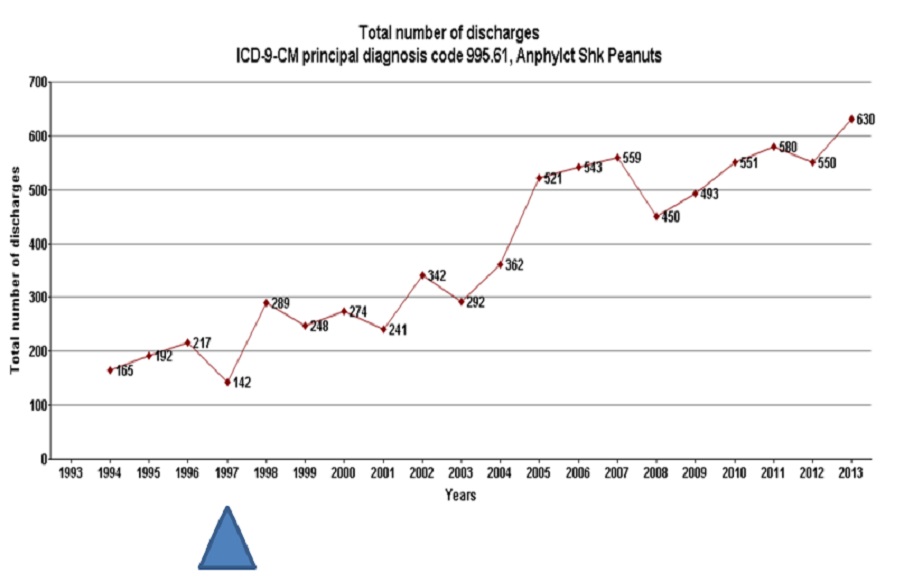
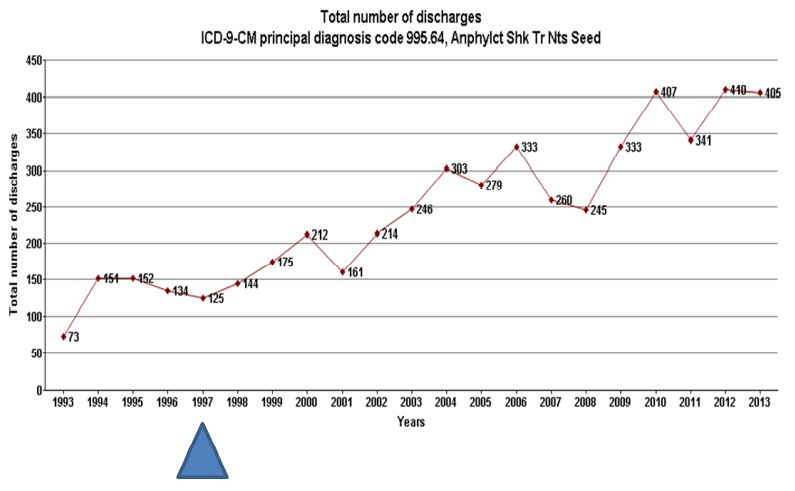
The following food allergy trend diagrams show that 1996-1997 was a turning point
(indicated by the blue triangle) on food allergy rates. What happened in 1996 that
started an upward trend in food reactions?
In agricultural production, the big change in 1996 was the widespread use of
glyphosate (the main ingredient in Roundup) in genetically modified plants.
Glyphosate is estrogenic; acts as an antibiotic to kill good gut bacteria; is a mineral
chelator; and causes tumors in animals, according to several European studies.
For more information about glyphosate, visit GreenMedInfo.com, which follows
these studies and reports on them as they appear in medical journals. Other good
Sources are the Environmental Working Group at EWG.org and Dr. Mercola's various sources
interviews with experts and magazine articles in www.mercola.com.
Figure 14. Increase in the Number of Anaphylactic Shock Cases, 1993 to
2013
 obsity8
Figure 15. Increase in the Number of Angioedema Cases, 1993 to 2013
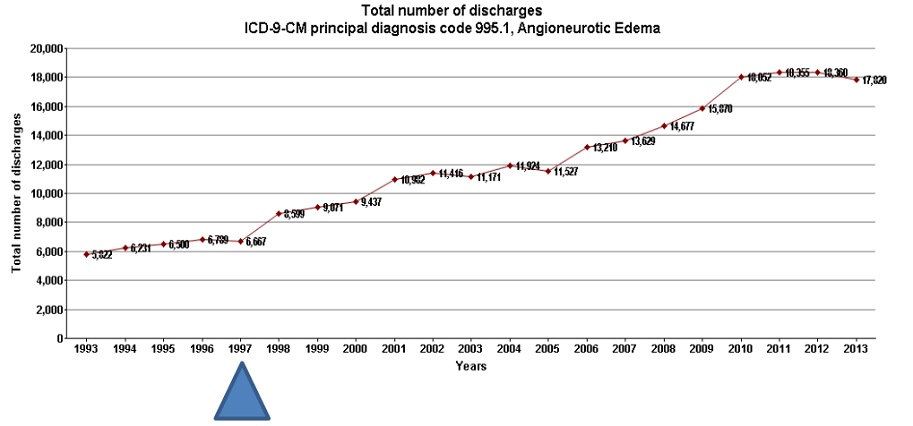
Figure 16. Increase in the Number of Cases of Anaphylactic Shock Caused
by Peanuts and Nuts, 1993 to 2013
 obsity10
 obsity11
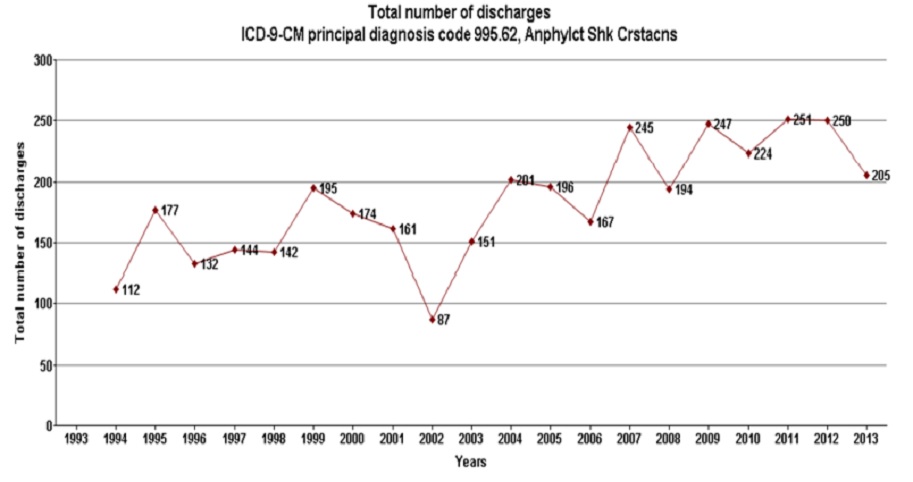
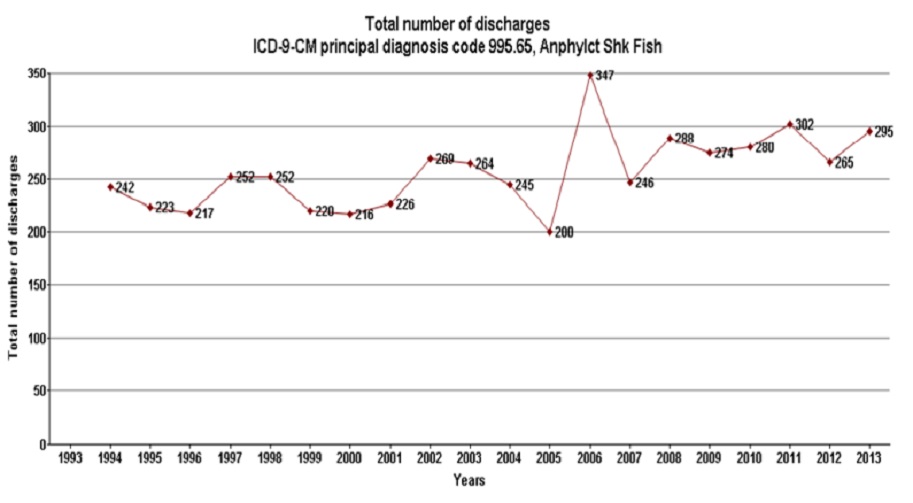
Figures 17 and 18. Rates of Anaphylactic Shock Caused by Crustaceans
and Pisces, 1993 to 2013
 obsity12
 obsity13
Figure 19. Increase in the number of cases of anaphylactic shock caused by
Fruits and Vegetables, 1993 to 2013
 obsity14
Note that allergic reactions to shellfish and fish do not follow the same
patterns such as reactions to agricultural products. There was no turning point
1996-1997, because seafood was not exposed (or not as heavily exposed) to
pesticides unless they are grown on farms.
Figure 20. Rising rates of celiac disease, 1993 to 2013
 obsity15
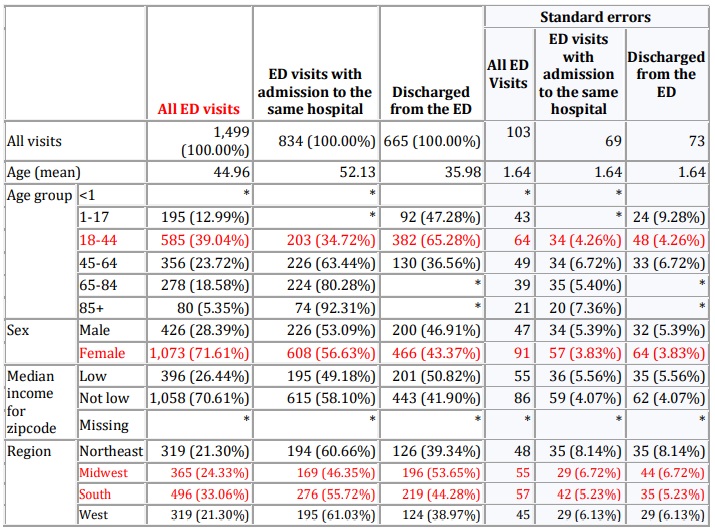
In 2013, women had more hospital discharges and more emergency consultations for celiac patients
disease than men, as shown below
Results for ICD-9-CM principal diagnosis code 579.0 Celiac Disease (2013)
 obsity16
ICD-9-CM First List Diagnosis Code 579.0 Celiac Disease (2013) Emergency Visits
 obsity17
The pathophysiology of food allergies
Food reactions can be IgE-mediated, IgG-mediated, non-IgE-mediated or non-IgG-mediated (as with pesticide reactions), estrogen-mediated
Mediated by xenoestrogens or mediated by acetylcholine.
When foods were produced naturally, food allergies were rare. On a large scale,
commercial food production – in which chemicals are used as pesticides,
preservatives and to serve other functions - led to an increased reaction to food.
Chemicals bound to food produce chemopeptides (toxpeptides or xenopeptides), and
Food-bound estrogens produce estropeptides. Chemical contamination of food
causes food molecules to be designated by the body as allergens, which are
attacked by antigen-presenting cells.
The allergic process for food is exactly the same as previously described for
respiratory allergies, starting with the actions of antigen-presenting cells and
ending with the effects on the body of the Misery Cells. Chemopeptides and
Stropeptides (antigenic peptides) are presented to Th0 cells. Th0 cells differentiate
in Th1 (through the action of IL-2, IFN-gamma) and Th2 (through the action of IL-4, IL-13), which
stimulate B cells to convert into plasma cells that produce antibodies (IgM, IgG, IgA,
IgE and minimal amounts of IgG4 insufficient for protection) against these new
antigenic peptides. Antigen presenting cells are stimulated to produce IL-1, IL-6
(which stimulates the production of C-Reactive Protein – CRP – by hepatocytes), IL-12
(which activates NK cells to produce IFN-gamma) and TNF-alpha.
Estrogenic chemicals (organochlorines, glyphosate, bisphenol A [BPA], etc.) and
Endogenous estrogens bind directly to their receptors on mast cells and basophils to
cause degranulation (allergic reactions). Intrinsic estrogens combined with extrinsic estrogens
estrogens cause more symptoms in women because women, in general, have more
intrinsic estrogens than men.
As mentioned in the section on pesticides, organophosphates and carbamates
insecticides cause acetylcholine accumulation. When acetylcholine binds to your
receptors on mast cells and basophils, this leads to degranulation. Foods that are
routinely contaminated by pesticides (peanuts, milk, soy, wheat, eggs, tree nuts,
corn, etc.), therefore, they tend to cause allergic reactions.
Conclusion: When food becomes antigenic due to pesticide contamination,
the allergic response is exactly the same as what occurs in the environment
allergies.
CHEMICALS USED IN FOOD PRODUCTION IN THE U.S.
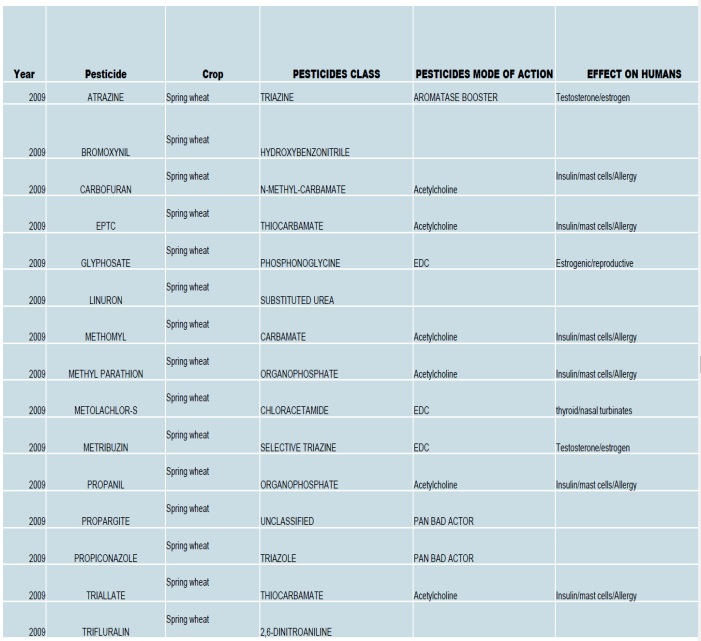
The table below shows some of the pesticides used in food production and their
effect on humans.
Table 3. Chemical Class of Pesticides, Mode of Action and Effect on Humans
The increase in celiac disease and gluten sensitivity may be directly related to
pesticides used in wheat production. Table 4 lists the many endocrine disruptors
chemicals used on wheat.
Table 4. Pesticides found in wheat
There are even more chemicals used in wheat production that are not included in the
table above. Fusarium is a mold that grows on grains (corn, barley, rye, wheat, rice)
and which produces mycoestrogens such as zeralenone. Fungicides to control
fusarium include mancozeb (which is a thyroid disruptor) and chlorotanil-daconil
(which causes dermatitis and kidney damage).
Grain-related diseases and disorders that are on the rise include the gluten sensitivity epidemic and celiac disease. Endocrine contamination of grains
disruptors may also contribute to obesity.
WHY IS PEANUT ALLERGY BECOMING MORE COMMON?
Here are some facts about peanuts:
• Peanuts are grown in the South.
• Peanut crops are alternated with cotton production.
• Peanuts require more than 40 pesticides (many of them are
organophosphate and carbamate insecticides and now glyphosate is
added).
• Cotton requires more than 100 pesticides.
• There is an increase in the pesticide load in the soil over time (POPs and new
pesticides).
• As pesticide load increases, we see an increase in people with
peanut allergies in the US over time.
• Refer to the obesity and pesticide maps in Part II of this book and remember the
discovered in the southern states.
• Allergic reactions to peanuts have increased dramatically in the US in
recent years, especially since the mid-1990s.
• I suspect that the increasing chemical load in the soil is driving this peanut
allergy epidemic.
Pesticides used in peanut production
Glyphosate and other estrogenic chemicals, as well as organophosphates and
carbamates, are used in the production of cotton and peanuts. The last two groups
of chemicals cause an increase in acetylcholine. As noted in the previous section on
pathophysiology of nasal allergy, estrogens have receptors on mast cells and basophils
which directly affect the degranulation of these cells. These estrogens also increase
IgE effect. Therefore, it is possible that the increased estrogen load in our
environment may be the reason for the growing number of people with
allergies.
Acetylcholine also has receptors on mast cells and basophils and can cause
degranulation of these cells, resulting in allergic reactions. Acetylcholine also causes
release of insulin that leads to the proliferation of mast cells and basophils and, therefore, a
increased allergic reactions. The synergistic effect of these chemicals may explain
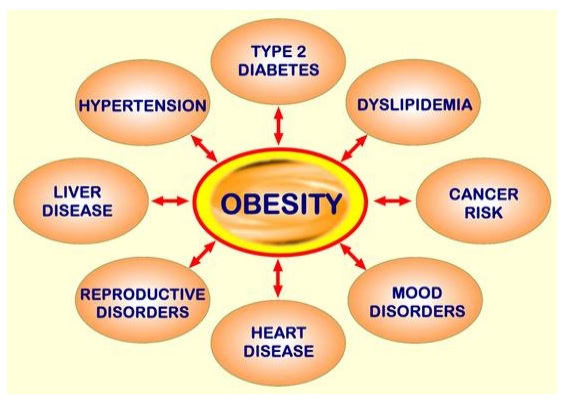
not only the growing allergy epidemic, but also the growing obesity epidemic and
increase in obesity comorbidities seen across the world.
It is worth mentioning that the two main peanut producing countries in the world do not
have the same peanut allergy epidemic found in the US and other countries
consume American peanuts. Both China and India are leaders in peanut production and
consumer countries, but there is no data indicating that children in these
countries suffer the same allergic reactions to peanuts as children in the US and
European countries that consume peanuts produced in America.
The reason for this discrepancy could probably be the production processes used. There
there is no crop rotation between peanuts and cotton, for example, in China and India, and,
therefore, the amount of pesticides used is less compared to that in the African U.S.
countries also do not use many pesticides in their peanut production and, therefore,
there are fewer cases of allergic reactions to peanuts in Africa.
THE “DIRTY DOZEN” AND “CLEAN FIFTEEN” FOODS
There are some fruits and vegetables that are more allergic (and
dangerous) to consume than others, due to pesticide contamination, and these foods
are commonly referred to as the “Dirty Dozen” by Environmental Working
Group. If possible, you should always buy organic foods from this list:
1. Apples
2. Peaches
3. Nectarines
4. Strawberries
5. Grapes
6. Celery
7. Spinach
8. Sweet pepper
9. Cucumbers
10. Cherry tomatoes
11. Peas (imported)
12. Potatoes
Additionally, peppers, cabbage and cabbage are often found as
contaminated with insecticides that are toxic to the human nervous system.
Take this list with a grain of salt because it is not exhaustive. It does not include
peanuts, which are one of the most contaminated legumes in America today.
The EWG also issues a “Clean Fifteen” list of fruits and vegetables each year, which
have the lowest amount of pesticides. In 2015, the following foods were on the list:
1. Avocado
2. Sweet corn (organic)
3. Pineapple
4. Cabbage
5. Sweet peas (frozen)
6. Onions
7. Asparagus
8. Sleeves
9. Papaya
10. Kiwi
11. Eggplant
12. Grapefruit
13. Melon
14. Cauliflower
15. Sweet potato
The EWG's 2015 key findings are as follows:
• Avocados are the cleanest of all produce: just 1% of the avocado
samples showed no detectable pesticides.
• About 89% pineapple, 82% kiwi, 80% papaya, 88% mango,
and 61% of the melon showed no residue.
• No Clean 15 fruit sample has tested positive for more than
four types of pesticides.
Scientific references and institutional guidelines
The educational guidelines on this portal follow the clinical consensus of the leading medical societies of Allergy and Immunology:


