


What is Hemolytic Disease of the Newborn?
The manifestations associated with What is Hemolytic Disease of the Newborn? These issues raise important clinical questions and require specialized guidance to avoid the risks of self-medication or unnecessary restrictions. When addressing the topic "What is Hemolytic Disease of the Newborn?"This educational guide brings together the practical knowledge of the medical team from the Brazil Without Allergies Project in order to clarify the triggering factors, the most accurate diagnostic tests, and the modern therapeutic strategies currently available.
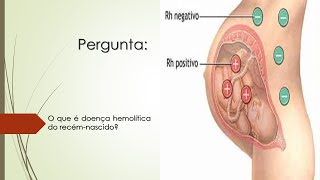
What is Hemolytic Disease of the Newborn?
Hemolytic Disease of the Newborn (HRD), also known as erythroblastosis fetalis, is an immunological condition that occurs when there is a blood incompatibility between the mother and the fetus, specifically related to the Rh factor. To understand this process, it is essential to analyze how the maternal immune system interacts with the fetus's blood cells during pregnancy.
The clinical picture classically develops when the pregnant woman has Rh-negative blood and the fetus is Rh-positive (generating the opposite scenario if the father is Rh-positive). As women with a negative Rh factor do not have this protein in their own red blood cells, the mother's body may recognize positive fetal blood as a foreign body if contact occurs between the circulations. When this happens, the mother's immune system reacts by producing specific IgG antibodies against the baby's Rh factor.
This immunological response is classified as a type 2 hypersensitivity reaction (cytotoxic), in which maternal antibodies cross the placenta and attack the fetal red blood cells, causing their destruction (hemolysis). This mechanism can cause serious complications for child development, in addition to significant risks during pregnancy.
Important aspects of awareness and prevention
- First pregnancy versus subsequent pregnancies: In the first pregnancy with Rh incompatibility, the risk is usually lower, as the exposure time is generally not enough to fully sensitize the mother. However, in subsequent pregnancies with an Rh-positive fetus, the mother's body already has immunological memory, which accelerates the production of antibodies.
- Preventive measures: Women with a negative Rh factor require strict medical monitoring during and after pregnancy. There are specific preventive protocols, such as the administration of anti-D immunoglobulin, which aims to suppress the maternal immune response and protect future pregnancies.
This content is strictly educational and informative in nature and does not under any circumstances replace consultation, diagnosis and specialized medical follow-up with an obstetrician or immunologist.
Development in Evidence-Based Medicine: Inborn Errors of Immunity and Immunodysregulation
From the perspective of Evidence-Based Medicine and the updated classification of International Union of Immunological Societies (IUIS), the investigation of inborn errors of immunity (primary immunodeficiencies) requires integration between clinical history (recurrent sinopulmonary or invasive infections, autoimmune cytopenias, chronic enteropathies, lymphoproliferation and severe eczema), functional assessment of the humoral response (measurement of IgG, IgA, IgM and IgE immunoglobulins adjusted for age group, IgG subclasses, isohemagglutinins and titration of specific post-vaccination antibodies to protein and polysaccharide antigens), lymphocyte immunophenotyping by flow cytometry (CD3 T subpopulations+, CD4+, CD8+, FOXP3 regulatory T cells+, double-negative T cells, memory B lymphocytes and NK cells) and molecular confirmation by genetic sequencing (NGS or exome panels). Therapeutic management is based on precision medicine, covering antimicrobial prophylaxis, safe vaccine optimization, replacement of human immunoglobulin and immunobiologicals or target-specific immunomodulators under the supervision of a clinical immunologist.
Integrated Approach in Allergy and Clinical Immunology: Diagnosis and Prevention
Understanding Immune Hypersensitivity and Its Modifiable Factors
In contemporary clinical practice, precision medicine applied to Allergology and Immunology seeks to accurately identify the cause-and-effect relationship between symptoms reported by the patient and sensitizing agents in the environment, food, or occupational exposures. This meticulous clinical correlation avoids both late diagnoses and unnecessary restrictions, guiding effective and safe preventive measures for all age groups.
Specialized Investigation, Allergy Testing and Immunotherapy
The safest path to regaining well-being begins with a detailed medical history combined with... allergy test appropriate to each clinical suspicion. With the etiological diagnosis established, modern strategies such as allergy vaccine and the rhinitis treatment Treatment of related respiratory or skin conditions allows for controlling underlying inflammation, reducing the repetitive use of symptomatic medications, and promoting lasting quality of life.
Environmental Prevention, Therapeutic Adherence, and Continuous Monitoring
Long-term success in managing allergic and immunological conditions depends directly on the alliance between targeted medical treatment and daily educational measures. Maintaining well-ventilated environments free from accumulated household dust, preserving the physiological hydration of mucous membranes and the skin barrier, strictly adhering to the schedules and technique for using prescribed preventive medications, and conducting periodic check-ups allow for the stabilization of subclinical inflammation before it progresses to acute exacerbations.
Clinical Safety Criteria and Warning Signs in Allergology
Early recognition of warning signs requiring priority medical reassessment is part of the health education of every patient and their family. Symptoms such as progressive dyspnea (difficulty breathing or speaking in complete sentences), refractory wheezing, sudden edema of the lips, tongue, or glottis, dizziness due to a drop in blood pressure, persistent fever associated with skin lesions or mucous membrane involvement require immediate emergency care, followed by a structured allergy investigation to prevent future recurrences.
Conclusion and Summary of Guidelines
It is concluded that the efficient management of issues related to What is Hemolytic Disease of the Newborn? It relies on the combination of high-quality scientific information, environmental prevention, and therapy tailored to each patient's profile. In the face of persistent or recurring symptoms, seeking evaluation with an allergist and immunologist—integrating thorough diagnostic investigation and established options for specialized allergy and immunology care whenever indicated—ensures clinical safety and lasting health protection.
Scientific references and institutional guidelines
The educational guidelines on this portal follow the clinical consensus of the leading medical societies of Allergy and Immunology:


