
.

TV Alerj | Método CRISPR | O desenvolvimento do CRISPR | Ajude a ABBAA nas pesquisas

TEXTO DO CANAL BRASIL SEM ALERGIA NO YOUTUBE

Clique aqui para assistir o vídeo no YouTube

O texto pode conter erros na transcrição uma vez que são geradas automaticamente pelo YouTube. Não deixe de assistir o vídeo em nosso canal.


0:00 e esse programa cheio de esperança eu 0:15 tenho certeza que quem nos acompanha 0:17 agora que têm alguma doença ou genética 0:19 ou está com esse problema né moderno 0:23 essa coisa nova da convide a pessoa tá 0:26 com coração ali pulsando o que que essa 0:29 pessoa deve fazer como é que ela faz 0:31 para acompanhar esse tipo de 0:33 desenvolvimento do Christopher para Que 0:35 ela possa se beneficiar agora nos 0:37 próximos tempos né uma pessoa que tem 0:40 Alzheimer Parkinson câncer HIV ou quem 0:44 tá infelizmente com as com esse covid-19 0:47 O que que a pessoa pode fazer na prática 0:49 é só para complementar um pouquinho 0:52 específico lavar o professor Jacques 0:54 também trabalha com as chamadas doenças 0:55 neuromusculares né foi início do início 0:58 do trabalho professor Jackson ele foi 1:00 isso 1:00 o senhor musculares e recentemente ele 1:03 recebeu uma subtração de 1.6 milhão de 1:05 dólares do movimentação canadense 1:07 chamado Jesse Jones para o tratamento de 1:09 paciente com distrofia muscular de 1:11 Duchenne utilizando Justamente a técnica 1:14 clássica então nós sempre estamos 1:17 postando novidade né seja em vídeos seja 1:20 em publicações até para o público leigo 1:22 para que as pessoas e nos possa entender 1:23 que esteja acontecendo Estamos montando 1:27 uma estrutura chamada estrutura de cloud 1:29 found Ou seja é a próprio paciente doar 1:34 recursos aqui a pesquisa científica ela 1:38 vem adiante né no Brasil ela é esse 1:41 tecido principal homem vai ser liberada 1:44 pela associação Associação Brasileira 1:46 beneficente de apoio alérgico aba e 1:48 muito pouco tempo você vai ter 1:50 oportunidade de fazendo sua doação aqui 1:53 do recurso que você desejar isso vai ser 1:56 colocado um fundo de pesquisa e nós 1:58 vamos abrir editais para p 2:00 os brasileiros trabalhar em parceria com 2:03 universidades canadenses principalmente 2:05 a université laval da equipe Professor 2:07 Japão a gente só tem 10 segundos agora 2:10 dá o endereço de onde essa pessoa pode 2:13 contribuir para que você pode visitar é 2:15 por enquanto não tá pronto ainda sistema 2:18 Mas você já pode visitar o Brasil sem 2:20 alergia. Com.br E lá você vai encontrar 2:23 várias informações do nosso projeto 2:25 social que você já conhece já atendeu 2:27 500 mil pacientes no Brasil e também da 2:30 Associação Brasileira beneficente apoio 2:32 Leste que ela é dedicada à pesquisa 2:34 científica na área de doenças de caráter 2:37 militar  

Parte 4 | Luiz Werber-Bandeira | Seminário Internacional de Ciências Farmacêuticas | Método CRISPR

TEXTO DO CANAL BRASIL SEM ALERGIA NO YOUTUBE

Clique aqui para assistir o vídeo no YouTube

O texto pode conter erros na transcrição uma vez que são geradas automaticamente pelo YouTube. Não deixe de assistir o vídeo em nosso canal.


0:00 o ok vocês terem uma ideia da 0:04 importância dessa pesquisa laboratório 0:07 Doutor Jackson André Recebeu agora uma 0:11 bolsa do governo canadense de milhões 0:13 $600000 para para esse pesquisa do 0:18 creeper utilizando na terapia de doenças 0:21 nós estamos trabalhando com ele também 0:25 aqui no Brasil e junto com a procura do 0:27 Rio de Janeiro e nós já estamos 0:30 validando um novo peste é para detecção 0:35 de vidro e poderá ser usado também no 0:41 convívio de 19 esse testes no validado 0:45 quando Laboratórios consciente o 0:47 professor a Fiocruz do Rio de Janeiro e 0:51 ele detecta a presença do RNA viral em 0:55 duas horas e é é um teste akita inu 0:59 preço 1:00 a aparelhagem tocar pode ser feito em 1:04 qualquer lugar dos países tinham no 1:06 interior e e por qualquer pessoa não 1:10 precisa ser um técnico laboratório ele 1:12 pode ser Senado e nós recebemos aqui no 1:15 Brasil para essa peça técnica 300 mil e 1:19 uma parte também veio da terra  

Parte 3 | Jacques Tremblay | Seminário Internacional de Ciências Farmacêuticas | Método CRISPR

TEXTO DO CANAL BRASIL SEM ALERGIA NO YOUTUBE

Clique aqui para assistir o vídeo no YouTube

O texto pode conter erros na transcrição uma vez que são geradas automaticamente pelo YouTube. Não deixe de assistir o vídeo em nosso canal.


0:00 thank you for the invitation let me start my presentation 0:11 using the crisper cast 9 technology 0:17 today's presentation will be divided into part i will first present the use of the 0:22 crispr cas9 technology to treat iris daily disease and my graduate 0:27 student gabriel de mart will present all the crispr cas9 derived 0:32 technology may be used to detect viral infection 0:39 the word crispr stands for clustered regulatory interspace short penetrate repeats 0:48 crispr cas9 technology is derived from research on bacteria it was initially discovered in 2005 0:56 that the crisper sequence contained viral sequence and yes there was an 1:02 hypothesis that crispr cas9 is the bacterial immune system 1:07 it's only in 2013 that it was discovered that the crispr cas9 1:13 may be used to induce specific modification of the human genome and this started 1:20 a big explosion of artificial indeed the crispr casting system is used 1:28 by bacteria to kill bacteriophage bacteriophages are extremely abundant they're 10 times more 1:34 abundant than bacteria and there is a war that is ongoing 1:39 between bacteria and bacteriophage since millions of years 1:46 it was initially discovered that they are in the genome a constant repeated sequence 1:55 researchers were wondering what these repeated sequences were for and then they discovered that the 2:01 sequence between the constant repeat or sequence that were up from the genome of various 2:08 bacteriophage in fact what normally happens is when a 2:14 bacteriophage infected bacteria normally the bacteriophage wind bacteria is dead 2:20 but sometimes you have a defective virus that will infect without killing the bacterium but they will then 2:26 be able to acquire some part of the sequence of the virus and it will store that into its genome 2:34 and it will be ready when it needs such bacteriophage again in the future 2:41 from the dna in the crispr area bacteria will first express the pre-cr allergy and then there will 2:48 be a complex that will be made between tracker or cr rna 2:53 and the cast iron protein this striker rna crna cas9 protein 3:00 complex will then bind with the bacteria of hdna and induce a cut of the bacteriophage 3:08 dna to essentially kill the virus 3:14 to bind to the dna the cas9 protein requires the presence of the total spacer 3:20 adjacent motif which is simply njj for this streptococcus pyrogene 3:29 then there is a crrna which contain a variable sequence of 20 3:35 nucleotides that will be complementary to the bacteriophage sequence and then there is also the tracker rna 3:42 which is a constant rna sequence that forms a complex with the crm 3:48 when the three parts are together cr rna tracker rna in the cas9 protein 3:54 the cut will be induced at exactly three nucleotides 4:02 of course since this is a war there are a counter-measure that are taken by the phage they will 4:07 mutate their genome so that they become resist and they are not recognized by the cr 4:13 rna and will survive bacterial defense 4:20 the crispr cas9 big bang started in 2012 when gen x and colleagues realized that 4:27 the crispr castling technology can permit to cut the genome of planets and animals they also 4:35 fuse their cr rna and the tracker rna together to form a single guide rna this was done 4:44 essentially because the single guide rna is something that can be patented 4:49 whereas the cr rna and the tracker have any being natural it cannot be patented 4:58 during the following year there was an explosion of article confirming that the crispr technology 5:04 may be used to cut the genome of bacteria human cells carb animal mouse frogs zebrafish plant flights 5:12 limited these monkeys 5:17 many of these articles were published in prestigious journals such as nature 5:23 science nature biotechnology molecular cell cell molecular cell 5:30 there was a rapid explosion of article and as you can see as of november 26 2020 5:38 21 420 articles have been published where the word crispr is mentioned 5:47 the main reason of this rapid explosion of article is that it costs much less to derive 5:54 a sequence that will be able to cut a specific genome sequence compared to other 6:01 pre-existing technology such as zinc finger protein and tailors 6:07 as mentioned before the binding of the cas9 protein to the dna 6:13 required the presence of a bottle spacer adjacent concept pam which is njj for the cas9 6:20 derived from skeptical g there is then the binding also of the 6:26 single guide rna which will recognize the sequence of 20 nucleotides 6:31 and when the complex is made between the cas9 protein the single guide rna the dna there 6:38 is a cut that will be made at exactly three nucleotides from the pan 6:46 once inside the nucleus the resulting complex will lock onto a short sequence known as the pan 6:54 the cas9 will unzip the dna and match it to its target rna 7:01 if the match is complete the cast 9 will use two tiny molecular scissors to cut the 7:06 dna when this happens the cell tries to 7:12 repair the cut but the repair process is error-prone leading to mutations that can disable 7:18 the gene allowing researchers to understand its function [Music] 7:23 these mutations are random but sometimes researchers need to be more precise for example by replacing a mutant gene 7:30 with a healthy copy this can be done by adding another piece of dna that carries the desired sequence 7:38 once the crispr system has made a cut this dna template can pair up with the cut ends 7:43 recombining and replacing the original sequence with the new version [Music] 7:53 one of the reasons of the rapid explosion is that increased bypass like technology also used all what was developed by gene 8:01 therapy in the 30 years that preceded it we have better to delivering the dna 8:07 using aav associated virus cationic polymers liposome 8:12 microinjection electro operation all of those techniques are used in the context of crispr 8:20 when a double strand break is produced in the dna most of the breaks will be repaired by 8:26 non-homologous adjoining that will lead to micro deletion or micro 8:32 insertion this is frequently used to knock out the expression of a gene by 8:37 changing the reading frame and it can also be repaired by homology directed repair 8:43 which require the presence of a donor dna that contains sequence of homology with what 8:49 is receding what is following the cut and in between the two homology sequence 8:55 there is a sequence in blue which may be a single nucleotide or a whole gene that will be 9:00 inserted at the side of the double strand break 9:06 when we use the crispr cas9 technology we intend to produce a double strand break 9:12 at a precise site in the human genome however the cas9 may sometimes induce cut at 9:18 other sites in the genome which are called off-target mutation computer software may predict these 9:25 off-target mutation by using the whole human genome sequence however 9:30 these softwares are not perfect and they will sometimes print it off off-target 9:36 mutation at site where there is no cut and sometimes there will be a cut at the side which is not predicted 9:42 by the computer there are or however some experimental 9:50 techniques such as a guide sec method which permit to experimentally identify the sites 9:57 of target mutation this guidesec technique used the introduction of a short 34 base 10:05 pair oligonucleotide at the site of the cuts and later by pcr 10:10 the site of insertion may be identified by sequencing 10:16 the presence of these off-target mutations is the main problem that delays the use 10:23 of crispr cat9 technology for direct vehicle corrections 10:31 one of the method to reduce of target mutation is simply to reduce by two or three the 10:37 number of nucleotides of the single guide rna which is binding with the target dna 10:46 another method is to use a mutated cas9 nuclease that cut only one strand of dna it is 10:53 then called the kneecase there is variation of cas9 where the nikkei cut only the lower 11:01 strand of dna and other mutation of cas9 which permit to cut only the upper strand 11:08 of dna it is just possible to induce more precise 11:14 double strand break in the dna by using the cas9 nikkei 11:19 and two single guide rna each detecting a sequence of 20 nucleotides close to 11:25 one another it is also possible to use a 11:30 non-functional cast 9 that then cast 9 nuclease fuse 11:36 with the one nucleates then two guide iron area needed to detect 11:42 sequence which are close to another and the front one nucleas need to form a dimer 11:48 in order to be able to cut the dna 11:53 finally some researchers have mutated the gene coding from cas9 they have 12:00 modified some sequence coding for amino acid to reduce the non-specific 12:07 binding between the cas9 and the dna 12:14 the sp cas9 gene is too big to be inserted with a single guide rna inside an adeno 12:20 associated virus and thus researchers have identified cas9 from other bacteria 12:27 that are smaller for example this staphylococcus probably is cast 9 it is smaller than 12:33 the sp 9 but it has a different path which is more restrictive 12:41 another type of crispr cas9 enzyme has been identified it's called cpf1 it produces sticky 12:48 cancers it's another one cut of the dna 12:54 there is just a whole series of various castings obtained from various bacteria 13:00 that require different types the 13:06 crisprcas9 technology may be used not only to reduce cuts in the dna but 13:11 it may also be used to induce the expression of a gene by fusing cast 9 with bp 13:16 64 for example or iron with crab to repress the expression of a gene 13:26 in my research group we are using the crispr cas9 technology to develop therapies for various disease 13:33 much ataxia design muscular dystrophy and alzheimer's disease i will present that now 13:41 we have initially used the crispr cas9 technology to develop a treatment for freshwater 13:47 taxi it is an adidas disease due to the presence of a long 13:53 tri-nucleotide with bgaa in intron one of the fertilizer gene this 14:00 long repeat reduce the expression of the fataxin gene leading to 14:07 neurological problems and cardiac problems we have just used the crispr cas9 14:13 technology and generated single guide rna able to cut in intron 1 before 14:21 and after the trinucleotide repeat leading to its removal and increasing the expression of ataxia 14:31 indeed the removal of the tri-nucleotide repeat in cells of the yg8 14:38 sr mouse model of frederic ataxia doubled the expression of fataxin 14:44 compared to the untreated cells and raise the expression of protection to 14:50 almost the normal level the sp cas9 gene is too big to be 14:56 delivered with two single gut rna by a single aav 15:01 we are just currently using the smaller cgcas9 gene to remove the trinucleotide in intron 15:09 one of the fataxin gene using this smaller cg cas9 nuclease 15:18 we are also able to remove the trinucleotide repeat in intron 1 of the fratexin gene 15:27 we are also using the crispr cas9 technology to develop a treatment for duchenne 15:33 muscular dystrophy duchenne muscular dystrophy is due to 15:38 mutation in a gene coding for the dystrophin protein it is a large gene containing 79 exons 15:47 some of these exons do not contain a multiple of three nucleotides and thus seventy 15:53 percent of duchenne muslim dystrophy cases are due to deletion of one or several exon and the total 16:00 number of coding nucleotides which are deleted is not a multiple 16:05 of three for example in this presentation we have 16:12 a deletion of exon 50 that does not contain a multiple of three nucleotides 16:18 this lead to a frame shift and there will be a stop codon in exon 51. 16:24 thus the beginning of this the dystrophin protein is expressed but not the end of the dystrophin 16:30 protein this situation may be corrected by inducing the skipping that is the 16:36 removal of exon 51 in the messenger rna 16:41 this is done using antisense oligonucleotide this exon 51 may also be deleted 16:50 by inducing cuts in intron 50 and in front 51 to completely remove 16:56 that exon this results in the expression of the beginning of 17:02 the dystrophin protein and of the end of the dystrophin protein but there is however 17:08 a small part of the protein which is missing in the center of the protein the removal 17:15 of one or several complete exam may thus restore the reading frame and 17:21 convert a duchene patient into a becker patient however some backer patients have severe 17:29 symptoms and are bound to a wheelchair at the age of 11. 17:34 therefore the improvement of some duchenne muscular dystrophy may not be significant 17:42 this is because the dystrophin protein has a complex structure indeed in its central part 17:49 the dystrophin protein contains 24 spectrum-like repeats 17:56 each spectrum ligatude is made of three alpha helix helix a linux b 18:03 and exc note that nx a is starting on the left side and elix c 18:09 is ending on the right side and normally there is a succession of abc abc abc 18:19 the main problem of deleting complete exam to restore the expression of dystrophin protein is 18:26 that the beginning and the end of the spectrum-like repeat indicated in this scheme by the black 18:33 arrow do not correspond with the beginning and the end of exiles and thus when removing complete absorbs 18:41 the resulting of the spectrum-like repeat structure may not be normal 18:49 vector muscularis computation have a deletion of one or several exon but the total 18:55 number of coding nucleotides which are deleted is a multiple of three nucleotides and thus there is 19:02 no frame shift this is the case for example for becker patient having a deletion of example 45 19:09 to 47 or having a deletion of 45 to 49 in both case there's no frame shift the 19:16 beginning and the end of the dystrophin protein are expressed however at the junction site between the 19:24 remaining codons there is an abnormal structure of the dystrophin protein and 19:31 due to this abnormal structure of the dystrophin protein these vector patients are bound to a 19:36 wheelchair at an early age 19:43 thus in my research group instead of trying to restore the normal reading frame 19:48 by deleting complete exons we have instead aim at producing an evaline exam 5054 19:56 which not only restore the normal reading frame but calls for a dystopian protein with a 20:03 normal structure we have done our initial experiments using the myoblast of a 20:08 duchenne patient having a deletion of exam 51 52 and 53. 20:14 thus because the number of coding nucleotides was not a multiple of three there was a stop codon 20:22 in exam 54 due to the frame shift we have just used a crisper cas9 20:28 technology to induce a cut in exon 50 and a cut in exon 54 to create the e-braid exam 50-54 20:39 to produce this immigration exam we initially identify what are the possible sp cas9 20:46 pam or what other site where we can cut in exon 50 and in exon 54 we identify 20:54 10 time sites in exam 50 and 14 different pan size in exon 53. 21:02 this table predicts what are the results of inducing cuts in exam 50 21:08 and in exam 54. when we have a blue square it means that the 21:16 cut has been produced in exon 50 right after the three nucleotides and 21:22 calls for an amino acid and the cut has been produced in exon 54 21:29 just before the three nucleotide that codes for an amino acid thus at the junction point we have amino 21:37 acids that are one escorted by example 54 followed immediately by an amino acid 21:44 coded by example there's no friendship and there is no new amino acid produced 21:51 however when the square is clean that means that we have at the junction 21:58 site a new amino acid which is produced because we are cut in exon 50 22:04 right after one of the nucleotides of the codon and the two nucleotides that will 22:09 complete these codons are from exotic before we have cut 22:14 right after one nucleotide of the codon in exam 54 and thus first two nucleotides left 22:22 to create a new codon at the junction site there's just a new amino acid at the 22:28 junction site but there is no frame shift and all the other amino acids 22:33 are the correct ones it is also possible with this square in red to have a new 22:40 codon produced at the junction side but this new codon is a stop codon this 22:46 is not real we want to do all the squares in wide because 22:52 there is a frame shift we're cutting after one nucleotide of the codon in exon 15 22:57 and we're cutting before the last nucleotide of the cooldown in exam 54 and thus add the junction 23:06 side there is a new codon which is done because there is a frame shift 23:11 and all the amino acids that follows are not the correct one 23:18 we have dust testers there your sphere of guide irony one guide irony cutting in zone 50 and 23:25 the other guide ironing cutting in exon 54 this produced an ibrit exam 1554 23:32 that had the predicted size of this hybrid exam note that when we 23:39 are doing cuts in exam 50 and in exon 54 in a normal dystrophin g 23:45 we are deleting 160 000 base pair and despite that the junction between 23:52 exon 50 and 54 is of the size predicted we have sequence 24:01 this elite exam that was produced by cutting in exon 50 and in exon 54. not only 24:08 were the eblid exam exactly the size as predicted 24:14 but the sequence were also exactly as predicted for example we had a junction site the 24:21 fusions of exon 50 and example 54 producing exactly the predicted amino 24:29 acid we also obtained at the junction site a new codon coding for the predicted 24:36 amino acid or coding for a stop codon and sometime as predicted by the white 24:43 square we had a frame shift and when there was a frame shift there were stub cooldowns that were met 24:51 in the resulting exams 24:58 as mentioned before the dystrophin protein contained in its central part 24 spectrum like 25:05 repeat each one being made of three alpha helix a b and c we have just used a guide rna to 25:13 induce a cut in exon 50 in a sequence coding for lxc 25:19 and another guide rna inducing a cut in exon 54 also in a sequence coding for helix c 25:26 the resulting evidence exon 5054 calls for an ibrahim 25:33 alex c where the beginning of nxt is coded by exon 50 and the end 25:40 of lxc is coded by exon 54. this is a structure that has been 25:45 computer predicted using the sequence of the resulting protein 25:54 when the bioglass of this duchenne patient having a deletion of exam 51 to 53 26:00 are fused together to form some small muscle fibers and culture called myotubes in fact these muscle 26:07 fibers do not express dystrophin because this is a shame patient however the myoblast of a 26:13 healthy human when they fuse together they form a small biotube and they do express this 26:19 topic as can be seen here in this western blood when we use the bioblast of the duchenne 26:25 patient and we induce the formation of the ignition exam 50-54 we have expression 26:32 of the dystrophin protein in culture and as you can see this dystrophin protein 26:38 has a lower molecular weight than the normal dystrophin because there is deletion of exon 51 to 53 26:46 and an additional deletion of part of exon 50 part of the exam 54 thus there is a part 26:53 of the dystrophin protein which is absent and this is why the protein is smaller 26:59 but it is nevertheless expressed for our initial in vivo experiments 27:06 we have used the hdmd mouse model this is a transgenic mouse that 27:12 expressed the human dystrophin gene all introns in all exons 27:18 we have electroporated in the muscle of this mouse plasmid coating for the sp cas9 27:26 fuels with the fluorescent green protein and two single guide rnas this 27:33 a month later when we took the muscle there was expression of the green 27:38 fluorescent protein confirming that the plasmid 27:43 had been correctly electroporated in the muscle fibers leading to the expression of the 27:49 fluorescent green protein and probably also leading to the expression of the sp cast iron 27:55 and after two glide ironing we then extracted the dna from these 28:02 muscle and we first confirmed using a test called the surveyor enzyme 28:08 that indeed they were constantly being produced in exam 50 and 54. we then 28:15 use pcr to amplify the ebrade exon 5054 28:21 note that in the muscles that are not treated with the crispr cas9 technology 28:26 there is no amplification of example 5054 because there are 160 000 base pair 28:33 between these two exons and therefore the two primers for the pcr are too much 28:40 separated from one another 28:50 we then sequence this exon 5054 that was produced in vivo 28:58 in the mouse muscle expressing the human dystrophin gene and as predicted we had the sequence of 29:05 exon 50 and a new codon at the junction site 29:10 followed by all the correct codon coding for the normal amino acid 29:16 in exon 54. this is exactly as predicted in vivo 29:24 however for a delivery of the cas9 gene in vivo to several muscle 29:32 we need to use an adeno associated virus as mentioned before the sp cas9 29:38 g is too big to be delivered with two guide irony by a single aav and we therefore use for 29:46 our next experiments the cast 9 of the staphylococcus moleus 29:51 which is a smaller cas9 which permit delivery with two guide rna by a single avp 29:58 in this case we have used a guide rna that conducts cuts 30:05 in exon 47 in a sequence coding for elix b and in exon 58 30:12 in a sequence again coding for elix b this resulted in the formation of an 30:18 ebola exome 4758 coding for an ibrigid 30:24 hxb which has a normal structure the beginning of the lxb being coded 30:30 by exon 47 and the end of that evil 30:36 be encoded by exon 58 30:42 we then use for our indivo experiment a new mouse model called hdmp delta 30:50 ii it's the same mouse model as previously that contains 30:55 the dystrophin gene with all the exons and all the intron except that 31:01 this mouse has a deletion of exam 52 and thus there is no expression of the human dystrophing gene 31:09 we have thus used the crispr cas9 technology to induce a cut in exon 47 31:15 and a cut in exam 58 producing the eberlini exam 4758 31:21 resulting in the production of a dystopian protein containing an ibrite example 31:28 in lxp we have injected to these hdmd delta 52 31:38 mouse aev's coding for sc cast 9 and 2 single guide rna 31:43 a month later we observe in the muscle the expression of the human dystrophin gene including 31:51 in the heart we are just proposing a treatment of 31:56 duchenne muscular dystrophy which would be the systemic delivery by an adeno associated virus 32:03 of the class 9g and of two guide rna to form any bread exam in contrast 32:10 with exam skipping which is a treatment done at the level of the message rna the treatment that we 32:16 propose at the level of the dna would be permanent 32:22 the crispr cas9 technology is evolving rapidly and new technologies derived from the 32:28 crispr cas9 permits now the modification of a single nucleotide 32:36 more than 32 000 single nucleotide modifications are responsible for 32:43 hearing steady disease and thus the capacity to correct a single nucleotide 32:49 would provide treatment for most of these healing steady disease 32:55 the first treatment which permit the modification of a single nucleotide was developed by command in 2017 33:04 which used a cas9 knee case that is the modified class cas9 which is able to cut 33:11 only one strand of dna and this cast 90 case is fused 33:16 with acetidine deaminase this technology impermanently clinically 33:23 modify city bean into a uvd which is replaced 33:28 by a timing of dna repair 33:34 the main limitation of that technique is the chemical modification of the ctd will 33:40 occur in a narrow window located at 12 to 16 base pair from the 33:47 ngg pan we have initially used base editing 33:55 technology to develop a treatment for alzheimer's disease 34:04 the alzheimer's disease is produced by an abnormal metabolism of the ammunition 34:12 protein normally this protein is cut by the alpha secretaries 34:18 followed by a cut by the gamma symmetries this produce peptides and protein 34:24 fragments that are degraded without causing any problem however this protein may also be cut by 34:31 the beta sequence followed by a cut by the gamma secretaries and this produced 34:37 short 40 42 amino acid long beta middling peptides that 34:44 aggregates to one another forming amino acids that interfere with synaptic 34:50 transmission leading to neuron death and the memory problems 34:58 this scheme illustrates the amino acid sequence of the transmembrane part of the 35:04 anaerobic repressure protein we can see the position of the beta alpha 35:09 and gamma separates outside all the amino acids the star above their 35:15 name are amino acids which are quantified leading to family of form version of disease please 35:24 note the position with the red arrow this is the alanine in version 673 35:30 when this adenine is changed by valley this leads to severe early onset alzheimer's disease and you 35:38 are azamara at the age of 40. however when this adenine is 35:47 105 years old as shown by johnson nepal in nature 2012. 35:57 the presence of the a673t mutation also known as the icelandic 36:03 mutation reduce the secretion of a beta 40 in our beta 42 peptide 36:10 for the wild-type eppg and for appg containing the london mutation 36:20 our experiments have shown that the presence of the a673t mutation 36:27 reduce the secretion of a beta 40 and a beta 42 peptide by the epp 36:35 genes not only for the wild-type gene but also for app genes containing several familial 36:42 alzheimer's disease mutations 36:49 as mentioned before the crispr cas9 base editing technology 36:54 permit to modify the city into a timing 37:02 we just have used the base editing technology to target the cytoplane 37:10 in the antecedent strand of the alanine codon transforming that cytodine into a timing 37:16 and just changing the alanine codon into a triangle 37:25 the main problem with this approach is that although we want to modify the cytodine 37:32 into the end descent strand of the adenine codon there are other acidity nucleotides 37:40 nearby that are also affected by the base editing approach 37:48 we have constructed 14 different base editing enzymes to be able to modify 37:55 more specifically in the antisense cooldown of anatomy 38:04 modifying the city and the antisense codon of led we have been able to introduce the h673t 38:12 mutation in up to 17 of the avpg however 38:19 other city also located in the antecedent strat were also modified by this approach 38:29 a new fantastic technology called private has recently been developed by enceladus 38:36 with permits in principle to replace any nucleotide by any 38:45 the other editing technology use a cas9 decays fused with a reverse 38:52 transcriptase it also requires a prime editing guide rna known as a pig remedy 39:05 the peg rna is essentially prolonged single guide rna because as a single 39:11 guide rna it contains a spacer sequence which react with 20 nucleotide 39:18 in the target dna it also contains the constant scaffold of the single 39:24 guide rna which is in red and then at its uh five prime end there is a 39:31 prolongation with the primer bending side which is a sequence of 10 to 39:37 17 nucleotide reacting with the upper strand of dna 39:42 this is followed by the reverse transcriptase template again which is 10 to 17 nucleotides in 39:50 length and which will contain some modified nucleotide in red in this case 39:57 indicating which nucleotide has to be modified by the reverse transcriptase 40:06 a plasmid designed by anzalone at all 40:12 is available at edgy to construct new peg rna 40:22 this classmate contains a red fluorescent protein gene which may be removed by bsa1 cuts which 40:28 produce a backbone of the protein and then the other components are the spacer primer binding side the reverse 40:35 transcriptase template and the pig rna scalpel all of these sequence are single 40:40 stranded oligonucleotide that may be purchased from idt these four parts are then assembled 40:47 together to produce a new pegaron 40:53 to use the prime editing technology we first have to identify photo spacer adjacent tab 41:01 which is njj for the cast nine of streptococcus pyrogene 41:08 this will permit to the cas9 to bind to the dna then the spacer sequence of the peg rna 41:15 will bind to a 20 nucleotide sequence of dna in this case the lower strand 41:20 and the formation of the complex between the peg rna class 9 decays and the dna 41:28 will induce the nick at exactly 3 nucleotides from the pan and the upper strand of dna this will 41:36 release the upper strand of dna to be able to interact with the primer binding side of 41:43 the peg rna and then the reverse transcriptase template 41:49 which contained few nucleotides to be related will be available for the 41:55 reverse transcriptase to synthesize a new dna upper strand 42:04 many duchenne muscular dystrophy patients have a stop codon dmdg since we did not have access 42:13 to cells of patient containing such pointation we decided to introduce these stop 42:20 codons using the prime editing technology so each case we had to identify an ngg 42:29 identify the peg rna protospacer sequence and then modify the reverse 42:36 transcriptase template so as to enter to modify a 42:41 codon for an amino acid into a stockholder in this case we have changed 42:51 to introduce the tga stuff 42:57 we have successfully used that approach to introduce stun codon exam 9 43:03 20 35 42 55 and 61. 43:12 have just designed various pig rna targeting dmd exon 35 as you can see 43:19 we have varied the reverse transcriptase template in blue from 10 to 16 nucleotide 43:27 and we have also varied primary binding site in green from 10 to 15 nucleotides 43:35 and at the desired mutation site we have introduced a t to 43:42 introduce that mutation 43:48 our initial experiments were done in hgk 293 cells 43:55 we tried to reproduce the mutation of mx1g and to target 44:03 dmd exon 35. so essentially these cells were transfected 44:08 with plasmid coding for the cas9 djs fuse with the reverse transmitted days 44:14 and a paid rna targeting either exon 35 of the dmd gene 44:20 or the emh one gene the dna was extracted three days later 44:27 and the targeted sequence was pcr amplified and sequenced using center method 44:34 the sequence were analyzed using the edit r online program essentially we observe 44:41 a 32 correction mutation of the air x1 gene as 44:48 done by heads alone at all however for the exon 35 mutation 44:55 we had a 2 background in the sequence of the control negative 45:02 control and with the different peg rna we have mutation ranging from four to eight 45:10 percent so this was not as great as for the e mx one g 45:20 we have just tried different methods to try to increase the percentage of genome editing 45:26 of exon 35. the first method that we have tried is to repeat the treatment three times 45:33 essentially the cells were transfected with plasmid at day 0 6 12. 45:40 and dna was extracted three days and six days after each treatment 45:48 we have amplified the pcr exon 35 at each of the extraction date 45:55 and sequence it by sender and analyzer sequence as you can see the percentage of genome 46:02 editing increased from day 3 to day 18 with the repeated treatment 46:08 and this was the case for all three peg rna that were targeting 46:18 we have then tested a second method to try to increase the percentage of mutation in exon 35. 46:26 it is to induce a second dig in the target gene this is the pe3 method 46:33 essentially we have identified two pam sequence which permitted to kite rna to induce 46:40 a second nick and either 57 nucleotides from the original 46:47 big heavenly name or at 24 cleotide from the pagan herd 46:57 when we induced a second leg at 24 nuclear time or 47:04 at 57 nucleotides induced by the peg allergy there was a 47:10 significant increase in the addition of the target gene for pig iron in the 35 47:16 4 and pig rna 256 but not for bigger and e35 you still have to 47:23 understand why 47:30 a third method to improve the percentage of mutation in the target gene is to mutate 47:37 the pan used by the peg harmony 47:44 we just designed pig rna that were not only able to introduce a stop codon 47:50 mutation but we're also able to mutate simultaneously 47:56 the pan and the use 48:02 mutation of the pan used by the peg rna improve the percentage of mutation in 48:08 the stop codon for two of the three peg rna that we 48:14 have tested 48:20 combining the two method that is inducing a second nick in the target g 48:26 and mutating the pan used by the peg rna further increase the mutation of dmd 48:34 exon 35 to 39 with all three peg that we have 48:46 tested we are currently starting new project to correct mutation 48:53 responsible for other heading steady disease we are working on cystic fibrosis due to 48:59 mutation in the cftr chloride channel on congenital muscular 49:04 dystrophy due to mutation in the rheanodine receptor and on 49:10 ataxia 8 due to mutation in the nkx6 type 2 gene 49:20 for each period steady disease due to a point mutation for example here with attacks at 49:27 type 8 it is possible to correct in principle the mutated gene using the prime editing 49:33 technology in this case here we can identify that the mutation is an adenosine change for timing 49:41 and thus we can identify a pam njg for the sp cast iron which is close to the mutated nucleotide 49:49 we can then design a plane rna that will introduce the desired mutation in this 49:55 case we are introducing two mutations one to correct the mutation to reverse the timodine 50:02 into an adenosine and the second midpoint mutation 50:07 is to modify the path so that following the correction the cad9 enzyme can no longer bind to 50:15 the dna crispr cas9 derived technologies may not 50:24 be used to treat many individual diseases the main problem remains the inhibitor 50:29 delivery of the editing agents 50:35 thank you for your attention 50:43 okay thank you professor jax uh i'll take the turn now to make a general comment for those who 50:52 the who doesn't speak uh those who don't speak english okay thank you for your presentation  

Reportagens do Brasil Sem Alergia (4)

Perguntas Frequentes

  • O que é o projeto Brasil Sem Alergia? +

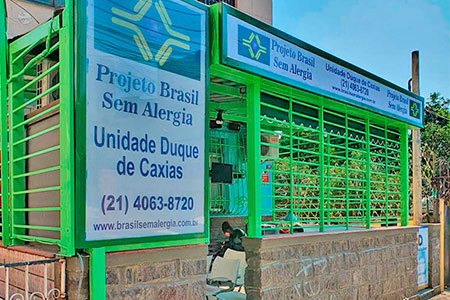
    O que é o projeto Brasil Sem Alergia? O Projeto Brasil Sem Alergia consolidou sua trajetória de cuidado e inclusão social em 2007, quando os médicos alergistas e imunologistas Dr. Marcello Bossois e Dra. Patrícia Schlinkert iniciaram um trabalho voluntário em Duque de Caxias , no Rio de Janeiro , para auxiliar a população afetada pela fuligem da Refinaria Reduc. O que nasceu como uma ação emergencial e temporária tornou-se um projeto permanente e de utilidade pública, reconhecido pela Lei Municipal 3393 de 2024. Com mais de 700 mil atendimentos realizados, o projeto expande agora suas fronteiras com a inauguração da nova unidade em São Paulo, no bairro do Campo Limpo, Zona Sul da capital, reafirmando seu compromisso de levar saúde a quem mais precisa. Através de uma atuação que complementa o SUS, o Brasil Sem Alergia oferece consulta com Alergista e teste alérgico gratuito 🆓 para identificar patologias como rinite, asma 🌬️, bronquite 🫁, dermatite atópica, sinusite, urticária, hipersensibilidade alimentar, prurigo estrófulo (alergia a picadas de insetos 🦟), otite e conjuntivite alérgicas. O atendimento especializado conta com alergistas infantis e adultos e oferece vacinas para alergia a preços populares com o suporte da ABBAA. Além da nova unidade no Campo Limpo, o projeto está presente no Rio de Janeiro em Duque de Caxias , Realengo, Nova Iguaçu (prédio da Cruz Vermelha), Niterói, São Gonçalo , Maricá , Itaguaí , Xerém e Iguaba , além de Curitiba no Paraná, contando ainda com ônibus itinerantes nacionais e frentes na África e nos Estados Unidos. Priorizando a inclusão social, o projeto foca o atendimento gratuito naqueles que mais necessitam. Para agendar sua consulta com Alergista e realizar seu teste alérgico gratuito, entre em contato pelos telefones: Rio de Janeiro ☎️ +55 (21) 4063-8720, São Paulo ☎️ (11) 4210-1437, Curitiba ☎️ +55 (41) 3542-1838 ou pelo WhatsApp 📲 +55 (21) 96894-0923, obtendo localizações detalhadas e o link para o mapa do Campo Limpo através do site oficial https://www.brasilsemalergia.com.br/. Read More
  • Como o Projeto Brasil Sem Alergia foi criado? +

    Como o Projeto Brasil Sem Alergia foi criado? O Projeto Brasil Sem Alergia consolidou sua trajetória de cuidado e inclusão social em 2007, quando os médicos alergistas e imunologistas Dr. Marcello Bossois e Dra. Patrícia Schlinkert iniciaram um trabalho voluntário em Duque de Caxias , no Rio de Janeiro , para auxiliar a população afetada pela fuligem da Refinaria Reduc. O que nasceu como uma ação emergencial e temporária tornou-se um projeto permanente e de utilidade pública, reconhecido pela Lei Municipal 3393 de 25 de março de 2024. Com mais de 700 mil atendimentos realizados, o projeto expande agora suas fronteiras com a inauguração da nova unidade em São Paulo, no bairro do Campo Limpo, Zona Sul da capital, reafirmando seu compromisso de levar saúde e qualidade de vida a quem mais precisa. Através de uma atuação que complementa o SUS e sistemas de saúde internacionais, o Brasil Sem Alergia oferece consultas e testes alérgicos gratuitos para identificar patologias como rinite, asma, bronquite, dermatite atópica, sinusite, urticária, hipersensibilidade alimentar, prurigo estrófulo, otite e conjuntivite alérgicas. O atendimento especializado conta com alergistas infantis e adultos e oferece vacinas para alergia a preços populares com o suporte da Associação Brasileira Beneficente de Apoio ao Alérgico, a ABBAA. Além da nova unidade no Campo Limpo, o projeto está presente no Rio de Janeiro em Duque de Caxias , Realengo, Nova Iguaçu , Itaguaí , Xerém, Niterói e Iguaba , além de Curitiba no Paraná, contando ainda com ônibus itinerantes que atendem todo o Brasil e frentes de atuação internacional na África e nos Estados Unidos. Priorizando a inclusão social, o projeto encoraja pacientes com planos de saúde a utilizarem suas redes conveniadas para que o atendimento gratuito e social seja focado naqueles que mais necessitam. Para agendar sua consulta e realizar o teste alérgico gratuito, os pacientes podem entrar em contato pelos telefones no Rio de Janeiro (21) 4063-8720, em São Paulo (11) 4210-1437, em Curitiba (41) 3542-1838 ou pelo WhatsApp (21) 96894-0923, obtendo todas as informações e localizações detalhadas através do site oficial brasilsemalergia.com.br Read More
  • O Projeto Brasil Sem Alergia oferece testes gratuitos? +

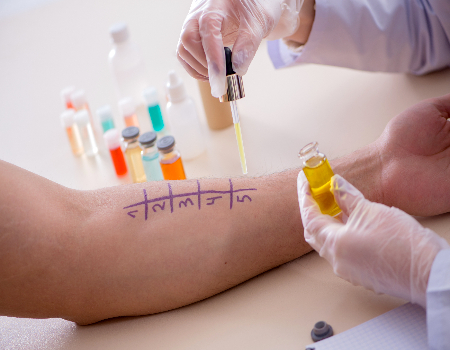
    O Projeto Brasil Sem Alergia oferece testes gratuitos? O Projeto Brasil Sem Alergia consolidou sua trajetória de cuidado e inclusão social em 2007, quando os médicos alergistas e imunologistas Dr. Marcello Bossois e Dra. Patrícia Schlinkert iniciaram um trabalho voluntário em Duque de Caxias , no Rio de Janeiro , para auxiliar a população afetada pela fuligem da Refinaria Reduc. O que nasceu como uma ação emergencial e temporária tornou-se um projeto permanente e de utilidade pública, reconhecido pela Lei Municipal 3393 de 2024. Com mais de 700 mil atendimentos realizados, o projeto expande agora suas fronteiras com a inauguração da nova unidade em São Paulo, no bairro do Campo Limpo, Zona Sul da capital, reafirmando seu compromisso de levar saúde a quem mais precisa. Através de uma atuação que complementa o SUS, o Brasil Sem Alergia oferece consulta com Alergista e teste alérgico gratuito 🆓 e não gratuito para diversas patologias. Realizamos testes para detectar alergias que causam dermatite atópica, asma 🌬️, bronquite 🫁, rinite e prurigo estrófulo (alergia a picadas de insetos 🦟), incluindo testes específicos para poeira, pelo de animais, alimentos e mosquitos. O atendimento especializado conta com alergistas infantis e adultos e oferece vacinas para alergia a preços populares com o suporte da ABBAA. Além da nova unidade no Campo Limpo, o projeto está presente no Rio de Janeiro em Duque de Caxias , Realengo, Nova Iguaçu (prédio da Cruz Vermelha), Niterói, São Gonçalo , Maricá , Itaguaí , Xerém e Iguaba , além de Curitiba no Paraná, contando ainda com ônibus itinerantes nacionais e frentes na África e nos Estados Unidos. Priorizando a inclusão social, o projeto foca o atendimento gratuito naqueles que mais necessitam. Para agendar sua consulta com Alergista e realizar seu teste alérgico , entre em contato pelos telefones: Rio de Janeiro ☎️ +55 (21) 4063-8720, São Paulo ☎️ (11) 4210-1437, Curitiba ☎️ +55 (41) 3542-1838 ou pelo WhatsApp 📲 +55 (21) 96894-0923, obtendo localizações detalhadas e o link para o mapa do Campo Limpo através do site oficial https://www.brasilsemalergia.com.br/. Read More

  • O Projeto Brasil Sem Alergia oferece consultas gratuitas? +

    O Projeto Brasil Sem Alergia oferece consultas gratuitas? O atendimento especializado do Brasil Sem Alergia foca no diagnóstico preciso e no tratamento acessível de patologias como dermatite atópica, asma 🌬️, bronquite 🫁, rinite e prurigo estrófulo (alergia a picadas de insetos 🦟). Nossa nova unidade no Campo Limpo, em São Paulo, segue o padrão de excelência da rede, oferecendo testes para detectar alergias causadas por poeira, pelo de animais e alimentos. Como um projeto de inclusão social que complementa o SUS, oferecemos testes e tratamentos gratuitos e não gratuitos, contando com o suporte fundamental da ABBAA para viabilizar vacinas para alergia a preços populares. Priorizamos o atendimento gratuito para quem mais necessita, encorajando pacientes com convênio a utilizarem suas redes próprias. Agende seu teste alérgico gratuito 🆓 entrando em contato pelos telefones de São Paulo ☎️ (11) 4210-1437, Rio de Janeiro ☎️ (21) 4063-8720 ou Curitiba ☎️ (41) 3542-1838. Você também pode acessar o mapa da nova unidade Campo Limpo em [link suspeito removido] ou obter mais detalhes no site oficial da instituição.Opção 3: Foco em Expansão e Impacto Global (Ideal para "Home")Reconhecido internacionalmente por suas ações na África e Estados Unidos, o Projeto Social Brasil Sem Alergia expande sua rede de proteção à saúde com a chegada ao Campo Limpo, na Zona Sul de São Paulo. Com a marca de 700 mil atendimentos, nossa estrutura utiliza clínicas fixas e ônibus itinerantes para levar consulta com Alergista e testes alérgicos a diversas regiões, incluindo Curitiba , Niterói, São Gonçalo , Maricá , Itaguaí e a Baixada Fluminense. Somos uma organização sem fins lucrativos que busca democratizar o acesso à Vacina para alergia e tratamentos especializados para sinusite, otite e conjuntivite alérgica. Atuando em conformidade com as normas éticas e legais, nossa equipe médica prioriza a inclusão social e o bem-estar global. Para agendar atendimentos em São Paulo ☎️ (11) 4210-1437, Rio de Janeiro ☎️ (21) 4063-8720 ou via WhatsApp 📲 (21) 96894-0923. Acesse o site https://www.brasilsemalergia.com.br/ para localizar a unidade mais próxima de você e iniciar seu tratamento com uma equipe que é referência em saúde alérgica desde 2007. Read More
  • O Projeto Brasil Sem Alergia oferece as vacinas e remédios gratuitos? +

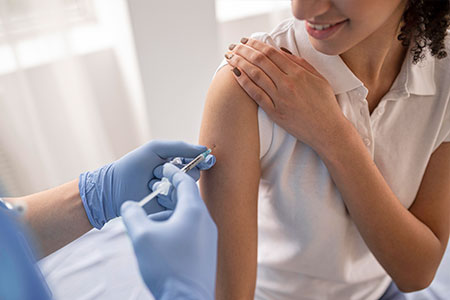
    O Projeto Brasil Sem Alergia oferece as vacinas e remédios gratuitos? Proteja-se com Vacinas no Projeto Brasil Sem Alergia!As vacinas são uma forma segura e eficaz de prevenir doenças como gripe , febre amarela 🟡, meningite , pneumonia 🫁 e diversas alergias! O Projeto Brasil Sem Alergia oferece algumas vacinas e medicamentos gratuitos, em campanhas e com patrocínio, para ajudar você a ter mais saúde e qualidade de vida.Nossas UnidadesRio de Janeiro: Duque de Caxias , Nova Iguaçu , Realengo, Itaguaí , Iguaba Grande (Cruz Vermelha) e Xerém.Paraná: Curitiba .🩺 Nossos ServiçosOferecemos vacinas para:Bronquite 🫁RiniteAsmaDermatite atópicaCandidíaseAgende sua Consulta! Telefone RJ +55 (21) 4063-8720 e SP 11 4210-1437 ☎️WhatsApp: +55 (21) 96894-0923 Telefone (Curitiba ): +55 (41) 3542-1838 ☎️Encontre Nossas Unidades Visite nosso site para os endereços completos: https://www.brasilsemalergia.com.br/ Read More
  • Porque foi criado o Projeto Brasil Sem Alergia? +

    Porque foi criado o Projeto Brasil Sem Alergia? Para esta variação, o foco é a narrativa histórica e humanizada, detalhando a origem voluntária do projeto na Baixada Fluminense e sua evolução até a chegada à capital paulista. O texto está em formato corrido, otimizado para SEO e com a inclusão da unidade Campo Limpo e seus respectivos contatos.O Projeto Brasil Sem Alergia 🇧🇷❤️ é o resultado de uma trajetória de cuidado e inclusão iniciada em 2007, quando o Dr. Marcello Bossois, médico Alergista e imunologista em Duque de Caxias , iniciou um trabalho voluntário em uma associação comunitária na Baixada Fluminense. O que nasceu como um apoio temporário aos moradores locais, afetados pela alta incidência de alergias causada pela fuligem da refinaria da região, tornou-se um projeto permanente devido à imensa demanda social. Com a chegada da Dra. Patrícia Schlinkert, também médica Alergista em Duque de Caxias , a iniciativa se fortaleceu, transformando-se em um órgão de utilidade pública que já realizou mais de 700 mil atendimentos. Hoje, o projeto expande esse legado para São Paulo, com a nova unidade no bairro do Campo Limpo, Zona Sul da capital, reforçando sua missão de democratizar o acesso à saúde. Oferecemos atendimento médico especializado e testes alérgicos gratuitos 🆓 e não gratuitos para condições como dermatite atópica, asma 🌬️, bronquite 🫁, rinite e prurigo estrófulo (alergia a picadas de insetos 🦟). Complementando o trabalho do SUS, o Brasil Sem Alergia oferece ainda vacinas para alergia a preços populares com o suporte da ABBAA. Além da nova unidade Campo Limpo, o projeto mantém unidades no Rio de Janeiro (Duque de Caxias , Nova Iguaçu , Realengo, Itaguaí , Xerém, Niterói, São Gonçalo , Maricá e Iguaba Grande) e no Paraná (Curitiba ), além de ônibus itinerantes e atuação internacional. Para agendar sua consulta com Alergista , entre em contato pelos telefones: São Paulo ☎️ (11) 4210-1437, Rio de Janeiro ☎️ (21) 4063-8720, Curitiba ☎️ (41) 3542-1838 ou via WhatsApp 📲 (21) 96894-0923. Confira as localizações detalhadas, incluindo o mapa do Campo Limpo [link, no site oficial https://www.brasilsemalergia.com.br/. Read More
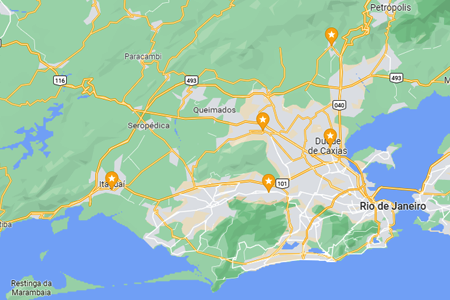
  • Onde o Projeto Brasil Sem Alergia está localizado? +

    Onde o Projeto Brasil Sem Alergia está localizado? O Projeto Brasil Sem Alergia consolida sua presença nacional e expande seu alcance com unidades fixas no Rio de Janeiro , Paraná e, agora, na capital de São Paulo, no bairro do Campo Limpo, Zona Sul. Além das clínicas físicas, o projeto conta com uma Unidade Móvel estratégica que leva atendimento médico especializado e testes alérgicos gratuitos 🆓 a diversas cidades, facilitando o acesso à saúde em regiões remotas. Com mais de 700 mil atendimentos realizados desde 2007 sob a coordenação do Dr. Marcello Bossois e da Dra. Patrícia Schlinkert, a iniciativa atua de forma complementar ao SUS, oferecendo suporte no diagnóstico e tratamento de dermatite atópica, asma 🌬️, bronquite 🫁, rinite e prurigo estrófulo (alergia a picadas de insetos 🦟). A nova unidade Campo Limpo em SP chega para reforçar esse compromisso, oferecendo consulta com Alergista e testes para identificar gatilhos alérgicos. O projeto também disponibiliza vacinas para alergia a preços populares com o suporte da ABBAA, garantindo a continuidade do tratamento. No Rio de Janeiro , as unidades fixas atendem em Duque de Caxias , Nova Iguaçu (Cruz Vermelha), Realengo, Itaguaí , Iguaba Grande, Xerém e Niterói, enquanto no Paraná o atendimento é realizado em Curitiba . Priorizando a inclusão social, o Brasil Sem Alergia foca seus esforços em quem mais necessita, contando com atuação internacional e clínicas móveis. Para agendar sua consulta com Alergista e realizar seu teste alérgico , entre em contato pelos telefones: São Paulo ☎️ (11) 4210-1437, Rio de Janeiro ☎️ (21) 4063-8720, Curitiba ☎️ (41) 3542-1838 ou pelo WhatsApp 📲 (21) 96894-0923. Você pode consultar a disponibilidade da unidade móvel em sua região, ver o mapa da unidade Campo Limpo e encontrar todos os endereços completos no site oficial https://www.brasilsemalergia.com.br/. Read More
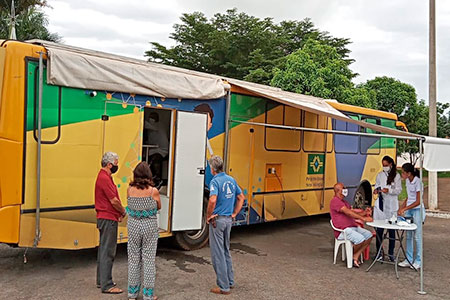
  • Será que minha cidade terá chance de ser atendida pelo projeto Brasil Sem Alergia? +

    Será que minha cidade terá chance de ser atendida pelo projeto Brasil Sem Alergia? O Projeto Brasil Sem Alergia reforça sua missão de inclusão social através de sua unidade móvel e itinerante, que percorre diversas regiões para levar saúde e bem-estar diretamente até a sua comunidade. Com o objetivo de democratizar o acesso ao diagnóstico especializado, nossa clínica móvel oferece consulta com Alergista e testes alérgicos gratuitos 🆓 para identificar patologias como dermatite atópica, asma 🌬️, bronquite 🫁, rinite e prurigo estrófulo (alergia a picadas de insetos 🦟). Esta iniciativa itinerante complementa o trabalho das nossas unidades fixas localizadas no Rio de Janeiro (Duque de Caxias , Nova Iguaçu , Realengo, Itaguaí , Iguaba Grande, Xerém e Niterói), no Paraná (Curitiba ) e a nossa mais nova unidade em São Paulo, no bairro do Campo Limpo, Zona Sul da capital. Atuando de forma complementar ao SUS e com o suporte da ABBAA, o projeto garante que moradores de cidades mais remotas também possam receber tratamento adequado e vacinas para alergia a preços populares. Para descobrir onde nossa unidade móvel está agora, quais serão os próximos destinos ou para agendar um atendimento na nova unidade do Campo Limpo em SP, entre em contato pelos telefones: São Paulo ☎️ (11) 4210-1437, Rio de Janeiro ☎️ (21) 4063-8720 ou via WhatsApp 📲 (21) 96894-0923. Você também pode conferir o mapa da unidade fixa do Campo Limpo e obter mais informações sobre a agenda da unidade itinerante no site oficial https://www.brasilsemalergia.com.br/. Read More

  • 1

Interessou? Siga-nos nas Redes Sociais

Deixe seu like, leia e compartilhe nossos artigos

 
Faça uma doação a ABBAA para que possamos manter nossas atividades de atendimento e tratamento a população carente 
 
pix ABBAA