


How to diagnose pulmonary fibrosis? — What tests should be done?
When symptoms or doubts arise involving How to diagnose Pulmonary FibrosisDistinguishing between scientifically validated information and palliative care makes all the difference in the evolution of respiratory, skin, and systemic health. This page aims to deepen understanding of... "How to diagnose pulmonary fibrosis? — What tests should be done?", providing clear context on how the immune system reacts, which signs require medical attention, and how to structure individualized and effective care.
✔ Medical content reviewed and validated by the founding clinical staff of the Brazil Without Allergies Project
Dr. Marcello Bossois (CRM-RJ 52.73214-1) · Dr. Patricia Schlinkert (CRM/RJ 5274541-3) — more than 30 years of history in Allergy and Immunology, with units in Rio de Janeiro, São Paulo and Paraná. Last reviewed: November 2026.
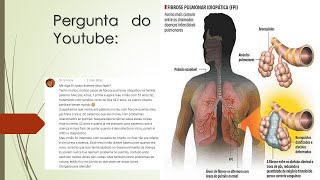
How to diagnose pulmonary fibrosis and the importance of early investigation.
Pulmonary fibrosis is a complex respiratory condition that causes great concern, especially in families with a history of the disease. Reports of successive cases among blood relatives reinforce the need for heightened medical attention, as some forms of the disease may have a significant genetic or familial component. Patients living with this condition frequently seek guidance on how to protect themselves, undergo preventive examinations, and identify early warning signs.
Distinguishing respiratory symptoms from other conditions, such as back pain resulting from spinal problems, is a common challenge. Often, pulmonary manifestations can be confused with other pathologies or go unnoticed in the initial stages. Furthermore, medical histories, such as previous episodes of tuberculosis, require careful clinical monitoring to assess the health of the lung parenchyma over time.
Essential tests and the role of the pulmonologist.
Diagnosis and prevention of pulmonary fibrosis are not simple and depend on a specialized medical evaluation. For patients with a significant family history, the recommended initial management involves:
- Consultation with a pulmonologist: The specialist is the professional trained to thoroughly analyze the clinical and family history, contextualizing the risks and defining the best monitoring strategy.
- Chest computed tomography (CT) scan: It is the primary imaging test used to assess the health of the lung parenchyma and identify early changes characteristic of fibrosis.
- Risk and benefit assessment: Although CT scans emit radiation, a strong family history of CT scans leads doctors to weigh the need for periodic examinations, with early diagnosis being far more beneficial than omitting the investigation.
From the moment there is an early diagnosis and rigorous follow-up, it is possible to adequately control the disease and provide the patient with a better quality of life. This content is for educational and informational purposes only and does not, under any circumstances, replace consultation, diagnosis, and individualized evaluation with a specialist physician.
Developments in Evidence-Based Medicine: Differential Diagnosis between Food Allergy and Intolerances
The international guidelines on Food Allergy and Gastroenterology (EAACI/ASBAI) emphasize the precise pathophysiological distinction between immune-mediated food allergy — directed against specific protein fractions in food (such as casein, alpha-lactalbumin, and beta-lactoglobulin in cow's milk protein allergy; ovomucoid in eggs; or tropomyosin in crustaceans), which may be IgE-mediated (risk of immediate anaphylaxis), non-IgE-mediated, or mixed (as in eosinophilic esophagitis and allergic proctocolitis) — and enzymatic or fermentative food intolerances (such as hypolactasia/lactose intolerance and visceral hypersensitivity to fermentable carbohydrates FODMAPs), which do not involve an immune response or anaphylactic risk. The gold standard diagnosis relies on clinical history, specific IgE for molecular components (Component-Resolved Diagnostics), skin tests and, when indicated, oral provocation test (OPT) supervised, avoiding unnecessary restrictive diets.
💎 Diamond Plan — Well-controlled asthma shouldn't require frequent trips to the emergency room. Speak with an Allergy and Immunology specialist via teleconsultation, from anywhere in Brazil. Schedule a teleconsultation →
Note: Subject to prior medical evaluation (in person or via telemetry/telemedicine). Immunotherapy uses allergen-specific vaccines, which requires a prescription from the attending physician and must be administered under direct medical supervision.
Control of Bronchial Inflammation, Lung Function, and Prevention of Remodeling
Lower Airway Hyperreactivity and the Role of Inhalation Therapy
Bronchial asthma and allergic bronchitis are chronic inflammatory diseases of the lower airways, characterized by bronchial hyperreactivity, mucosal edema, mucus hypersecretion, and variable obstruction to expiratory airflow. When eosinophilic or allergic inflammation (type 2) remains uncontrolled over the years—or when the patient uses only short-term bronchodilators without treating the underlying inflammation—thickening of the basement membrane and hypertrophy of the bronchial smooth muscle occur, a process known as bronchial remodeling.
Inhalation Technique, Environmental Control and Respiratory Immunotherapy
The integration between environmental control of household dust, adherence to the prescribed preventive plan, and implementation of allergy test allows you to customize the asthma treatmentIn the presence of proven IgE sensitization, the asthma vaccine It acts on the immunological cause of respiratory hyper-reactivity, while cases of severe refractory asthma now have access to highly precise immunobiological drugs.
Immediate Reactions, Delayed Drug Reactions, and Risks of Self-Medication
Another critical pharmacovigilance point concerns the indiscriminate use of long-acting oral or injectable systemic corticosteroids (such as intramuscular betamethasone combinations). Although they provide apparent rapid relief, repeated applications suppress the hypothalamic-pituitary-adrenal axis, raise blood pressure and blood glucose, demineralize bone mass, weaken immunity against infections, and can cause local neuropathic pain when improperly applied to the gluteal region.
Clinical Safety Criteria and Warning Signs in Allergology
Early recognition of warning signs requiring priority medical reassessment is part of the health education of every patient and their family. Symptoms such as progressive dyspnea (difficulty breathing or speaking in complete sentences), refractory wheezing, sudden edema of the lips, tongue, or glottis, dizziness due to a drop in blood pressure, persistent fever associated with skin lesions or mucous membrane involvement require immediate emergency care, followed by a structured allergy investigation to prevent future recurrences.
Impact on Quality of Life, Sleep, and Systemic Well-being
Beyond the direct physical manifestations, uncontrolled conditions linked to pulmonary fibrosis profoundly interfere with restorative sleep, concentration at school and work, and emotional balance. Chronic stress, through neuroendocrine mediators and epithelial alarmins, feeds back into the immune inflammatory response. Therefore, instituting a comprehensive approach to clinical and environmental rehabilitation restores daily autonomy and overall well-being.
Importance of Differential Diagnosis and Detailed Medical History
In the specialty of Allergy and Immunology, two patients with seemingly similar symptoms involving Pulmonary Fibrosis may present completely distinct pathophysiological mechanisms. For this reason, a thorough clinical history—investigating the chronology of crises, home and work environment, family history of atopy, use of concomitant medications, and dietary habits—serves as an indispensable compass for correctly interpreting laboratory tests (such as total and specific IgE levels) and functional tests. A single laboratory result never replaces in-person clinical judgment or specialized telemedicine, preventing misdiagnoses and unnecessary treatments.
Environmental Prevention, Therapeutic Adherence, and Continuous Monitoring
Long-term success in managing allergic and immunological conditions depends directly on the alliance between targeted medical treatment and daily educational measures. Maintaining well-ventilated environments free from accumulated household dust, preserving the physiological hydration of mucous membranes and the skin barrier, strictly adhering to the schedules and technique for using prescribed preventive medications, and conducting periodic check-ups allow for the stabilization of subclinical inflammation before it progresses to acute exacerbations.
Frequently Asked Questions in Clinical Practice
Immunological Reactions to Insect Bites and Prevention of Crises: Reactions triggered by arthropods are clinically divided between hypersensitivity to the saliva of hematophagous insects (such as mosquitoes, black flies, and fleas, which cause papular urticaria in childhood) and systemic allergy to the venom of hymenoptera (bees, wasps, and fire ants). While salivary antigens usually generate persistent pruritic papules and a risk of secondary bacterial infection from scratching, venom injected by a stinger can trigger massive mast cell degranulation mediated by IgE antibodies, requiring evaluation of baseline serum tryptase and an emergency action plan.
Diamond Plan: Specialized Allergy Treatment Wherever You Are
We know that, for many families, allergy treatment faces two concrete obstacles: high cost of allergy vaccines and the distance to a specialized centerThe Diamond Plan It was created precisely to remove these barriers, combining teleconsultation with specialists and easy access to immunotherapy throughout the country. Well-controlled asthma should not depend on frequent trips to the emergency room.
Why do patients across Brazil choose the Diamond Plan?
- Teleconsultation with a specialist In Allergy and Immunology, without queues and without long commutes — ideal for those who live far from large cities.
- easy access to Immunotherapy (including allergy vaccines and immunostimulants) — indicated for the treatment of allergic rhinitis, asthma, bronchitis, atopic dermatitis, insect/mosquito bite allergy (prurigo strophulus), recurrent candidiasis, and for increasing immunity in selected patients — capable of modifying the natural course of allergic disease, always through consultation and individualized prescription.
- A more accessible route For those facing the high cost of allergy vaccines, this plan offers support for continuity of treatment.
- Continuous monitoring based on clinical evolution, with adjustments to treatment throughout the entire therapeutic cycle.
- National coverage, backed by a consolidated physical network and a founding clinical team with over three decades of experience.
More than 30 years caring for people with allergies.
Founded and run by Dr. Marcello Bossois (CRM-RJ 52.73214-1) and by Dr. Patrícia Schlinkert (CRM/RJ 5274541-3)The Brazil Without Allergies Project adds... more than 30 years of history and more than 450,000 free services, with physical presence at Rio de Janeiro, São Paulo and Paraná, one mobile clinic bus that brings testing and consultations to communities with limited access to specialized care and a platform of telemedicine which connects patients from all states to the same standard of care.
START TODAY
Your expert consultation is just a click away.
I want to join the Diamond Plan.Schedule a teleconsultation
Official telemedicine environment: brasilsemalergia.online
Do you prefer to be served in person?
Our clinical units They conduct consultations, allergy tests, and immunotherapy follow-up with doctors in person:
- Rio de Janeiro: Realengo (West Zone), North Zone, Duke of Caxias, Xerém, New Iguaçu, Itaguaí, Niterói, Iguaba Grande and Saint Peter of the Village (Lakes Region).
- São Paulo: Campo Limpo (South Zone).
- Paraná: Curitiba.
Schedule your in-person appointment. Or check the mobile bus schedule through the customer service center on WhatsApp. (21) 99954-5632.
The indication for immunotherapy, and for any treatment, depends on an individual medical evaluation. This content is for informational purposes only and does not replace consultation with a specialist.
Note: Subject to prior medical evaluation (in person or via telemetry/telemedicine). Immunotherapy uses allergen-specific vaccines, which requires a prescription from the attending physician and must be administered under direct medical supervision.
Conclusion and Summary of Guidelines
In summary, the appropriate approach to How to diagnose Pulmonary Fibrosis It requires a clear understanding of the immunological mechanisms involved, precise etiological diagnosis, and individualized medical follow-up. Avoiding self-medication and investigating the root cause of symptoms—relying on specialized resources and reliable guidance such as specialized allergy and immunology care when clinically relevant—is the safest way to control flare-ups, prevent complications, and ensure sustainable quality of life.
Scientific references and authoritative sources
The guidelines on this page follow the guidelines and literature of leading international Allergy and Immunology institutions. For further information:


